
The TFI 3000 Series is a high-strength woven geotextile manufactured from high-tenacity, high-molecular-weight multifilament polyester yarns. It is designed for demanding geotechnical applications where tensile reinforcement, resistance to creep, and dimensional stability under sustained loading are important.
The series can be considered for soil reinforcement, ground stabilization, filtration and separation, and selected coastal or hydraulic applications. The appropriate product grade and system design depend on the project’s soil conditions, loads, water-flow requirements, installation details, and technical specifications.
Features
Solutions
Success Stories
Resources
High tensile strength
Designed for geotechnical applications requiring substantial tensile reinforcement.
Creep resistance
Helps manage time-dependent deformation under sustained loading; product-specific design values should be confirmed in the technical data sheet.
Long-term design strength
Supports reinforcement design over the intended service life when selected and designed using applicable product data.
High-tenacity polyester yarns
Manufactured from multifilament polyester yarns with high tenacity and high molecular weight, as stated in the product information.
Low elongation characteristics
The source identifies low elongation as a feature intended to limit deformation under load; verify the relevant test data for the selected grade.
Durability
Designed for sustained geotechnical loading. Suitability for specific soil, chemical, moisture, and environmental conditions should be verified against product documentation.
In soil reinforcement applications, the woven geotextile provides tensile resistance within the reinforced soil system. Its contribution depends on the tensile properties of the selected grade, the surrounding soil, how the reinforcement is installed, and the way loads are transferred through the structure.
For filtration and separation, the fabric must be selected to meet the project’s soil-retention and water-flow requirements. Confirm the intended function and the relevant properties in the technical data sheet before specifying the product.
Advanced woven geotextile solutions for transportation, hydraulic, and environmental engineering applications.
TFI 3000 Series can be considered where a woven geotextile is required to help separate soil layers while allowing water to pass through. The product grade must be compatible with the soil gradation and the hydraulic requirements of the system.
Applications
The high tensile strength and creep-resistance characteristics described for the TFI 3000 Series make it a candidate for engineered soil reinforcement. Product selection should account for the loads, soil conditions, deformation limits, and required long-term design strength.
Applications
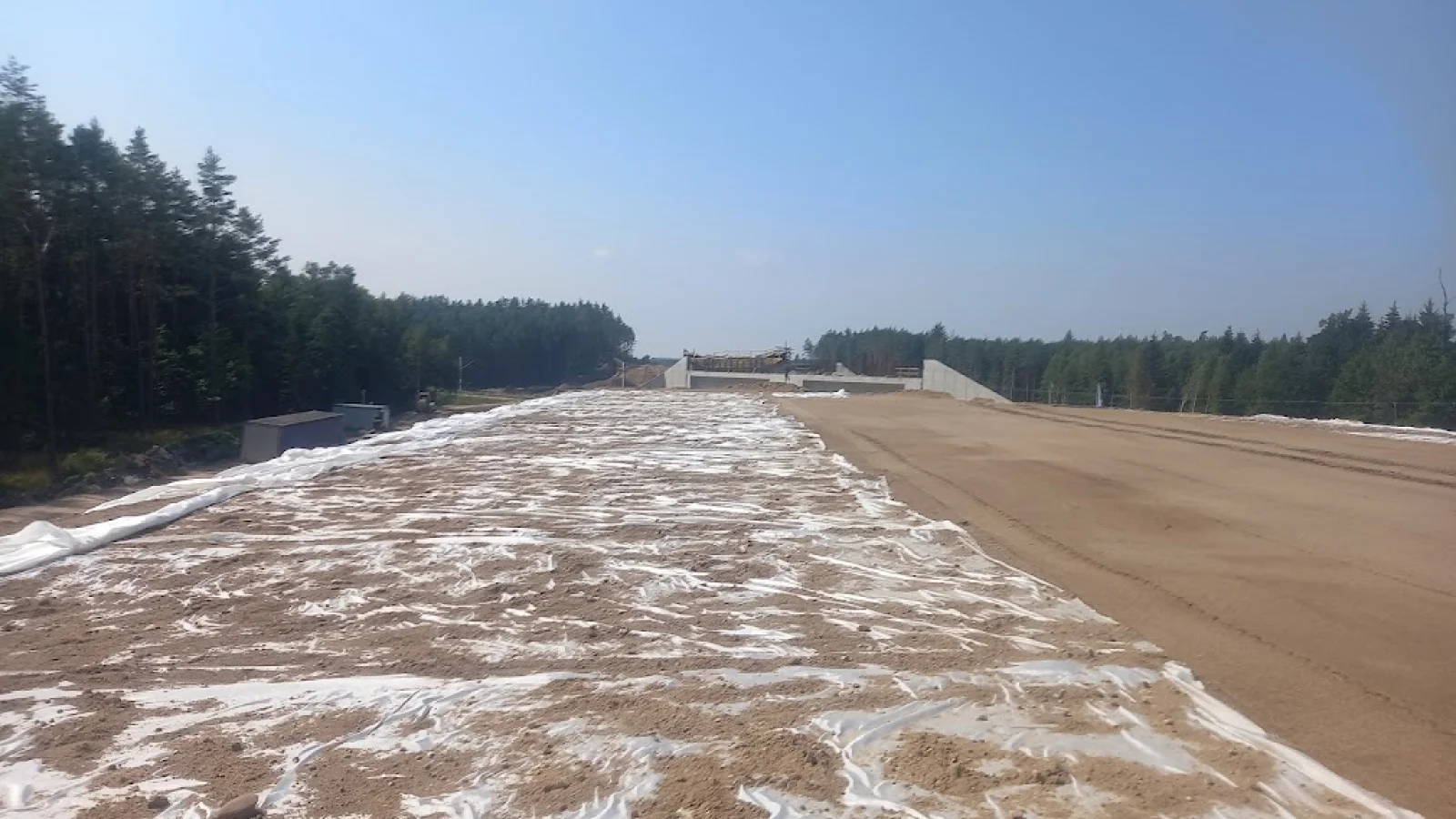
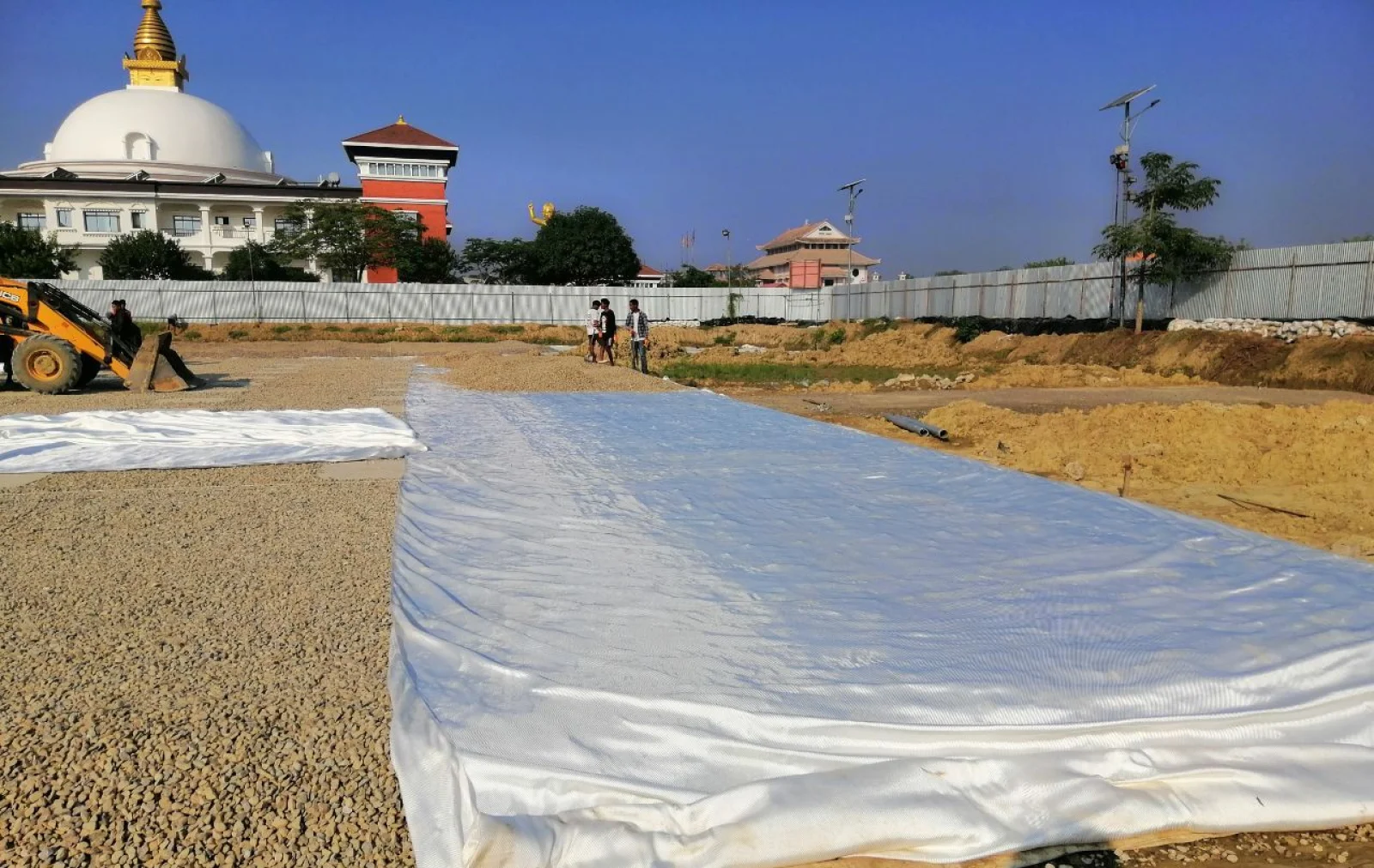
For working platforms and other construction areas over weak or variable ground, woven geotextile reinforcement may be included as part of an engineered ground improvement system. Performance depends on subgrade strength, the overlying materials, loading, and the overall design.
Applications
In selected hydraulic structures, geotextiles can provide filtration and soil retention beneath protective layers. The textile and system must be designed for the soil, flow conditions, hydraulic loads, and installation requirements of the project.
Applications
 European Conformity (CE)
 ISO 9001
 Geosynthetic Accreditation Institute (GAI-LAP)
 National Accreditation Board for Testing and Calibration Laboratories (NABL)

Provide the current installation guidance for woven geotextiles, including the handling, placement, overlap, connection, and protection details applicable to the intended use.
Link to relevant installation videos once current, product-appropriate resources are available.
Connect with our engineering team for expert guidance
The TFI 3000 Series is a high-strength woven geotextile made from high-tenacity, high-molecular-weight multifilament polyester yarns. It is intended for geotechnical applications where tensile reinforcement and long-term performance under sustained loading are important.
Creep is the gradual deformation of a material under sustained load over time. Creep resistance is important where reinforcement remains loaded for long periods. The relevant design values should be taken from the current product technical data and used in the project design.
The supplied product information lists filtration and separation, soil reinforcement, ground stabilization, and coastal or hydraulic protection. Examples include embankments, retaining structures, slopes, working platforms, industrial yards, drainage, river training, and canal protection, subject to product suitability and design.
Soil reinforcement in embankments and retaining structures is identified as an application. Suitability depends on the structure’s design, loading, soil properties, reinforcement layout, connections, and required long-term design strength.
Slope reinforcement is listed as an application. The product should be selected only after evaluating slope geometry, soil conditions, groundwater, loading, drainage, and the relevant engineering design requirements.
Filtration and separation are listed functions in the source material. The selected grade must meet the project’s soil-retention and water-flow requirements. Confirm the relevant opening-size and hydraulic properties in the technical data sheet, where available.
Elongation describes how much a material stretches under load. The source identifies low elongation as a product characteristic intended to limit deformation. Confirm the actual elongation values and test conditions for the selected grade before using them in design.
Selection typically requires the intended function, soil properties, loading, geometry of the reinforced structure, allowable deformation, design life, and applicable project specifications. Use the current technical data sheet and project-specific engineering design to confirm the required grade.
Coastal protection, river training, and canal protection are listed applications. The selected product and system must meet the project’s filtration, soil-retention, hydraulic, mechanical, and installation requirements.
No universal suitability should be assumed. Compatibility depends on product properties and site-specific soil, water, chemical exposure, temperature, and loading. Check the approved technical documentation for the intended conditions.
The source describes the series as offering tensile strength, creep resistance, and long-term design strength. Actual structural performance depends on the selected grade, design method, installation quality, and field conditions.
Use the current TFI 3000 Series Polyester Woven Geotextile technical data sheet and approved product literature. Check that the documentation matches the intended series and grade before relying on the stated values.
The product title and primary description identify TFI 3000 Series as a polyester woven geotextile made from multifilament polyester yarns. The source document’s technical-data section mistakenly refers to the TFI 1000 Series polypropylene woven geotextiles; that reference should be corrected before publication.
Confirm the product grade, design properties, subgrade and soil conditions, load requirements, installation details, overlaps or connections, and any project-specific inspection requirements. Follow the approved installation guidance and engineering drawings.