The TFI 1000 Series is a range of woven geotextiles manufactured from polypropylene multifilament yarns. The combination of mechanical strength and hydraulic performance makes the series suitable for geotechnical applications where soil separation, filtration, and reinforcement are important.
The product is designed to help prevent dissimilar soil layers from mixing while allowing water to pass through, retaining soil particles when properly selected for the site conditions. The source product information also identifies tensile strength, durability, and resistance to UV degradation as product characteristics. Confirm the specific grade and its properties against the current technical data sheet before specifying it for a project.
Features
Solutions
Success Stories
Resources
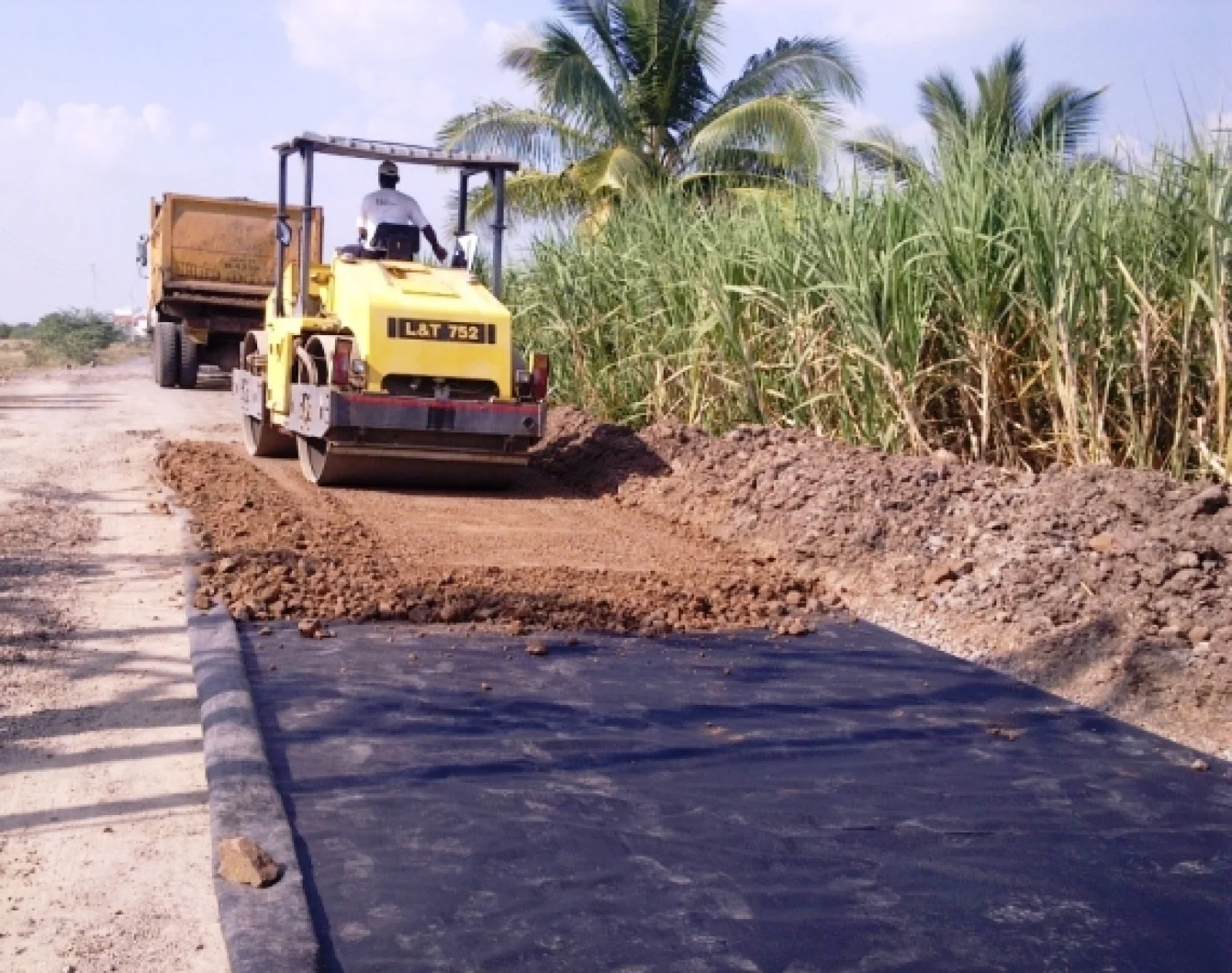
Tensile strength
Provides mechanical strength for geotechnical applications that require separation or reinforcement.
Soil separation
Helps keep dissimilar soil or aggregate layers from mixing, preserving the intended function of each layer.
Filtration
Allows water to pass through while helping retain soil particles when the geotextile is correctly matched to the soil and flow conditions.
Polypropylene multifilament construction
Manufactured from polypropylene multifilament yarns, as described in the source product information.
Durability
Designed for use in civil engineering and infrastructure systems; verify the required performance for the project’s exposure and design life.
UV degradation resistance
The source identifies resistance to UV degradation. Confirm applicable exposure limits and grade-specific data in the product documentation.
Versatile use
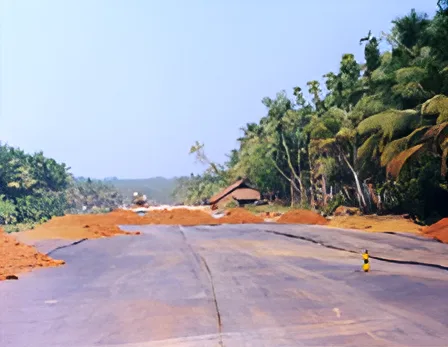
Can be considered for road and railway works, embankments, drainage, ground stabilization, and selected hydraulic applications where its documented properties meet the design needs.
Woven geotextiles are incorporated into soil and aggregate systems to perform specific functions based on their physical and hydraulic properties. In separation applications, the fabric helps limit the intermixing of adjacent layers. In filtration applications, it allows water to pass through while retaining soil particles when its properties are appropriate for the soil gradation and hydraulic conditions.
The TFI 1000 Series may also be considered for reinforcement or ground stabilization where the product’s verified tensile properties and the project design support that use. The correct product grade, placement, overlap, and installation approach should be defined by the project specifications and engineering design.
Advanced woven geotextile solutions for transportation, hydraulic, and environmental engineering applications.
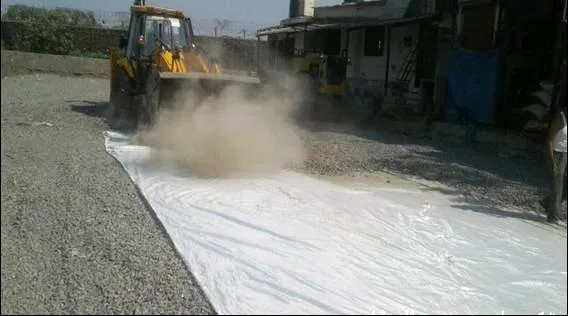
TFI 1000 Series woven geotextile can be used to separate dissimilar soil or aggregate layers while allowing water to pass through. Selection should account for the soil gradation, water flow, and the performance requirements of the surrounding system.
Applications
The source information identifies soil reinforcement as an application. Where the product is considered for reinforcement, its tensile properties and design suitability should be checked against the applied loads, soil conditions, geometry, and required performance of the structure.
Applications
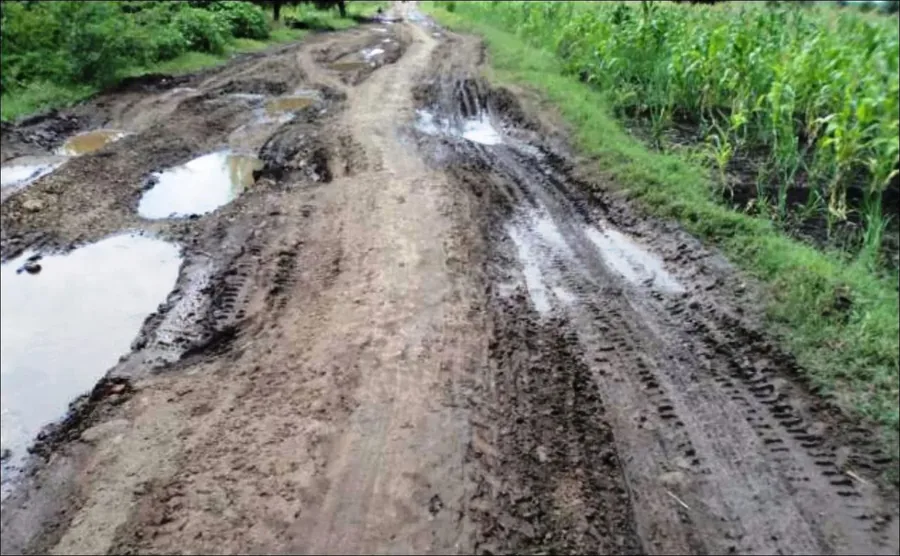
Woven geotextile may be incorporated into engineered ground systems to help separate layers and support load distribution. The suitability of the TFI 1000 Series depends on the subgrade, overlying materials, loading, drainage, and the function required of the product.
Applications
In selected hydraulic applications, a geotextile filter layer can help retain underlying soil while allowing water to pass through. The textile and the complete protection system should be selected for the soil, hydraulic conditions, protective materials, and project-specific requirements.
Applications
 European Conformity (CE)
 ISO 9001
 Bureau of Indian Standards (BIS)
 Geosynthetic Accreditation Institute (GAI-LAP)
 National Accreditation Board for Testing and Calibration Laboratories (NABL)European Conformity (CE)ISO 9001Bureau of Indian Standards (BIS)Geosynthetic Accreditation Institute (GAI-LAP)National Accreditation Board for Testing and Calibration Laboratories (NABL)

Provide the current installation guidance for woven geotextiles, including handling, placement, overlaps, and protection during construction where applicable.
Link to current installation videos that demonstrate practices relevant to the TFI 1000 Series and its intended uses.
Connect with our engineering team for expert guidance
The TFI 1000 Series is a range of woven geotextiles made from polypropylene multifilament yarns. The source product information describes a combination of mechanical strength and hydraulic performance, with applications including separation, filtration, ground stabilization, and selected reinforcement uses.
The product is manufactured from polypropylene multifilament yarns, according to the supplied product information. This distinguishes it from the TFI 3000 Series, which is described in its source material as a polyester woven geotextile.
When installed between dissimilar materials, a suitable geotextile helps limit their intermixing. This helps preserve the intended function of each layer. Performance depends on product selection, site conditions, construction, and installation details.
The geotextile allows water to pass through while helping retain soil particles when its hydraulic properties are compatible with the surrounding soil and expected flow. The required filtration properties should be checked in the technical data sheet and established by the project design.
The supplied source lists roads and highways, railways, drainage, embankments, retaining structures, slope reinforcement, working platforms, industrial yards, infrastructure foundations, coastal protection, river training, and canal protection. Product suitability should be verified for each application.
Roads, highways, and railways are listed applications, particularly for filtration and separation. The geotextile should be selected to match the soil, aggregate, hydraulic conditions, loading, and applicable project specifications.
Embankments and retaining structures are listed under soil reinforcement. Before specifying the product, confirm its tensile properties and suitability for the structure’s geometry, loading, soil conditions, design life, and engineering requirements.
Drainage is listed as an application in the source material. The geotextile may serve as a filter or separator within a drainage system when its flow and soil-retention properties meet the project requirements. It should not be treated as a standalone drain.
UV degradation resistance relates to how well a material retains its properties when exposed to ultraviolet radiation. The source describes the TFI 1000 Series as resistant to UV degradation. Confirm the supporting test data and any limits on exposed duration before burial or installation.
Coastal protection, river training, and canal protection are listed applications. The product must be selected as part of a system designed for the soil, water flow, hydraulic loading, protective layer, and installation conditions.
No single geotextile is suitable for every condition. Selection depends on soil gradation, water-flow demands, loading, installation, and the product’s documented mechanical and hydraulic properties. A qualified project engineer should establish the applicable criteria.
Useful information includes the intended function, soil type and gradation, groundwater and flow conditions, loads, structure geometry, installation details, and project specifications. The selected grade should meet the required tensile and hydraulic properties.
Refer to the current TFI 1000 Series Polypropylene Woven Geotextile technical data sheet and approved product literature. Confirm that the documents match the intended product range and selected grade before using the information for design.
The supplied product information identifies the TFI 1000 Series as a polypropylene multifilament woven geotextile, while the TFI 3000 Series is identified as a polyester multifilament woven geotextile. Their properties and intended design uses should be compared using their respective technical data sheets rather than assuming they are interchangeable.