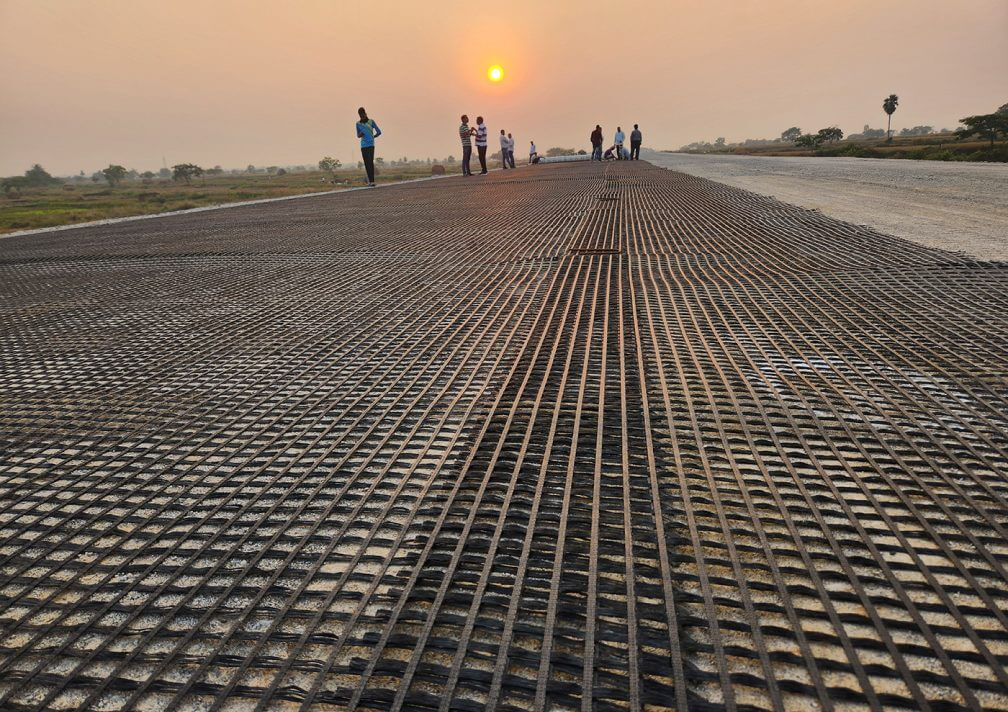
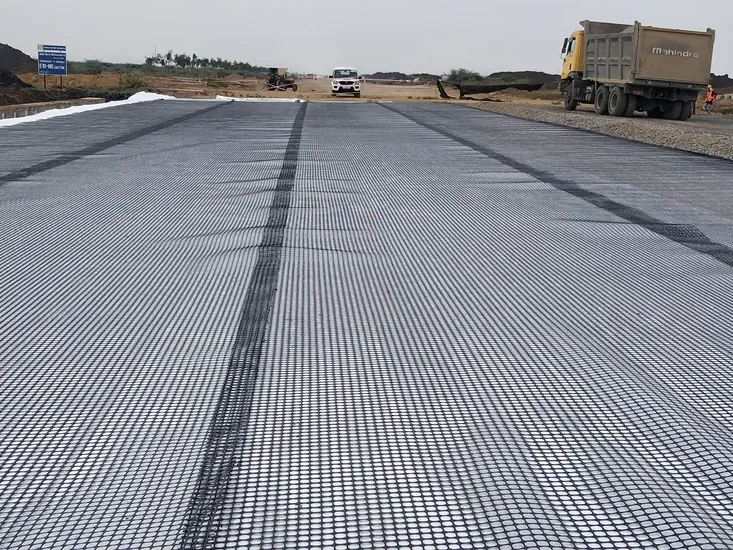
Engineered pavement reinforcement solutions that enhance structural integrity and improve the long-term performance of road networks. By strengthening weak subgrades and optimizing load transfer mechanisms, these systems help pavements withstand repeated traffic loading and challenging ground conditions.
Designed for use in highways, expressways, rural roads, industrial logistics corridors, and heavy-duty operational surfaces where performance and durability are critical.

Overview
Available Systems
Success Stories
Products

Pavement stabilization plays a critical role in enhancing the strength, performance, and service life of road infrastructure under varying traffic and environmental conditions. The integration of advanced geosynthetic materials and engineering techniques helps improve load distribution, reduce deformation, and control subgrade failures.
TechFab offers innovative pavement stabilization solutions designed to improve subgrade strength, minimize maintenance requirements, and extend pavement durability.
These systems are suitable for highways, rural roads, industrial yards, and heavy-duty pavements.
Our engineering expertise ensures optimized design support, material selection, and construction guidance, delivering cost-effective and sustainable solutions for long-term pavement performance and infrastructure reliability.
01

Subgrade Stabilization using geosynthetics enhances the resilient modulus of weak soil layers, resulting in improved pavement performance and extended service life. By reinforcing the foundation layer, it helps optimize pavement thickness while ensuring better load distribution under traffic stresses. This solution is widely used for improving low CBR subgrades, increasing rutting resistance, and minimizing differential settlements in road structures. It enables significant material savings while improving durability and structural efficiency of pavements, delivering benefits such as 30–50% reduction in aggregate thickness, extended pavement service life, lower maintenance requirements, and reduced carbon emissions through optimized construction materials.
02
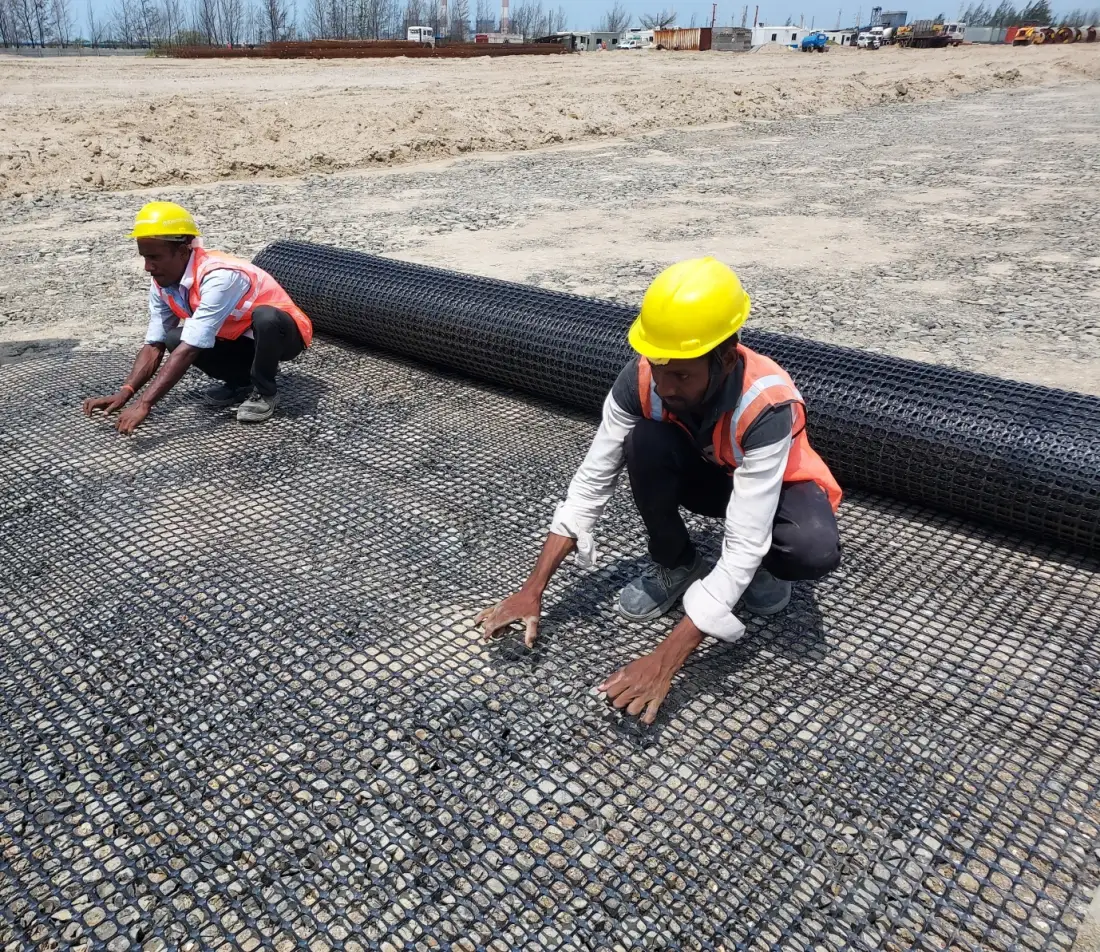
Reinforcement of granular base and subbase layers using geosynthetics improves the resilient modulus and structural integrity of pavement systems. It enhances load distribution, reduces deformation, and optimizes overall pavement thickness requirements, ensuring better performance under heavy traffic conditions. This technique enables effective utilization of marginal aggregates while improving stability and resistance against shear failure and differential settlements. It contributes to longer pavement life, improved serviceability, and more efficient construction practices by reducing material consumption and maintenance needs, ultimately supporting cost-effective and sustainable road infrastructure development.
03
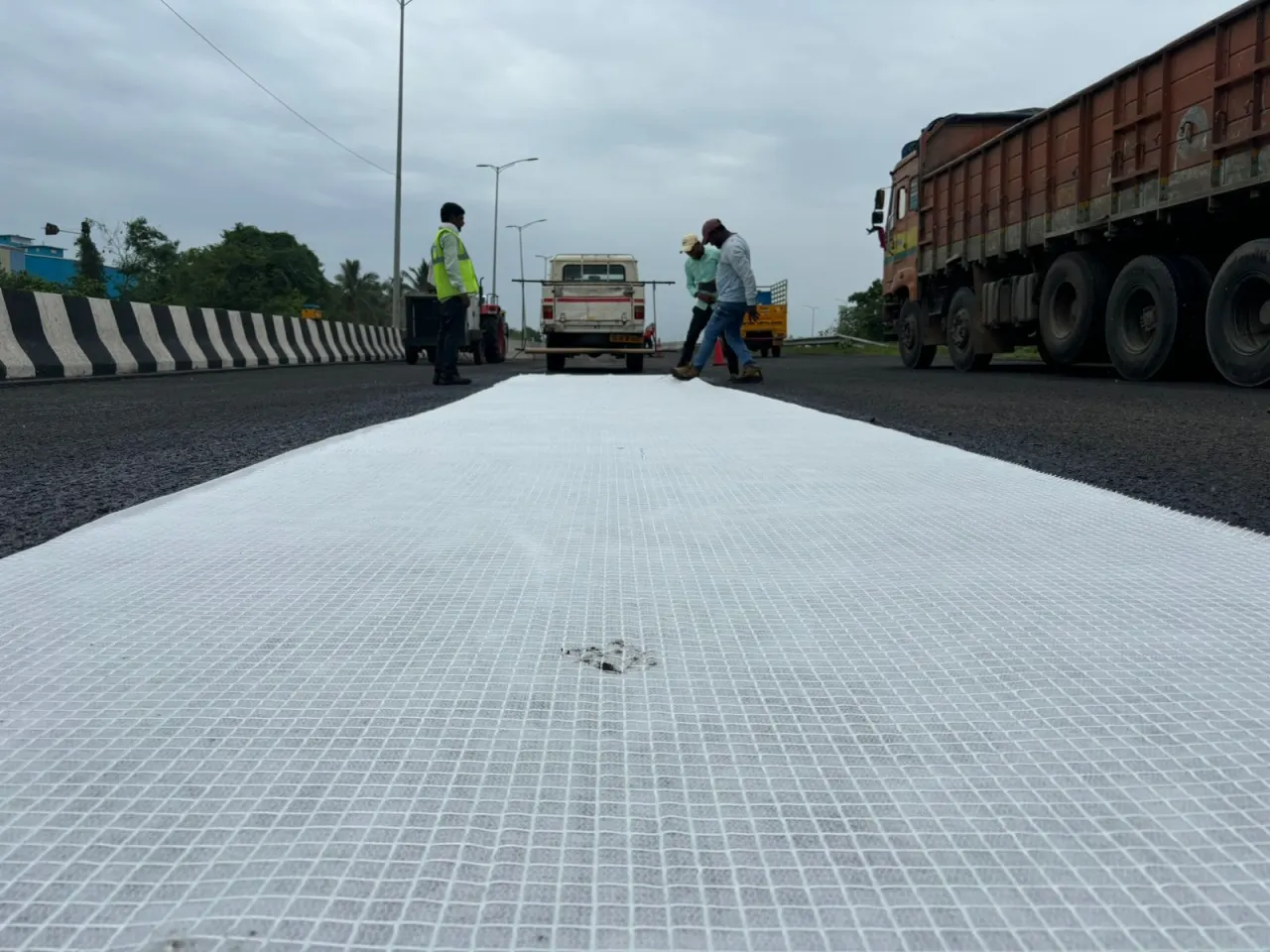
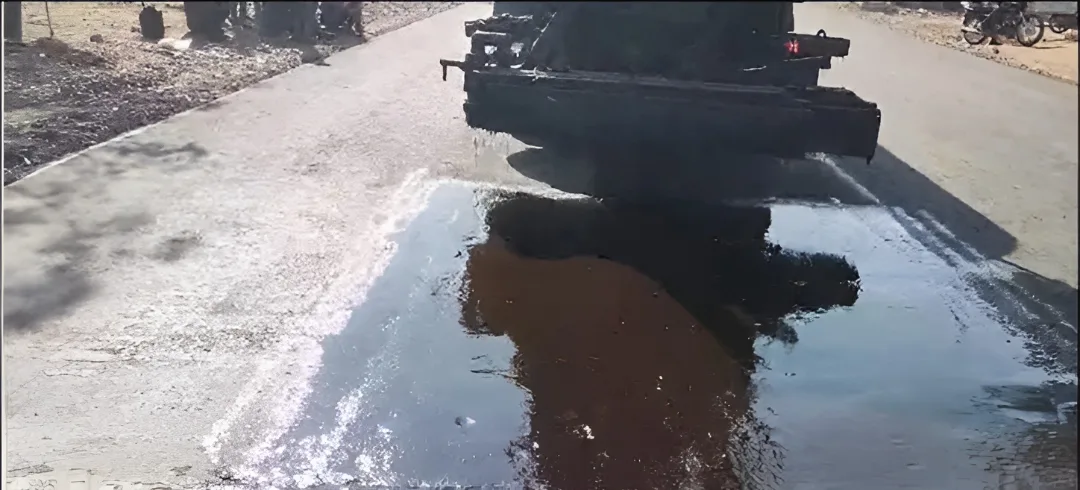
Bituminous pavements and overlays reinforced with geosynthetics improve the structural performance and durability of road surfaces by controlling reflective cracking and enhancing resistance to fatigue damage. These systems act as an effective barrier against moisture ingress, preventing weakening of underlying pavement layers and slowing overall deterioration. By distributing stresses more efficiently within the asphalt layer, they extend the service life of overlays and improve long-term performance under repeated traffic loading. This solution reduces maintenance frequency and supports cost-effective rehabilitation of existing pavement infrastructure.
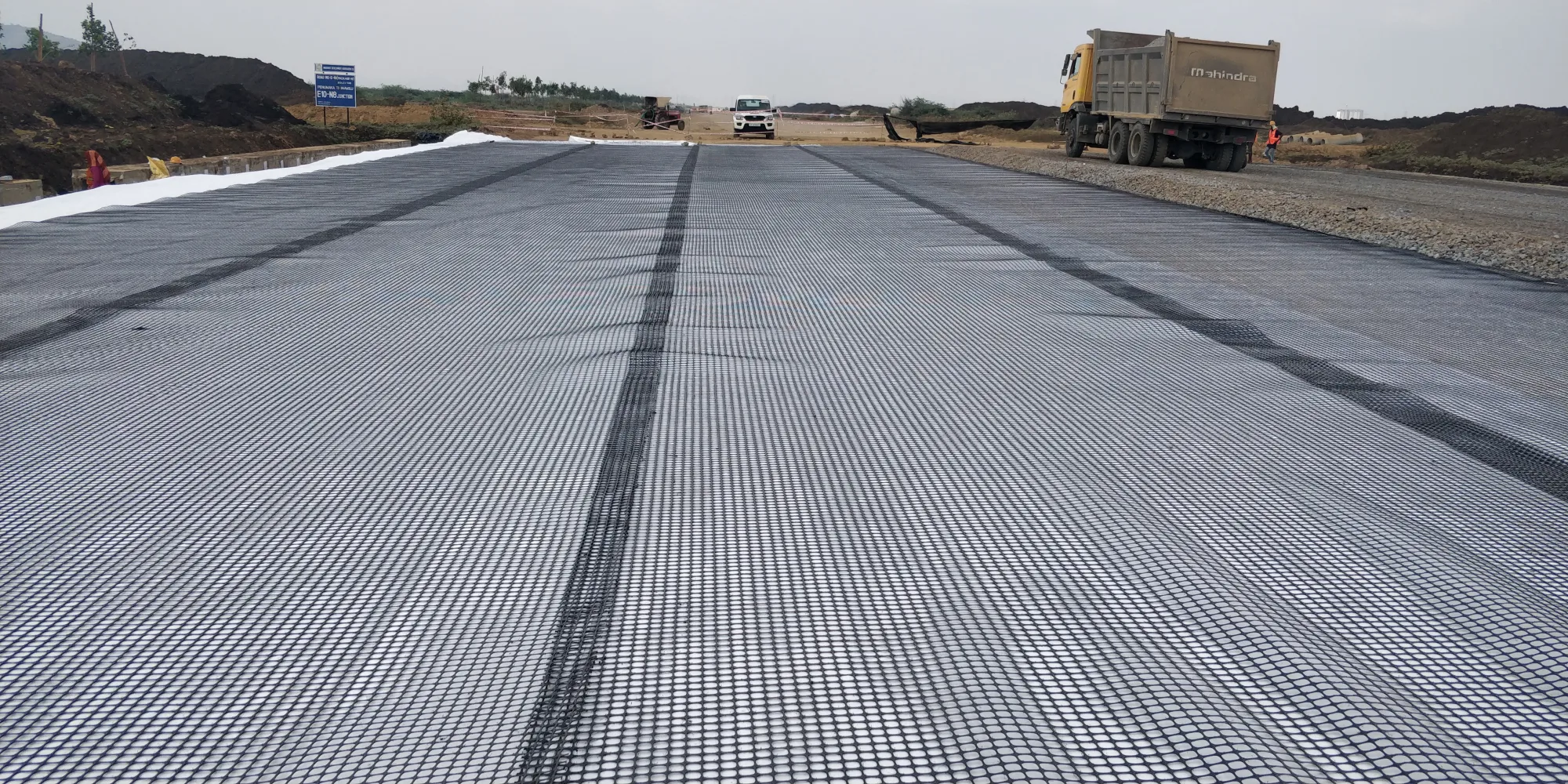
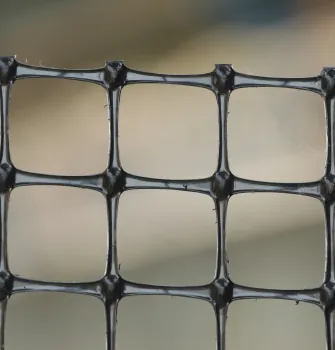
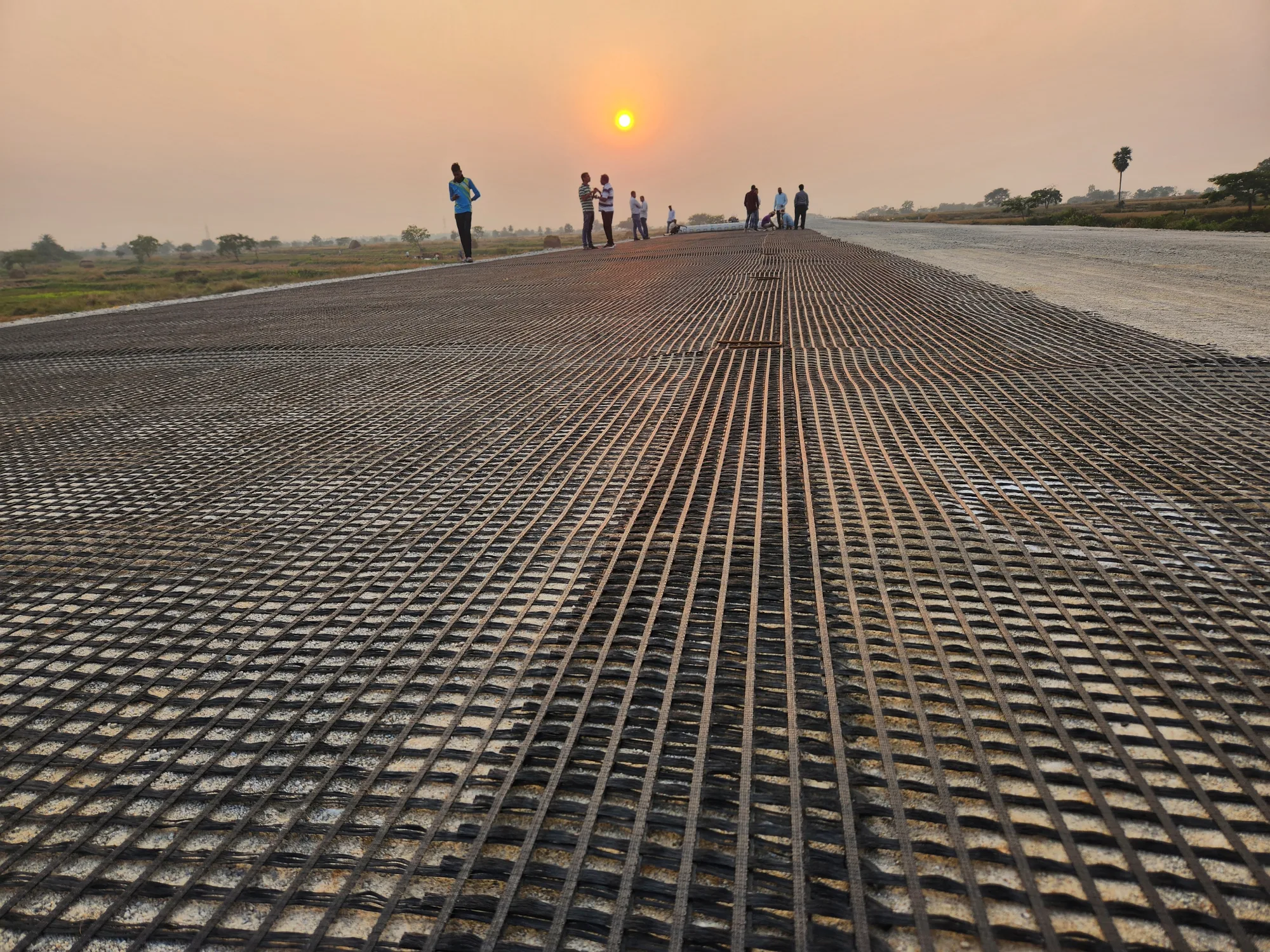
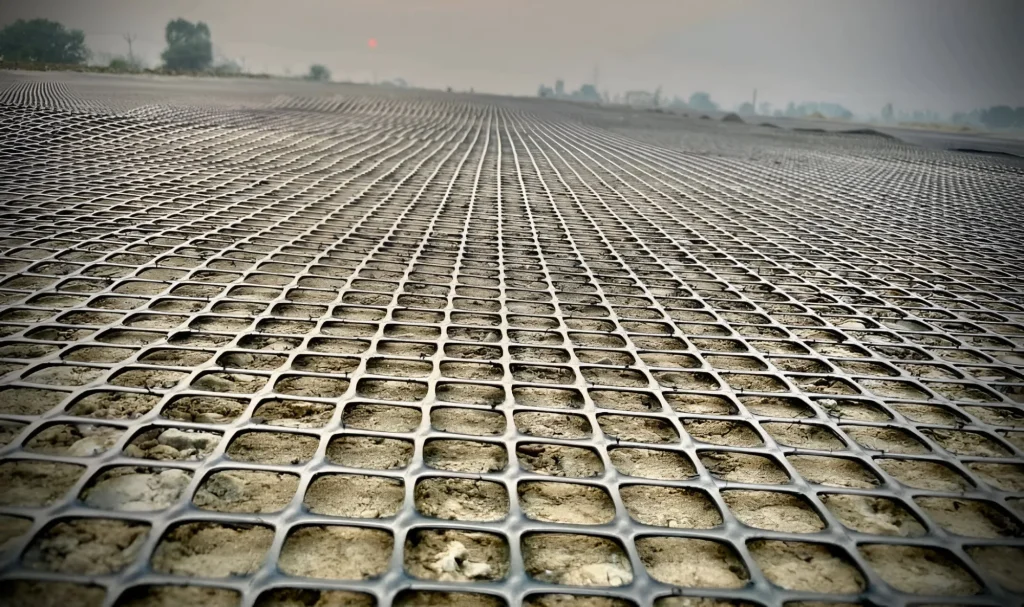
TechGrid Biaxial Geogrid System for Pavement Reinforcement
High-strength integrally formed polypropylene geogrid designed to provide excellent tensile reinforcement in both directions. It improves aggregate interlock, enhances load distribution, and reduces pavement deformation over weak subgrades.
Function
Biaxial tensile reinforcement of subgrade and base layers
Typical Use
Subgrade stabilization, granular base and subbase reinforcement, haul roads, highways, and industrial pavements
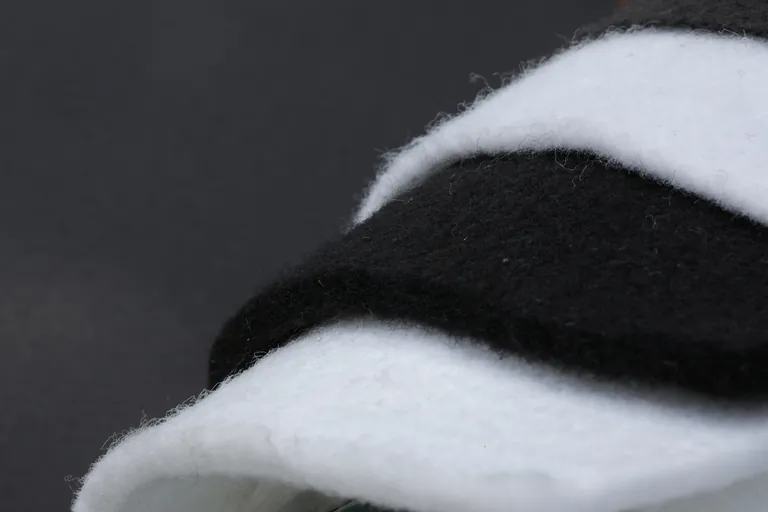
TechGeo Geotextile System for Separation, Filtration & Reinforcement
High-performance woven and nonwoven geotextiles engineered to provide effective separation between subgrade and aggregate layers while offering filtration and reinforcement functions. It prevents intermixing and maintains pavement layer integrity.
Function
Separation, filtration and reinforcement between soil and aggregate
Typical Use
Road subgrade separation, pavement filtration layers, rural roads, and working platforms
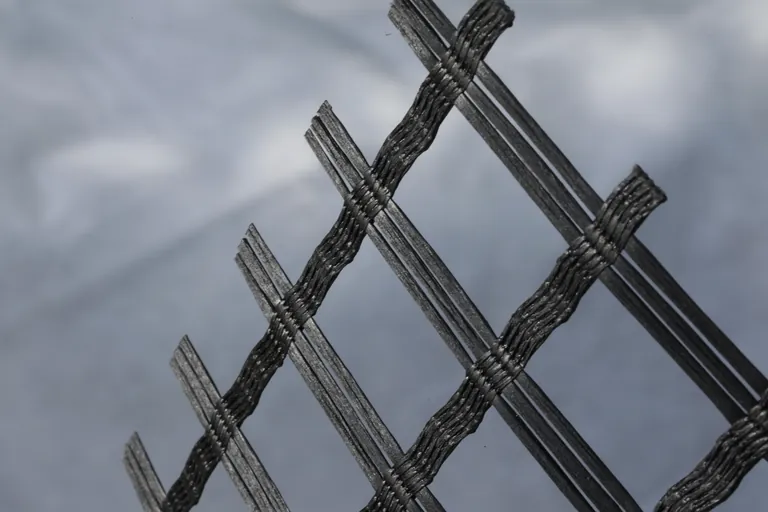
TechGlass Asphalt Reinforcement System for Bituminous Pavements
Specialized geosynthetic interlayer system designed to reinforce asphalt overlays, control reflective cracking, and improve fatigue resistance. It also acts as a moisture barrier to enhance long-term pavement durability.
Function
Asphalt interlayer reinforcement and moisture barrier
Typical Use
Highway overlays, pavement rehabilitation, airport runways, and urban roads
Pavement stabilization is the use of engineered materials and geosynthetic systems to improve the strength, load distribution, drainage, and durability of pavement structures. These solutions help roads withstand repeated traffic loading, weak subgrades, moisture, and challenging ground conditions.
Pavement stabilization helps improve structural performance, reduce deformation, control subgrade failures, and extend pavement service life. It can also reduce maintenance requirements and optimize the use of construction materials.
TechFab pavement stabilization systems are suitable for:
Yes. Optimized pavement design and efficient material usage can enable potential reductions of up to 25% in overall project costs. Actual savings depend on site conditions, pavement design, material availability, traffic loading, and construction requirements.
Key benefits include:
Subgrade stabilization improves the performance of weak soil layers beneath the pavement. Geosynthetic reinforcement enhances the resilient modulus of the subgrade, improves load distribution, and reduces deformation under traffic stresses.
Subgrade stabilization is particularly useful for:
In suitable applications, geosynthetic subgrade stabilization can reduce aggregate thickness by approximately 30–50%. The final reduction should be determined through project-specific pavement design and engineering analysis.
Geosynthetics interact with the soil and aggregate layers to improve confinement, tensile resistance, and load distribution. This helps reduce lateral movement, rutting, shear failure, and deformation under repeated traffic loading.
Granular base and subbase reinforcement involves incorporating geosynthetic materials within or beneath aggregate layers. The reinforcement improves aggregate interlock, load distribution, structural integrity, and resistance to deformation.
Benefits include:
Yes. Geosynthetic reinforcement can improve the performance of suitable marginal aggregates by enhancing confinement, load distribution, and resistance to shear failure. The aggregates must still satisfy the relevant project requirements.
These systems use geosynthetic interlayers within or beneath asphalt overlays to improve structural performance. They help control reflective cracking, improve fatigue resistance, distribute stresses, and limit moisture penetration.
The reinforcement layer helps distribute tensile stresses and reduce the transfer of cracks from an existing pavement into a new asphalt overlay. This can slow crack propagation and extend the service life of the rehabilitated pavement.
Yes. Geosynthetic reinforcement helps distribute stresses more evenly within the asphalt layer, improving resistance to repeated traffic loading and fatigue-related deterioration.
Subsurface drainage systems collect and remove excess water from pavement structures. They help prevent moisture accumulation, reduce pore-water pressure, and protect the subgrade from weakening under saturated conditions.
Water can reduce soil strength, increase pore-water pressure, cause deformation, and accelerate pavement deterioration. Effective drainage helps preserve structural stability, reduce moisture-related damage, and extend pavement service life.
TechFab geosynthetic drainage systems can be used in:
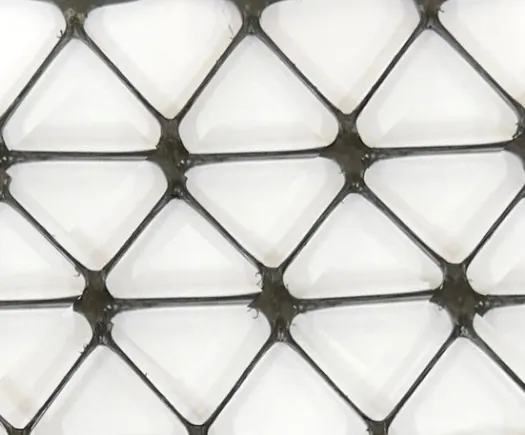
TechCell forms a cellular structure that provides lateral confinement to the infill material. This confinement improves load distribution, limits lateral spreading, reduces deformation, and increases the performance of the stabilized layer.
Yes. Different systems can be combined to address multiple pavement requirements. For example, a project may use TechGeo for separation, TechGrid for reinforcement, TechCell for subgrade confinement, and TechDrain for subsurface water management.
Yes. By improving load distribution, strengthening weak layers, reducing deformation, controlling cracking, and managing moisture, pavement stabilization systems can contribute to longer pavement service life.
Yes. Improved structural strength, better drainage, reduced rutting, and improved crack control can reduce the frequency and extent of maintenance. Actual maintenance savings depend on the design, materials, construction quality, traffic, and environmental conditions.
They can support sustainable construction by reducing aggregate requirements, optimizing pavement thickness, minimizing excavation, extending pavement life, and lowering maintenance needs. Reduced material usage may also help lower construction-related carbon emissions.
The related product range includes:
Important project information includes:
Yes. TechFab provides end-to-end support, including engineering design assistance, system selection, product recommendations, material optimization, construction guidance, and on-site implementation support.
Yes. TechFab pavement stabilization systems are suitable for highways, expressways, industrial logistics corridors, haul roads, industrial yards, airport runways, railway tracks, and other surfaces exposed to heavy or repeated loading.
Performance depends on: