Ground improvement is essential when in-situ soil has inadequate Safe Bearing Capacity (SBC), high compressibility, or a significant risk of settlement and instability under applied loads. These conditions can affect the safety, serviceability, and long-term performance of infrastructure.
Ground improvement systems enhance soil properties by increasing shear strength, improving SBC, reducing total and differential settlement, accelerating consolidation, and controlling deformation. TechFab provides advanced and efficient solutions for stabilizing weak soils across a wide range of geotechnical conditions.
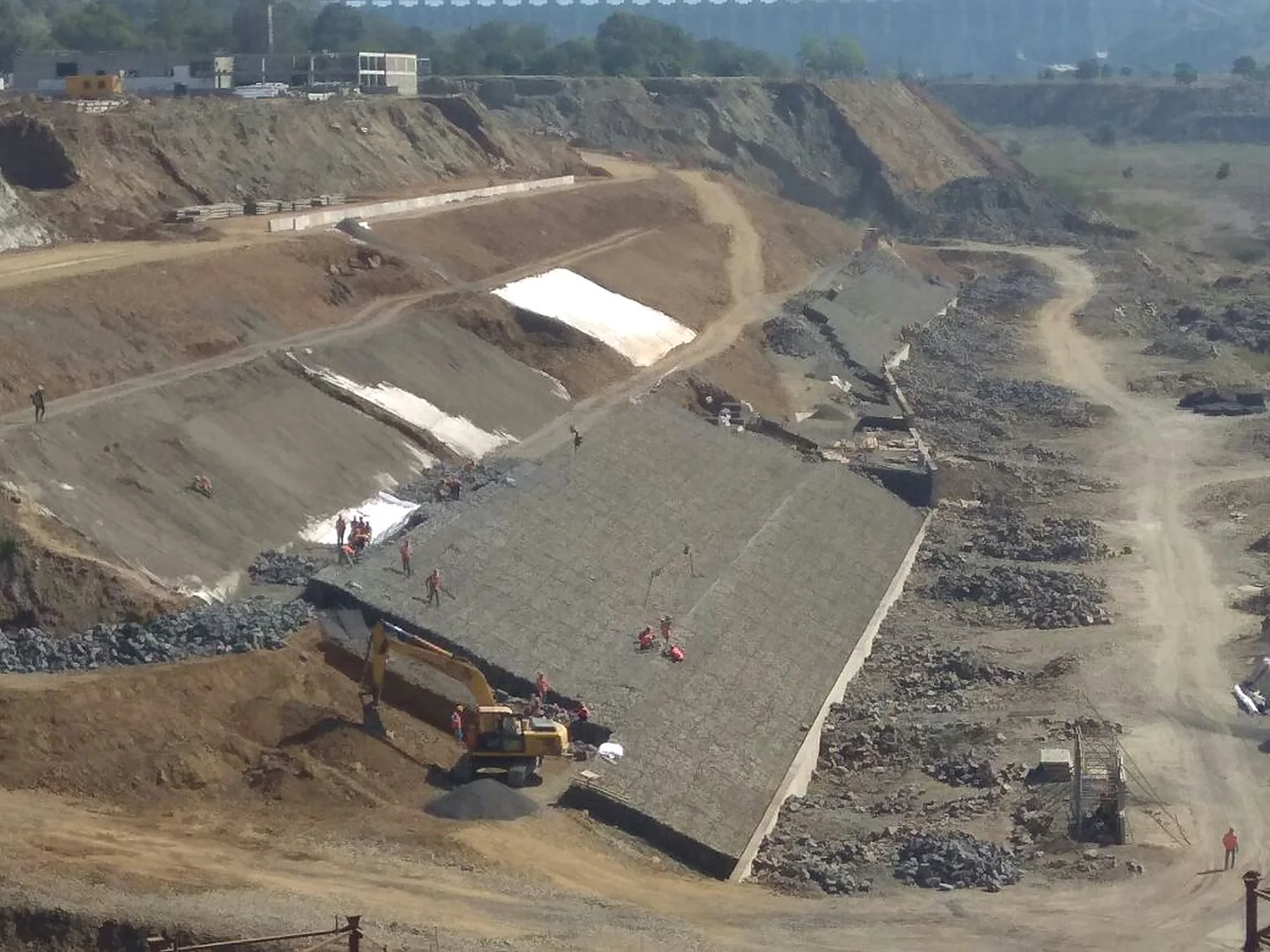
Overview
Available Systems
Success Stories
Products
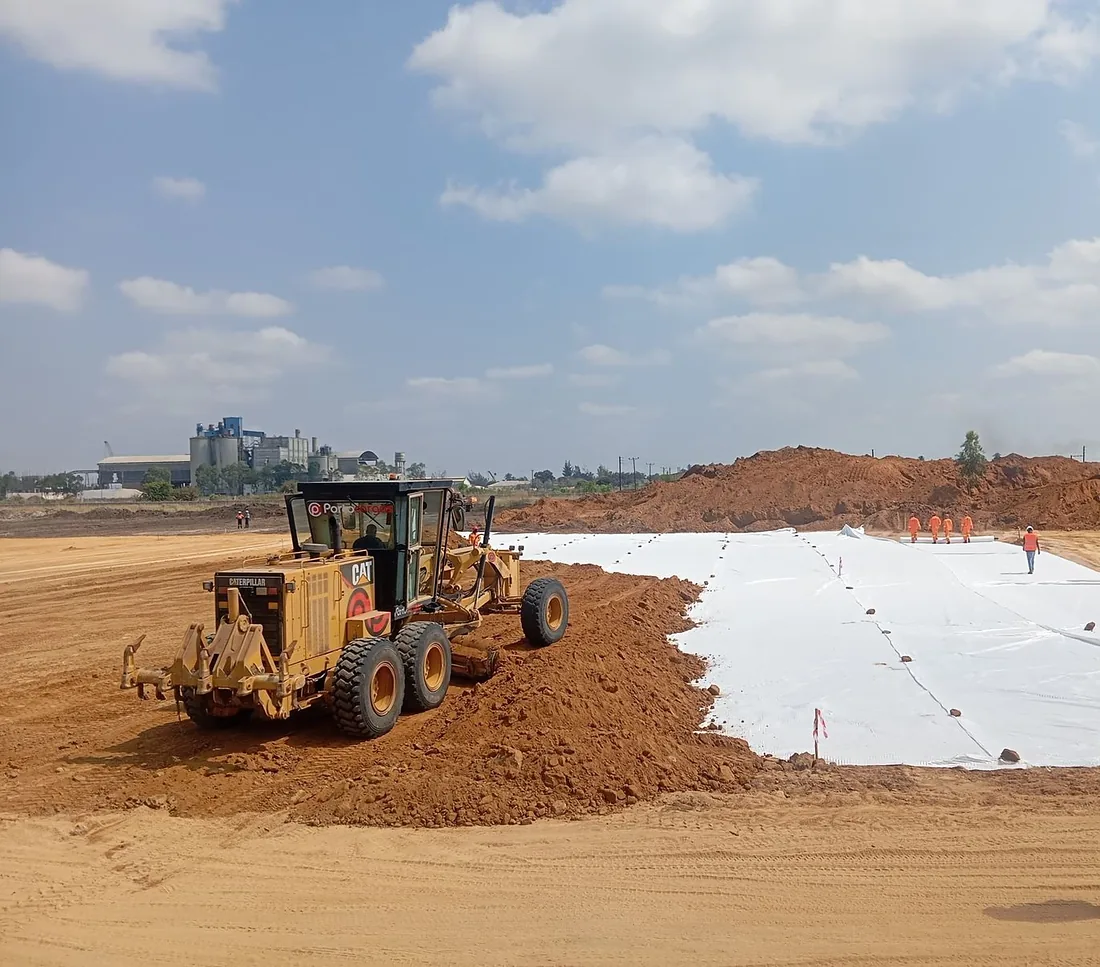
Ground improvement systems are advanced geotechnical solutions designed to transform weak, compressible, or unstable soils into reliable foundation strata. By modifying the properties of in-situ soil, these systems improve strength, stiffness, drainage behavior, and load-transfer performance.
Unlike conventional solutions such as piles, drilled shafts, and raft foundations, ground improvement techniques work with the existing ground conditions. This approach can reduce the need for imported materials, optimize load transfer, minimize settlement, and provide a more resource-efficient and sustainable construction solution.
Ground improvement is particularly important for projects involving soft clay, loose sand, reclaimed land, high groundwater levels, and variable or compressible subsoil. Applications range from highways and railways to industrial platforms, storage yards, warehouses, ports, and logistics facilities.
TechFab offers a comprehensive portfolio of ground improvement solutions, including:
Each solution is selected and engineered to address specific soil challenges while meeting site, performance, construction, and project schedule requirements.
Backed by technical expertise, TechFab provides support throughout the project lifecycle, from preliminary site assessment and design development to product selection, construction guidance, and performance monitoring. This integrated approach ensures that ground improvement measures are technically appropriate, economically viable, and aligned with project objectives.
01
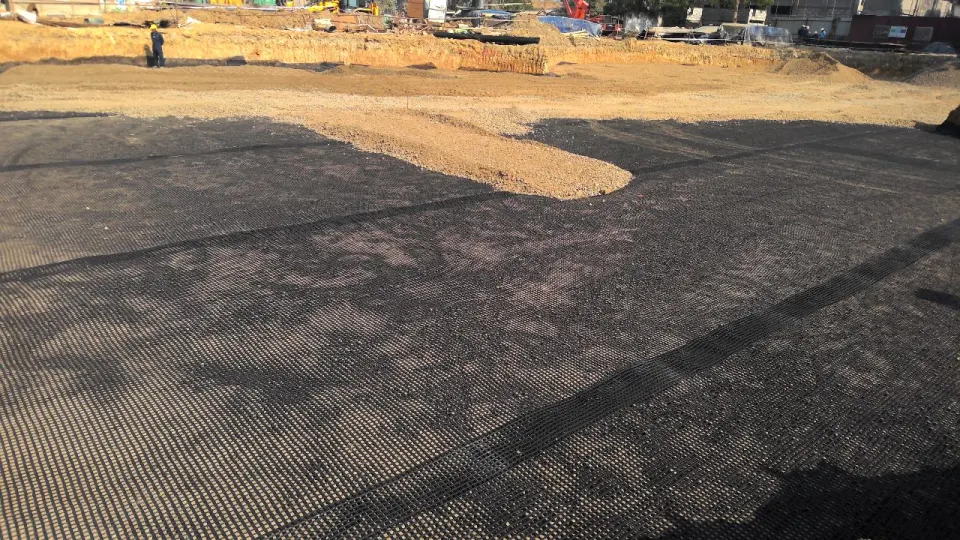
Shallow ground improvement techniques enhance the engineering properties of near-surface soils, typically within depths of approximately 1–3 m. These methods are suitable when weak soil is limited to the upper portion of the ground profile. Solutions such as geocell confinement and geogrid reinforcement improve safe bearing capacity, support uniform load distribution, reduce surface deformation, and minimize differential settlement. They are suitable for pavements, embankments, working platforms, and lightly loaded foundations.
Know More02
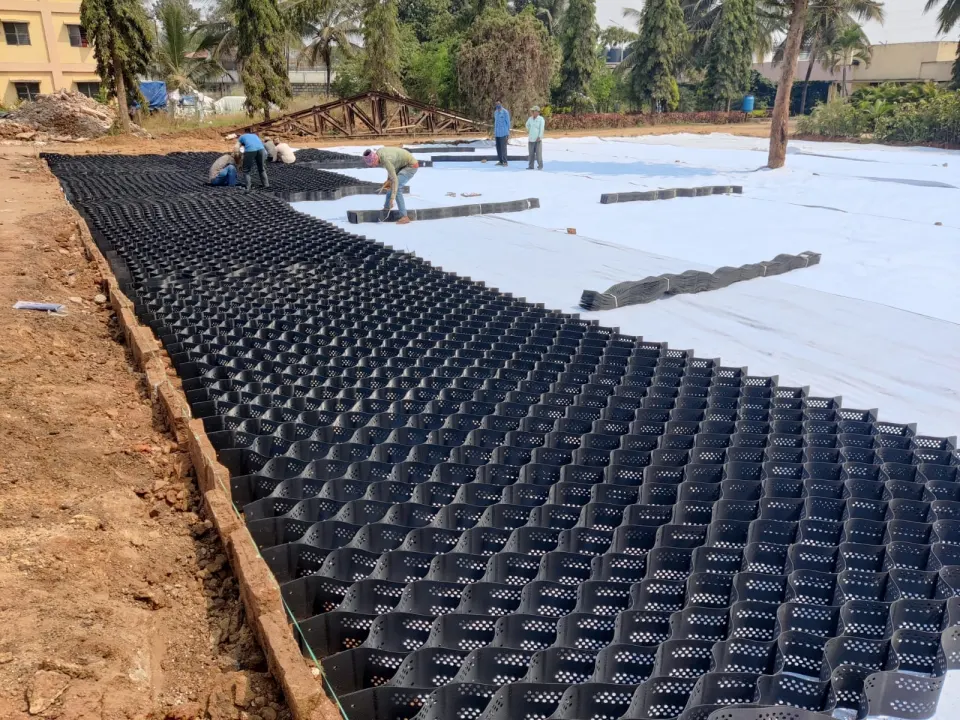
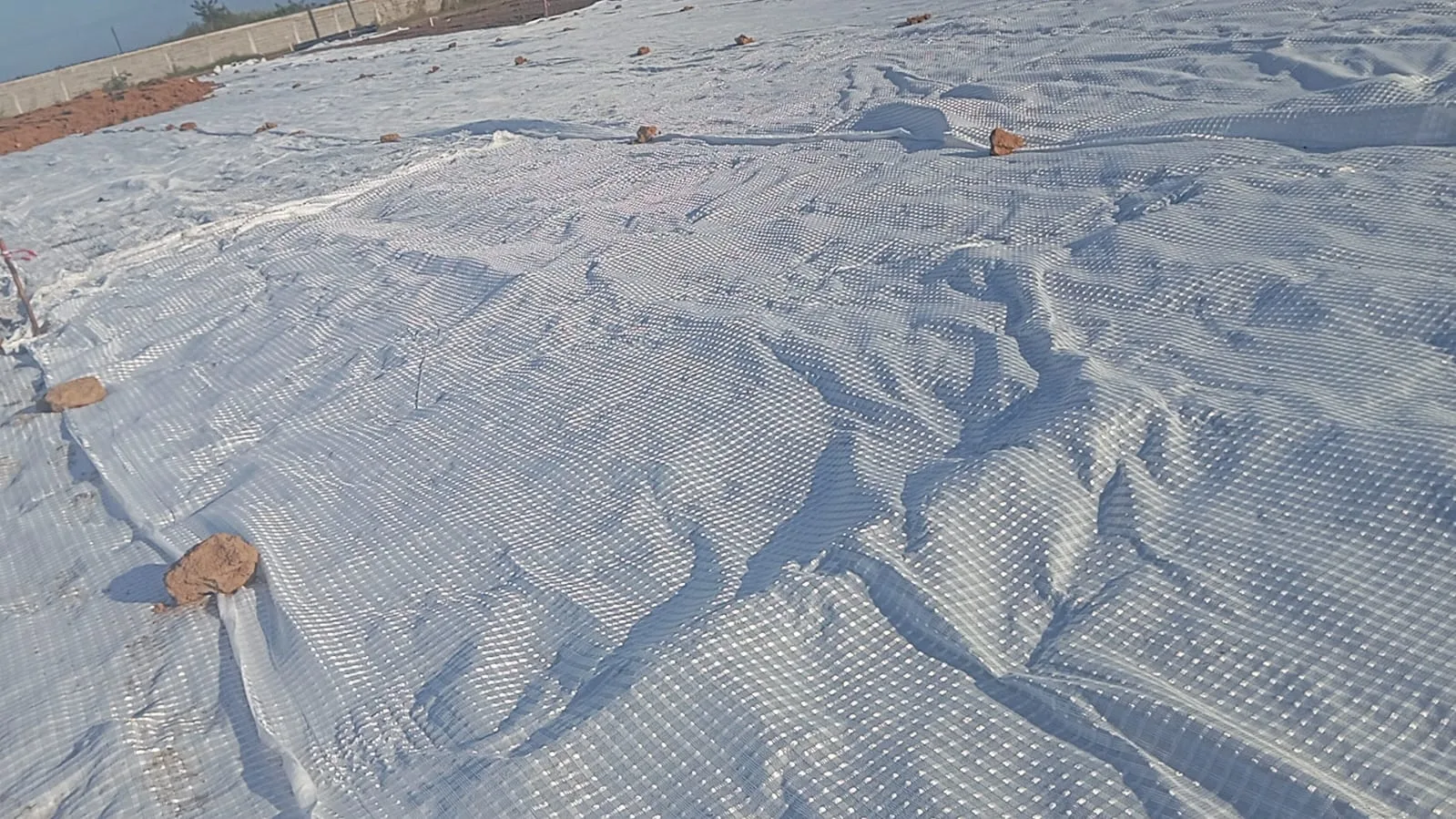
Industrial and logistics facilities often include large warehouses, storage yards, container handling areas, and heavy-duty operating surfaces. These facilities require high load-bearing capacity, uniform ground performance, and limited settlement across large areas. Such projects are frequently constructed over soft, reclaimed, or variable subsoil. Basal reinforcement systems can improve SBC, distribute static and dynamic loads, and support the construction of stable working and pavement platforms. In logistics zones, controlled settlement is essential for maintaining pavement integrity, smooth vehicle movement, drainage performance, and operational efficiency. TechFab provides reliable and cost-effective ground improvement solutions tailored to the requirements of industrial and logistics infrastructure.
Know MoreTechFab Biaxial Geogrid System for Basal Reinforcement
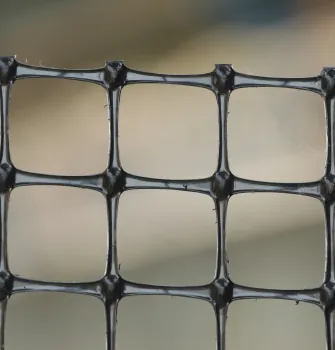
TechFab Biaxial Geogrid is an integrally formed polypropylene geogrid that provides tensile strength in both directions. It improves soil interlock and confinement, enhances load distribution, and supports subgrade stabilization. Typical applications: Subgrade stabilization, basal reinforcement, working platforms, load-transfer platforms, embankments, and foundation support applications.
Height Range
1 m – 10 m
Typical Use
Subgrade stabilisation, basal reinforcement, working platforms, load transfer platforms
TechFab Geotextile for Ground Improvement
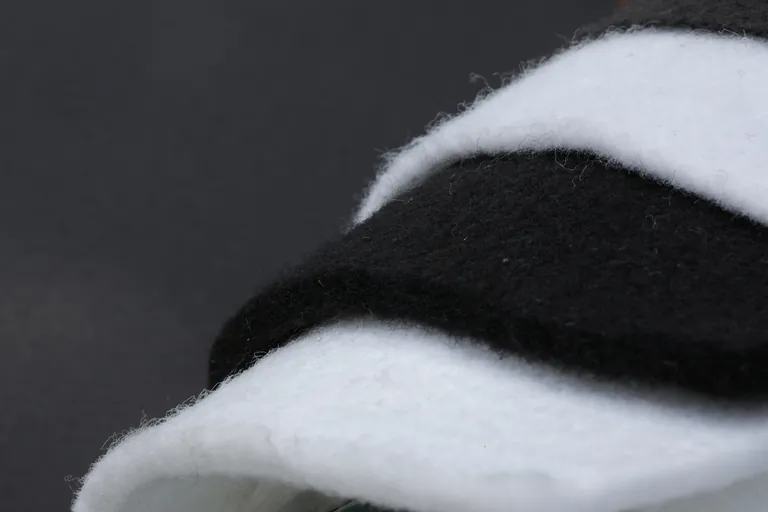
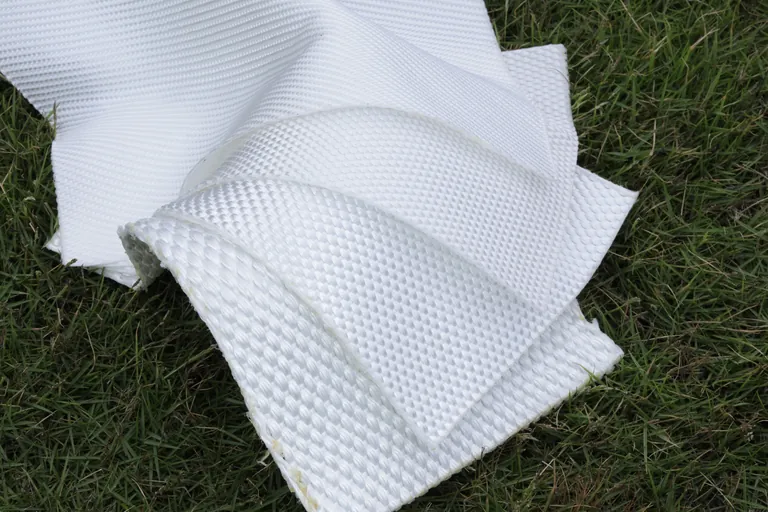
TechFab woven and nonwoven geotextiles are designed to provide separation, filtration, reinforcement, and drainage. They offer controlled permeability, high tensile strength, and durability in demanding soil and environmental conditions. Typical applications: Subgrade stabilization, basal reinforcement, drainage, coastal protection, erosion control, and ground improvement works.
Height Range
1 m – 10 m
Typical Use
Subgrade stabilisation, basal reinforcement, coastal protection
Ground improvement is the process of modifying weak, compressible, or unstable soil to improve its strength, stiffness, drainage, load-bearing capacity, and settlement performance. It helps create a more reliable foundation for infrastructure projects.
Ground improvement may be required when in-situ soil has:
Safe Bearing Capacity is the maximum allowable pressure that soil can safely support without excessive shear failure or unacceptable settlement. Ground improvement can increase the effective SBC of weak or variable soils.
Ground improvement can provide:
In suitable conditions, ground improvement can reduce or eliminate the need for piles, drilled shafts, or other deep foundation systems. The decision depends on soil properties, structural loading, settlement limits, groundwater, and project-specific design requirements.
They improve soil stiffness, increase load distribution, accelerate consolidation, or confine weak soil and fill materials. The selected mechanism depends on the soil type and the ground improvement system used.
Ground improvement systems may be used for:
Shallow ground improvement generally treats weak near-surface soils, often within approximately 1–3 m of the ground surface. Deep ground improvement is used when weak or compressible layers extend to greater depths and cannot be adequately treated using surface-based methods.
Shallow ground improvement enhances the engineering properties of near-surface soil. Techniques such as geocell confinement and geogrid reinforcement improve bearing capacity, distribute loads, control deformation, and reduce differential settlement.
Typical applications: Pavements, embankments, working platforms, lightly loaded foundations, and near-surface stabilization.
Deep ground improvement treats weak or compressible soil layers that extend significantly below the surface. It improves subsoil strength, supports stable load transfer, reduces settlement, and accelerates consolidation.
Prefabricated Vertical Drains, or PVDs, are composite drainage elements consisting of a polymeric core enclosed in a geotextile filter jacket. They shorten the drainage path in soft, saturated soil and help dissipate excess pore-water pressure.
PVDs provide shorter and more efficient drainage paths for excess pore water. When used with preloading, they accelerate consolidation and help achieve more controlled settlement within a shorter period.
Basal reinforcement is the placement of geosynthetic reinforcement at or near the base of an embankment, working platform, or loaded area. It improves load distribution, controls lateral spreading, and helps stabilize construction over weak ground.
Basal reinforcement transfers and distributes loads over a wider area, improves soil confinement, and helps reduce lateral movement and deformation. It supports more stable construction over soft or variable subsoil.
Ground improvement is used in:
Slope erosion control involves protecting exposed or inclined soil surfaces from rainfall, runoff, hydraulic forces, and other environmental effects. The systems improve surface confinement, reduce runoff velocity, and support vegetation where required.
Yes. Ground improvement can reduce the need for deep foundations, imported fill, extensive soil replacement, and construction materials. It may also shorten construction schedules and improve the long-term durability of infrastructure.
The related product range includes:
Selection depends on:
Yes. Geocells, geogrids, geotextiles, and PVDs may be combined where different soil challenges occur at the same site. For example, PVDs may accelerate consolidation in deep soft clay, while basal geogrids improve load transfer and geotextiles provide separation.
TechFab can provide assistance with site evaluation, product selection, system design, material optimization, construction guidance, and performance monitoring. The level of support depends on project requirements.
Ground improvement can reduce costs by limiting soil replacement, reducing imported fill, minimizing the need for deep foundations, shortening construction time, and lowering future maintenance requirements. Actual savings depend on the site-specific design and construction conditions.