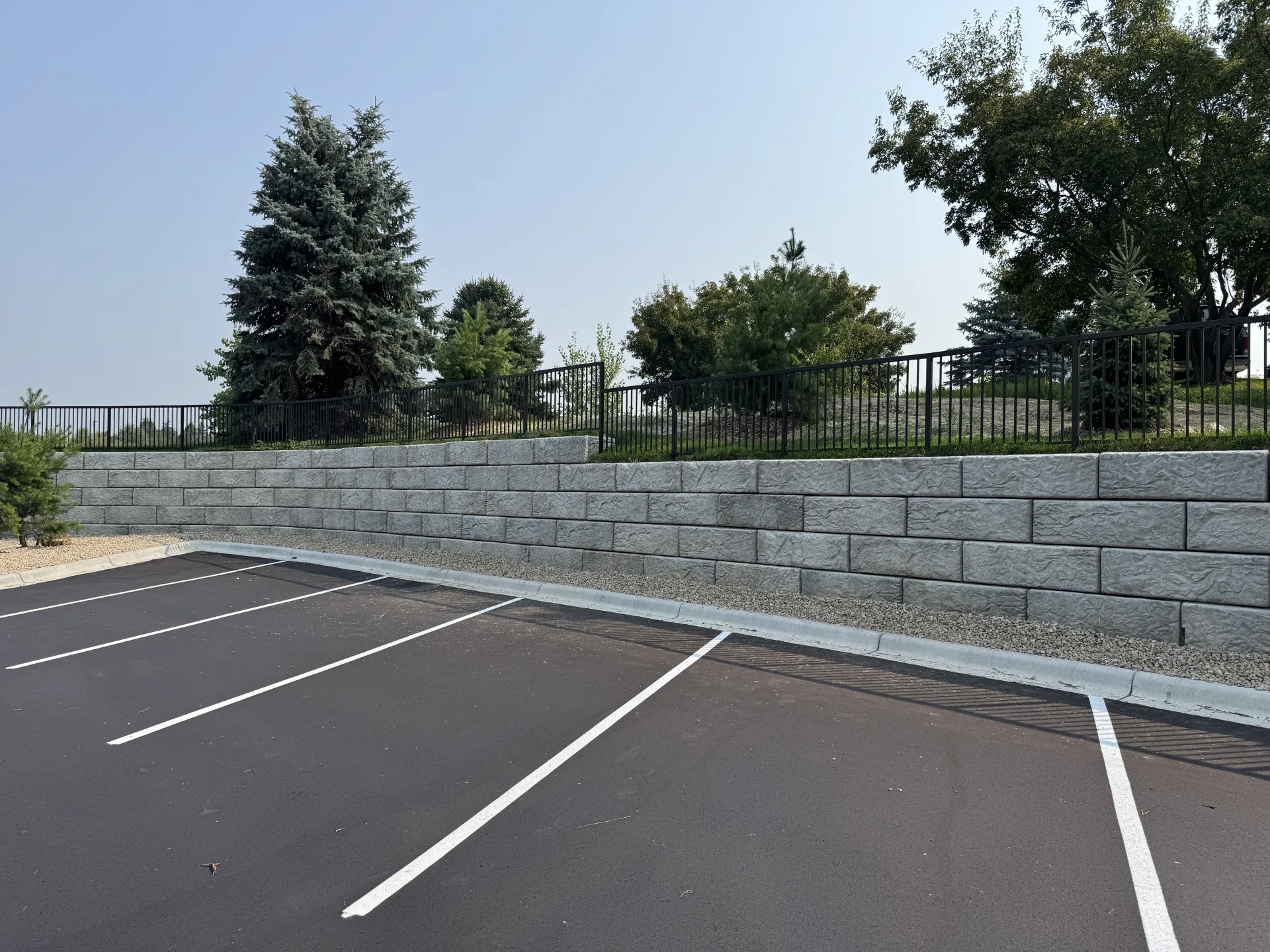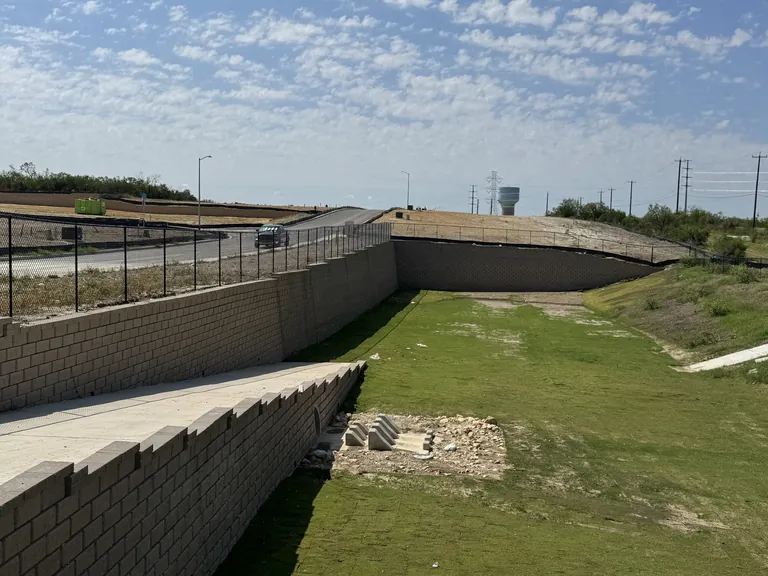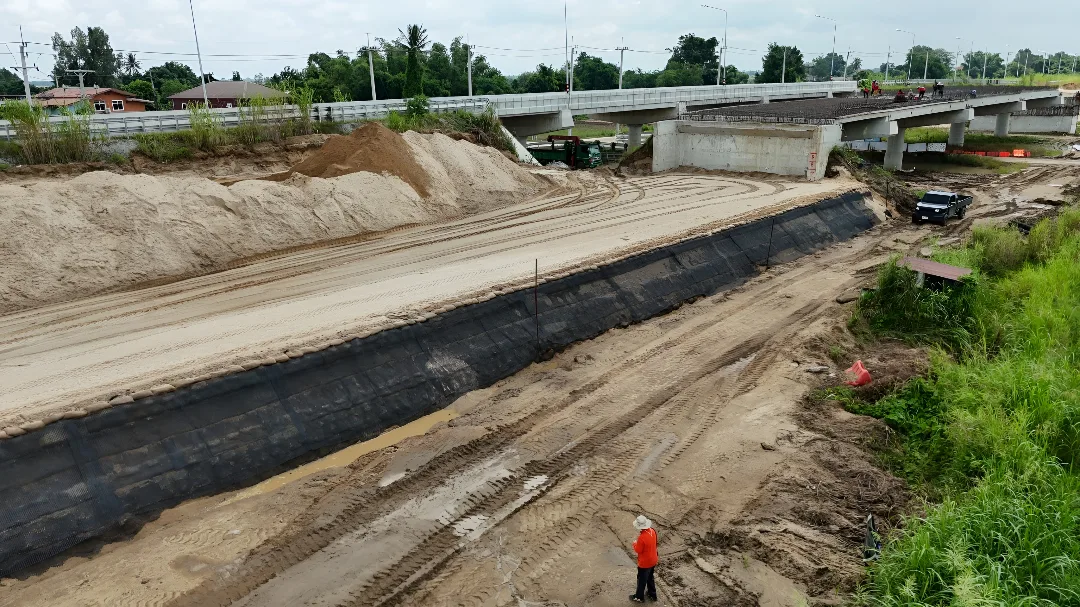
TechGrid® Polyester Uniaxial Geogrid is a high-strength geosynthetic reinforcement product manufactured from premium polyester yarns with a protective PVC coating. Designed to provide tensile strength primarily in one direction, it helps reinforce soil structures and control deformation under loading.
The product is intended for geotechnical applications such as reinforced soil retaining walls, embankments, veneer reinforcement, and steep slope stabilization. It is suited to projects where tensile reinforcement, long-term creep resistance, and dependable performance are important design considerations.
Features
Solutions
Success Stories
Resources
High tensile strength
Provides reinforcement in the primary strength direction.
Long-term creep resistance
Helps limit time-dependent deformation under sustained tensile loading.
Soil structure reinforcement
Can be incorporated into engineered retaining walls, embankments, and slope systems.
Load transfer
Works with surrounding soil as part of a designed reinforced soil mass.
Protective PVC coating
Adds a protective layer against environmental exposure and mechanical damage.
Design flexibility
Can be considered for different geotechnical applications according to project requirements.
Practical handling
Its lightweight structure can help with handling and placement during installation.
Long-term service
Supports durable reinforcement systems when correctly selected, designed, installed, and maintained as required.
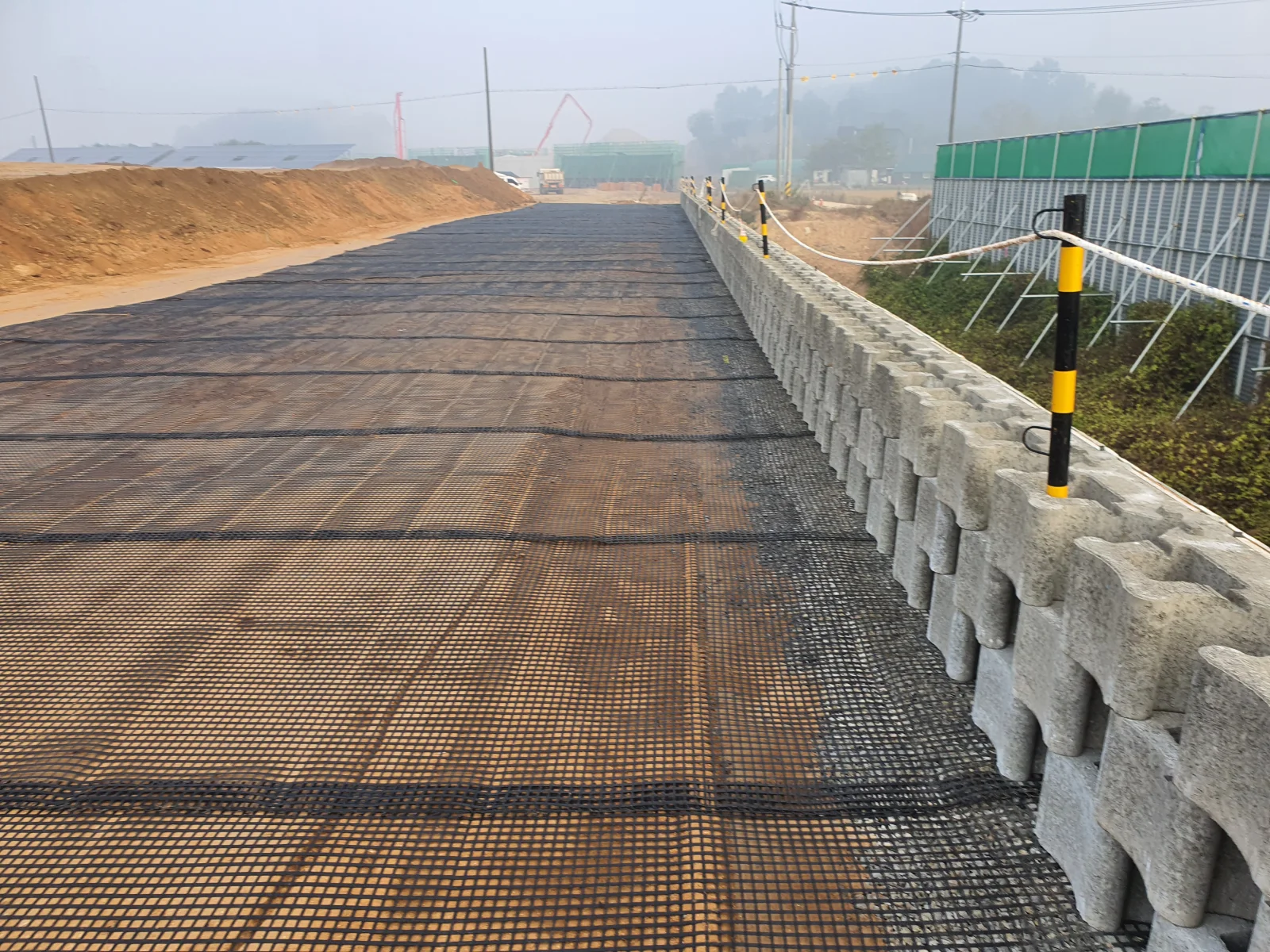
When soil is loaded, it may move or deform. TechGrid Polyester Uniaxial Geogrid provides tensile resistance in its primary strength direction, helping restrain movement within a reinforced soil structure.
As part of a properly designed system, the geogrid works with the surrounding soil and other structural components to support stability and transfer forces through the reinforced soil mass. The polyester yarns provide tensile reinforcement, while the PVC coating forms a protective layer.
The required reinforcement strength, spacing, embedment length, connection details, and layout should be established through project-specific engineering design.
Innovative TechGrid Uniaxial Geogrids for challenging soil reinforcement projects
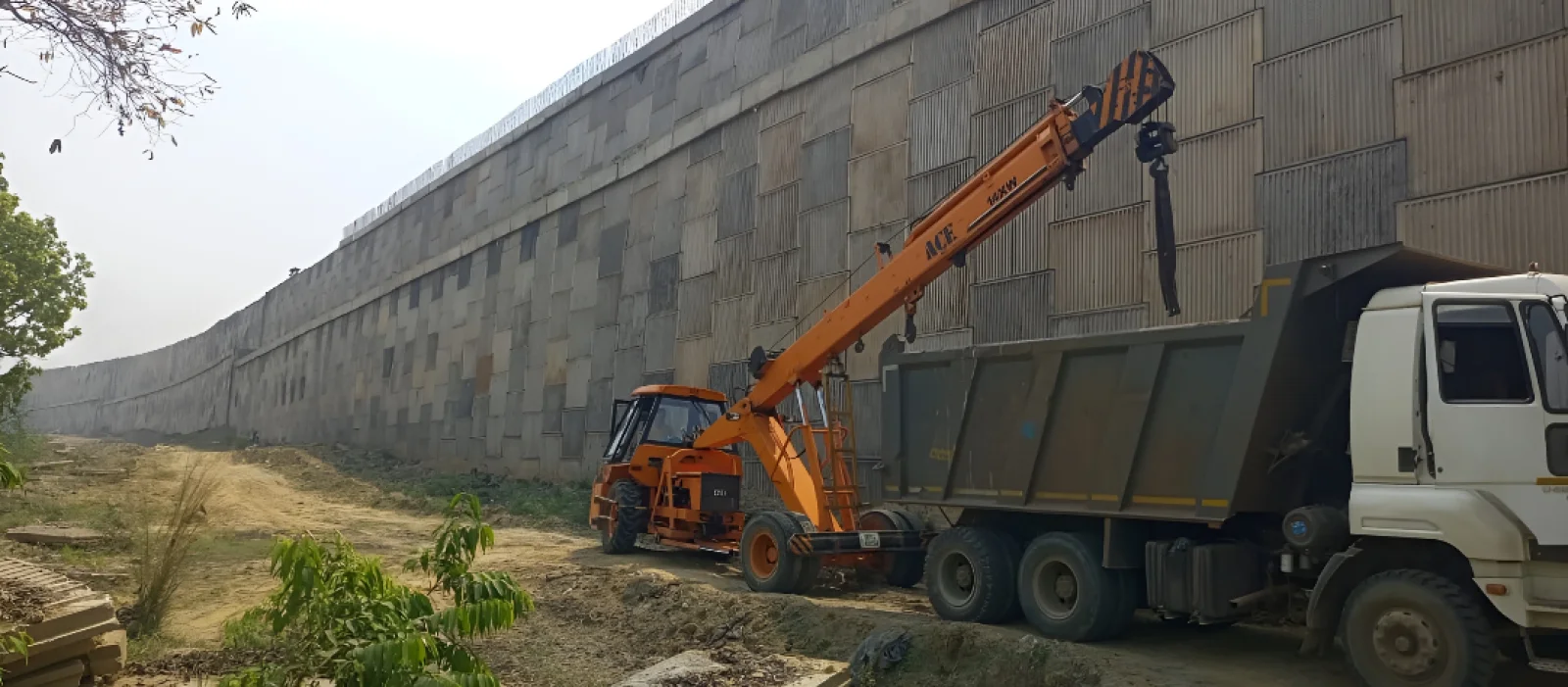
TechGrid Polyester Uniaxial Geogrid can be incorporated into mechanically stabilized earth (MSE) walls and other reinforced soil retaining structures. It provides tensile reinforcement within the soil mass to help resist lateral movement and support wall stability.
Applications
Embankments built over weak or variable ground may require reinforcement to meet stability and deformation requirements. TechGrid can be included in engineered embankment systems to provide tensile reinforcement and support performance under project-specific loading conditions.
Applications
Veneer reinforcement involves stabilizing relatively thin soil layers or facing systems over slopes and other supporting structures. TechGrid can be incorporated into appropriately designed systems to help resist movement and support stability.
Applications
Steep slopes can be susceptible to soil movement and erosion depending on soil properties, groundwater, slope geometry, and site conditions. TechGrid can provide tensile reinforcement within an engineered soil system to help improve stability and control deformation.
Applications
 European Conformity (CE)
 ISO 9001
 Bureau of Indian Standards (BIS)
 Geosynthetic Accreditation Institute (GAI-LAP)
 National Accreditation Board for Testing and Calibration Laboratories (NABL)
 Bangladesh Small & Cottage Industries Corporation (BSCIC)European Conformity (CE)ISO 9001Bureau of Indian Standards (BIS)Geosynthetic Accreditation Institute (GAI-LAP)National Accreditation Board for Testing and Calibration Laboratories (NABL)Bangladesh Small & Cottage Industries Corporation (BSCIC)


Review the applicable installation guidance for reinforced soil walls, embankments, and slope stabilization systems.
View available installation guidance for reinforced soil structures and other applicable reinforcement systems.
Connect with our engineering team for expert guidance
TechGrid Polyester Uniaxial Geogrid is a geosynthetic reinforcement product designed to provide tensile resistance primarily in one direction. It can be used in engineered reinforced soil walls, embankments, veneer reinforcement systems, and steep slope stabilization projects.
Uniaxial means the geogrid is designed to provide its primary tensile reinforcement in one direction. This makes it a potential choice for soil reinforcement applications where the design requires strength along a defined principal direction.
TechGrid Polyester Uniaxial Geogrid is manufactured from premium polyester yarns with a protective PVC coating.
When included in an engineered reinforced soil wall, TechGrid provides tensile resistance within the soil mass and helps resist lateral movement. Overall wall performance depends on the complete design, soil properties, reinforcement layout, connections, drainage, and construction quality.
Creep is gradual deformation under sustained loading over time. For reinforced soil structures, creep behavior is an important consideration when evaluating long-term deformation. TechGrid is described as having high tensile strength and long-term creep resistance; consult the product’s technical documentation for applicable design values.
Embankment reinforcement is one of the product’s stated applications. TechGrid may be considered for highway and railway embankments when tensile reinforcement is required by the project design. Product selection and reinforcement layout should be confirmed by the project’s geotechnical design.
TechGrid is intended for use in engineered steep-slope reinforcement applications. It can provide tensile reinforcement within the soil mass to help control movement. Suitability depends on slope geometry, soil and groundwater conditions, surface protection, drainage, and the project’s design requirements.
A uniaxial geogrid provides its primary tensile reinforcement in one direction and is commonly considered for reinforced soil walls, embankments, and slopes. A biaxial geogrid provides tensile reinforcement in two directions and is commonly considered for applications such as pavement or aggregate-base stabilization. The right product depends on the loading conditions and engineering design.
The PVC coating forms a protective layer over the polyester yarns and is intended to help protect the reinforcement from environmental exposure and mechanical damage. Confirm product-specific durability and chemical-resistance claims against the current technical documentation.
When properly specified and incorporated into an engineered system, TechGrid’s tensile reinforcement and creep-resistance properties can help control movement and deformation. Actual performance depends on the product properties, soil conditions, loads, reinforcement layout, and construction.
No. Product suitability depends on soil strength, groundwater, applied loads, wall or slope geometry, connection details, durability requirements, and applicable project criteria. A qualified geotechnical engineer should evaluate the proposed design and confirm the appropriate reinforcement.
Selection typically requires the intended application, wall or slope geometry, soil and groundwater conditions, applied loads, design life, and project specifications. The required tensile properties, creep performance, durability, and reinforcement layout should be checked against the applicable technical data and design requirements.
Refer to the TechGrid Polyester Uniaxial Geogrid technical data sheet and approved product brochures for available specifications, test data, and supporting documentation. Confirm that the selected product meets the project’s requirements before installation.
Applications identified for TechGrid include roads and highways, railways, mining, and hydraulic works. The product may also be evaluated for other engineered soil reinforcement projects where its verified properties meet the design requirements.