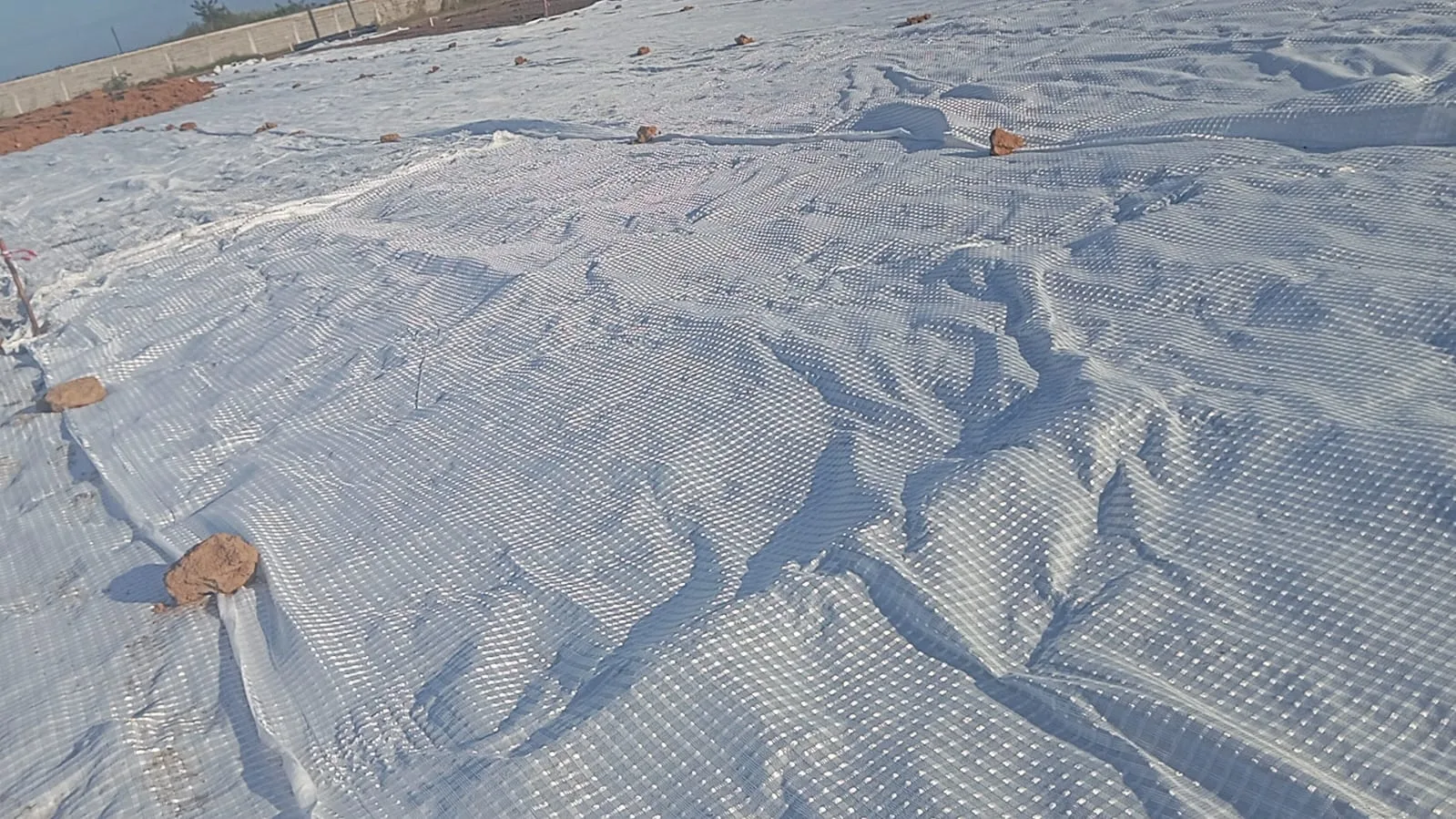
TechFab TGC is a reinforced nonwoven geocomposite made from a polyester or polypropylene nonwoven geotextile combined with high-tenacity polyester filament yarns knit-bonded in both the machine and cross-machine directions. The composite is designed to bring together several geosynthetic functions in one product: tensile reinforcement, filtration, separation, and drainage.
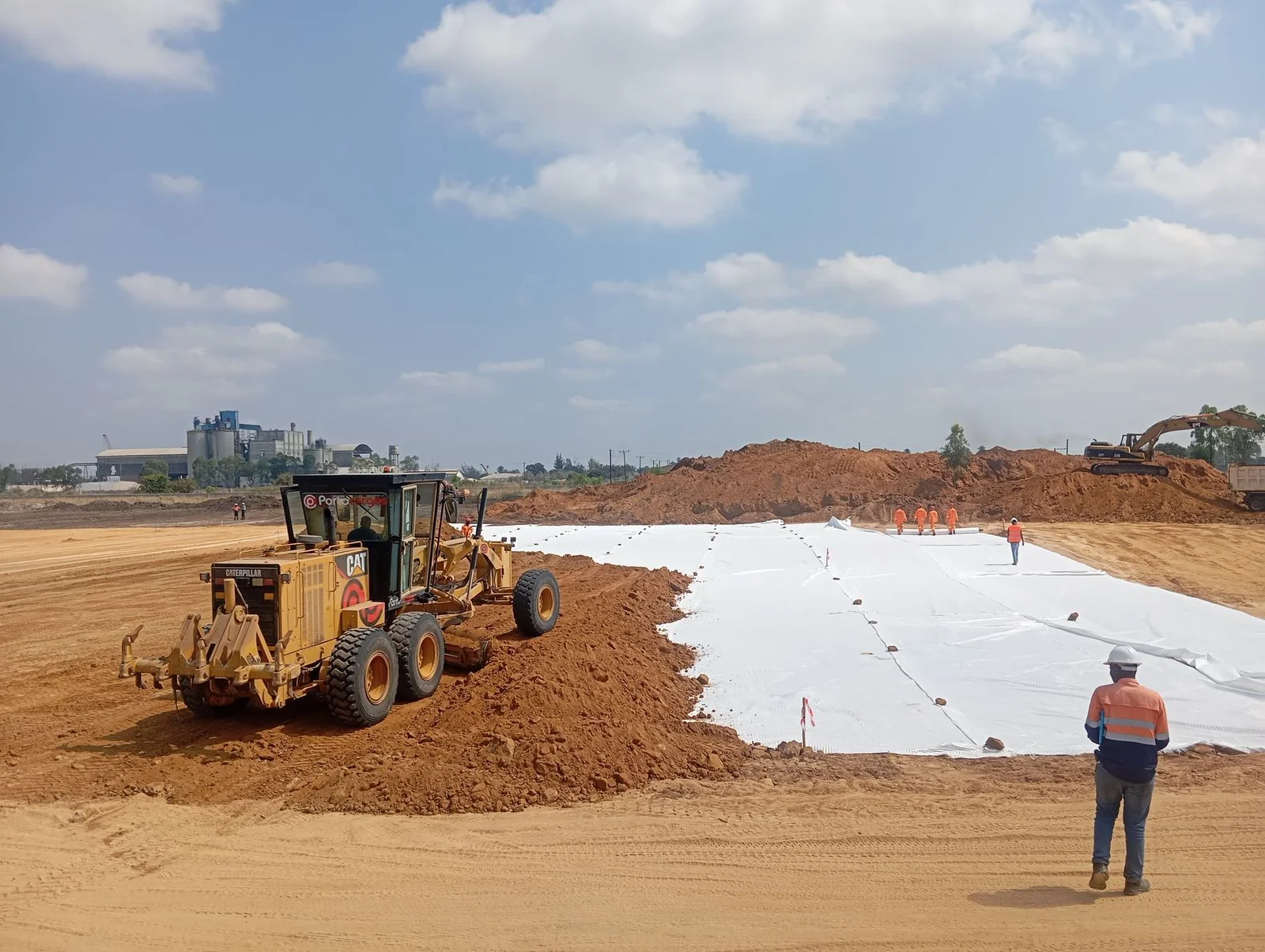
TGC can be incorporated into engineered systems for paved and unpaved roads, reinforced soil structures, load transfer platforms over saturated ground, and parking or storage areas. Depending on the project design and site conditions, the composite can help distribute loads, maintain separation between materials, allow water to pass, and support drainage within the ground system. Product selection should be based on the applicable technical data sheet and project requirements.
Features
Solutions
Success Stories
Resources
Integrated tensile reinforcement
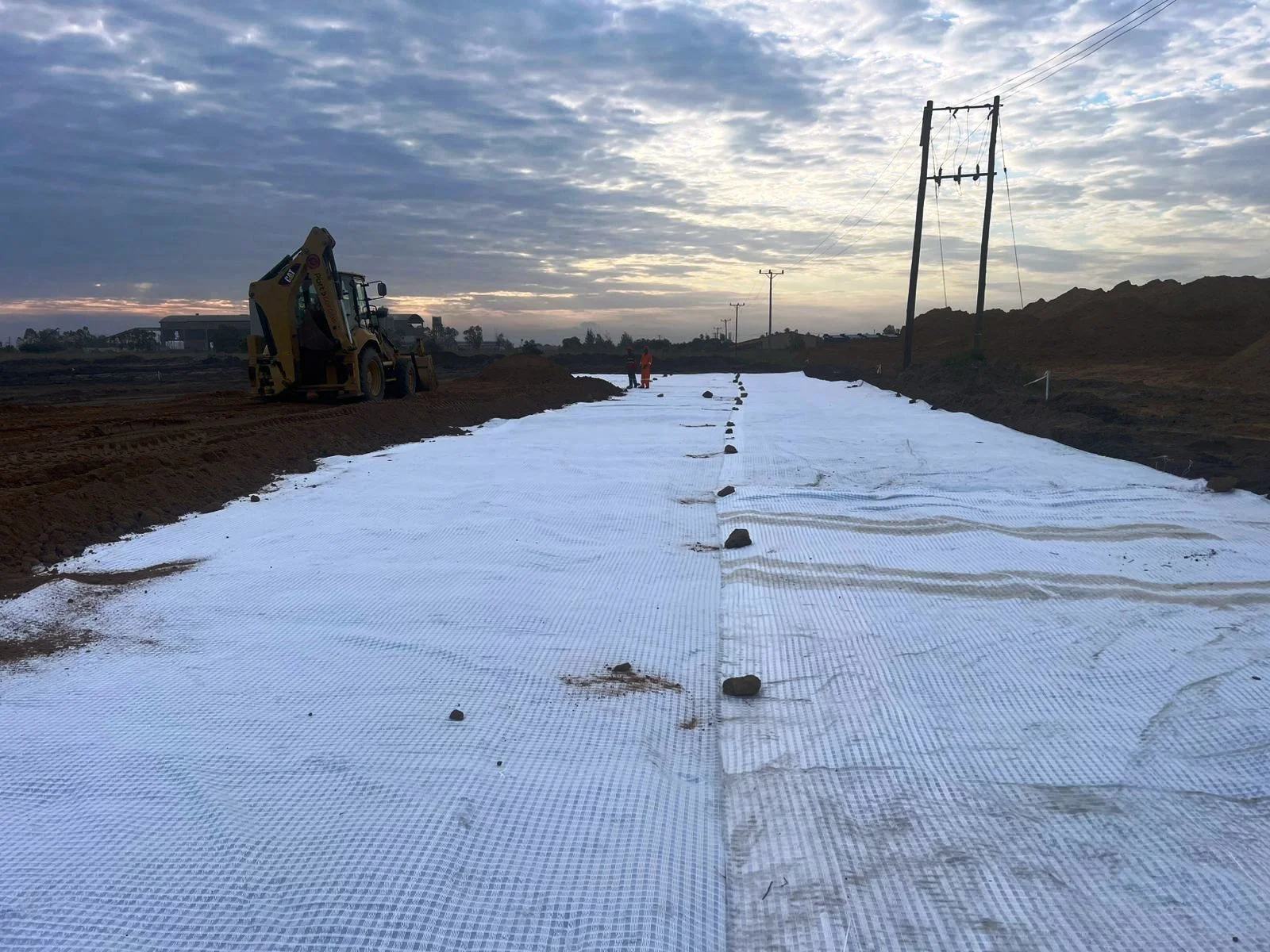
High-tenacity polyester filament yarns are knit-bonded in the machine and cross-machine directions to provide reinforcement within the composite.
Separation
The nonwoven geotextile component helps prevent mixing between aggregate and subgrade materials when selected and installed for the site conditions.
Filtration
The geotextile component allows water to pass while helping retain soil particles, subject to the soil and hydraulic properties required by the design.
Drainage support
The composite is intended to facilitate water movement through the system and may help manage pore-water pressure when incorporated into a suitable drainage design.
Combined geosynthetic functions
Reinforcement, filtration, separation, and drainage functions are brought together in one composite product.
Durability considerations
The source identifies resistance to installation damage, environmental exposure, and creep deformation. Verify product-specific performance using current technical documentation.
Potential construction efficiency
Combining functions in one product may simplify material coordination, but actual installation, cost, and maintenance benefits depend on the project.
TGC combines a nonwoven geotextile with high-tenacity polyester filament yarns that are knit-bonded in the machine and cross-machine directions. The yarn reinforcement provides tensile capacity, while the nonwoven component supports filtration and separation functions. Water can move through the geotextile as specified by its hydraulic properties.
In a properly designed ground system, these functions can work together to help manage loads, limit mixing between layers, retain soil particles, and support drainage. The performance achieved depends on the selected TGC configuration, subgrade and aggregate properties, groundwater conditions, loading, installation, and overall engineering design.
Advanced geocomposite reinforcement solution providing soil stabilization, load distribution, separation, filtration, and drainage for long-term infrastructure performance and durability.
TGC can be considered for road systems where reinforcement, separation, and drainage functions are needed within the pavement or aggregate structure. When the product is selected for the site conditions and incorporated into an appropriate design, it may help manage rutting and settlement.
Applications
The composite can provide tensile reinforcement as part of an engineered reinforced-soil system. Design should account for soil properties, reinforcement layout, loading, deformation requirements, connections, and drainage.
Applications
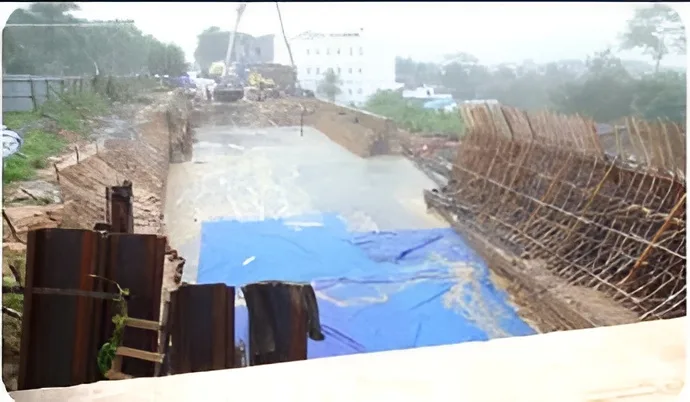
Where a platform is constructed over weak or saturated ground, a geocomposite may be incorporated into the engineered system to provide reinforcement and separation while supporting water movement. The required platform configuration and expected performance must be established by project-specific design.
Applications
TGC can be considered in engineered parking and storage-area systems subjected to repeated traffic or operational loads. Its role may include reinforcement, separation, filtration, and drainage, according to the pavement or ground design.
Applications
 European Conformity (CE)
 ISO 9001
 Geosynthetic Accreditation Institute (GAI-LAP)
 National Accreditation Board for Testing and Calibration Laboratories (NABL)

Provide the current installation guidance for TGC Polyester Geocomposite, including handling, placement, overlaps, protection during construction, and any project-specific installation requirements.
Link to relevant installation videos where available. Confirm the content matches TGC geocomposite and the intended application before publishing.
Connect with our engineering team for expert guidance
TGC is a reinforced nonwoven geocomposite made from a polyester or polypropylene nonwoven geotextile with high-tenacity polyester filament yarns knit-bonded in the machine and cross-machine directions. It is designed to combine reinforcement, filtration, separation, and drainage functions.
The source product information describes a polyester or polypropylene nonwoven geotextile component combined with high-tenacity polyester filament yarns. Confirm the exact construction of the grade being supplied by checking its current technical data sheet.
The source describes the high-tenacity polyester filament yarns as knit-bonded along both the machine direction and the cross-machine direction. These directions refer to the lengthwise and widthwise directions of the geotextile during manufacture.
The source identifies four functions: tensile reinforcement, filtration, separation, and drainage. Which functions are required and the level of performance needed should be established from the project design and product-specific technical data.
TGC may be used in road systems where reinforcement, separation, filtration, or drainage is required. When designed for the specific subgrade, aggregate, and loading conditions, it can help manage deformation such as rutting or settlement. Results depend on the complete pavement design and site conditions.
Reinforced soil walls and steep slopes are listed applications. The selected product and reinforcement layout must meet the structural design requirements, including soil properties, loads, geometry, drainage, and required long-term performance.
It is an engineered platform intended to distribute applied loads over weak or saturated ground. The source lists TGC for this application. The platform design must evaluate ground conditions, loading, drainage, and the required reinforcement and separation functions.
The source describes TGC as helping improve load distribution and pavement stability. In a properly designed system, its reinforcement and separation functions may help manage rutting and settlement. No fixed reduction should be assumed without project-specific analysis or supporting test data.
The geotextile component helps limit mixing between aggregate and subgrade materials. Maintaining separation can help preserve the intended properties of each layer, provided the selected product and installation details are suitable for the site conditions.
The nonwoven geotextile component allows water to pass while helping retain soil particles when selected to match the soil gradation and hydraulic conditions. Relevant filtration and flow properties should be confirmed in the product technical data.
The source states that TGC facilitates water movement and can help reduce pore pressure. The actual drainage effect depends on the geocomposite’s measured hydraulic properties, the surrounding materials, groundwater conditions, and the overall drainage design.
No product should be assumed suitable for every site. Selection depends on subgrade and aggregate properties, groundwater, loading, intended geosynthetic functions, construction method, and project specifications. The design engineer should confirm the appropriate product configuration.
Refer to the current TGC Polyester Geocomposite technical data sheet, product brochure, and approved installation guidance provided by Techfab USA. Confirm the document matches the product configuration and intended use.
Review the intended application, required reinforcement and hydraulic functions, soil and aggregate properties, groundwater conditions, loading, geometry, construction method, and project specifications. Use product-specific technical data and project engineering to confirm suitability.