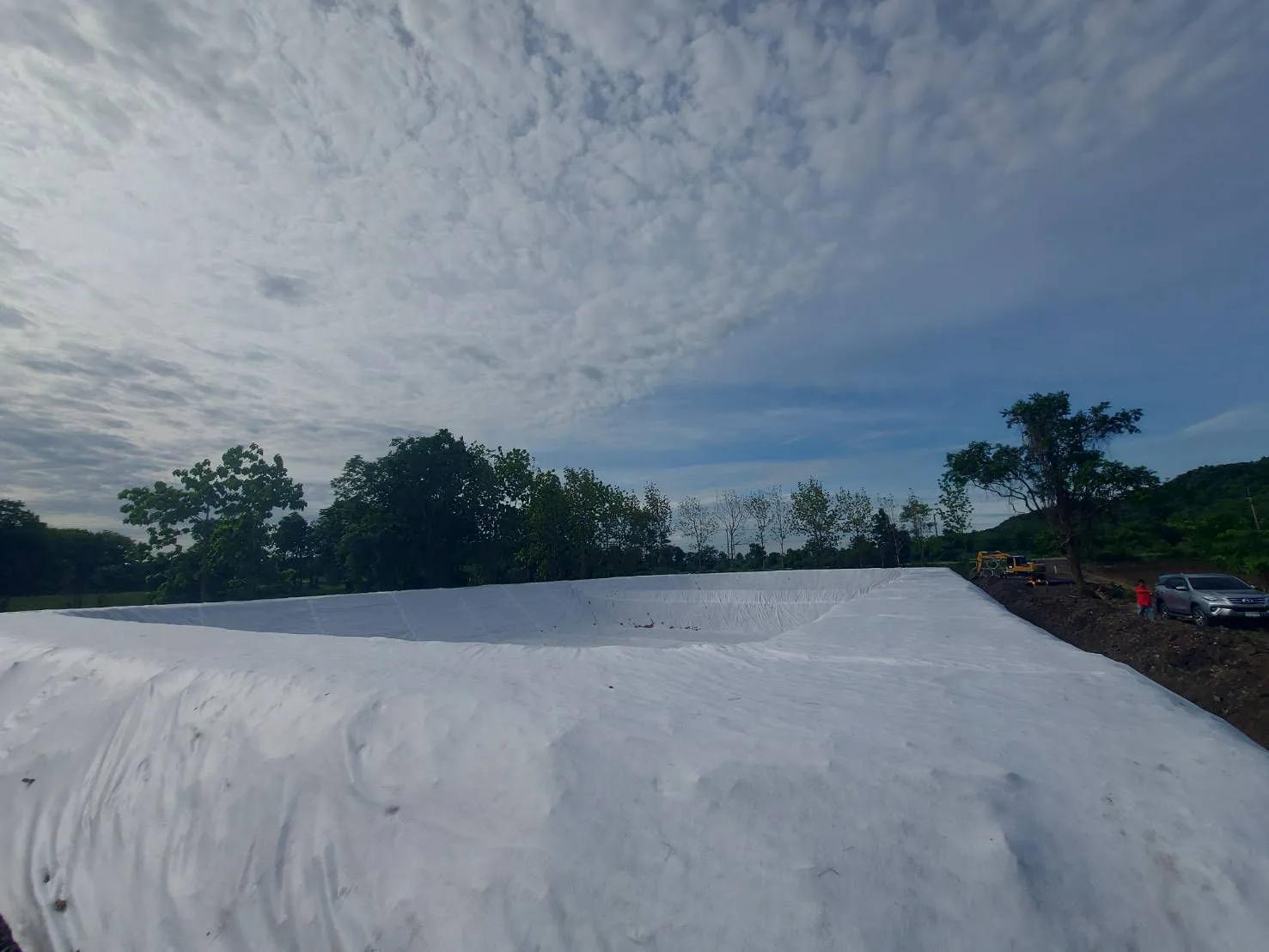
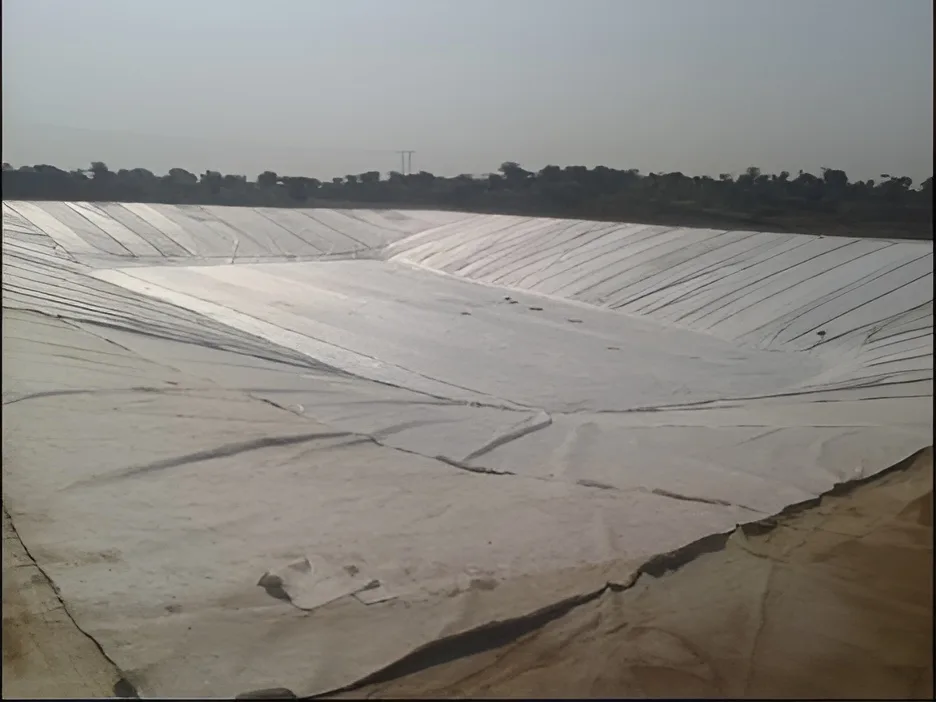
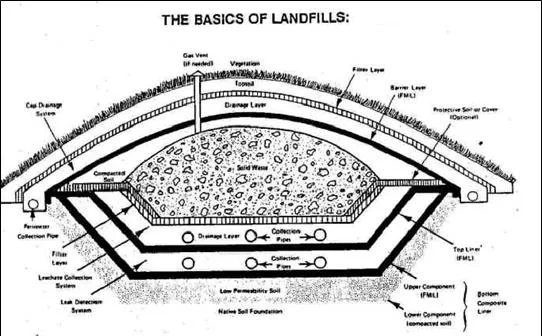
TechGeo Nonwoven Geotextile is a permeable geosynthetic fabric made from polypropylene (PP) staple fibers bonded together through a needle-punching process. Its flexible, porous structure allows water to pass through while helping retain soil particles, making it suitable for filtration, separation, drainage, and selected erosion-control applications.
TechGeo can be incorporated into engineered systems for roadway and railway subgrade separation, filtration beneath hard armor protection, geotextile bags and containers, and selected paving applications. The appropriate product grade and installation method depend on the project’s design, soil conditions, hydraulic demands, and the relevant technical specifications.
Features
Solutions
Success Stories
Resources
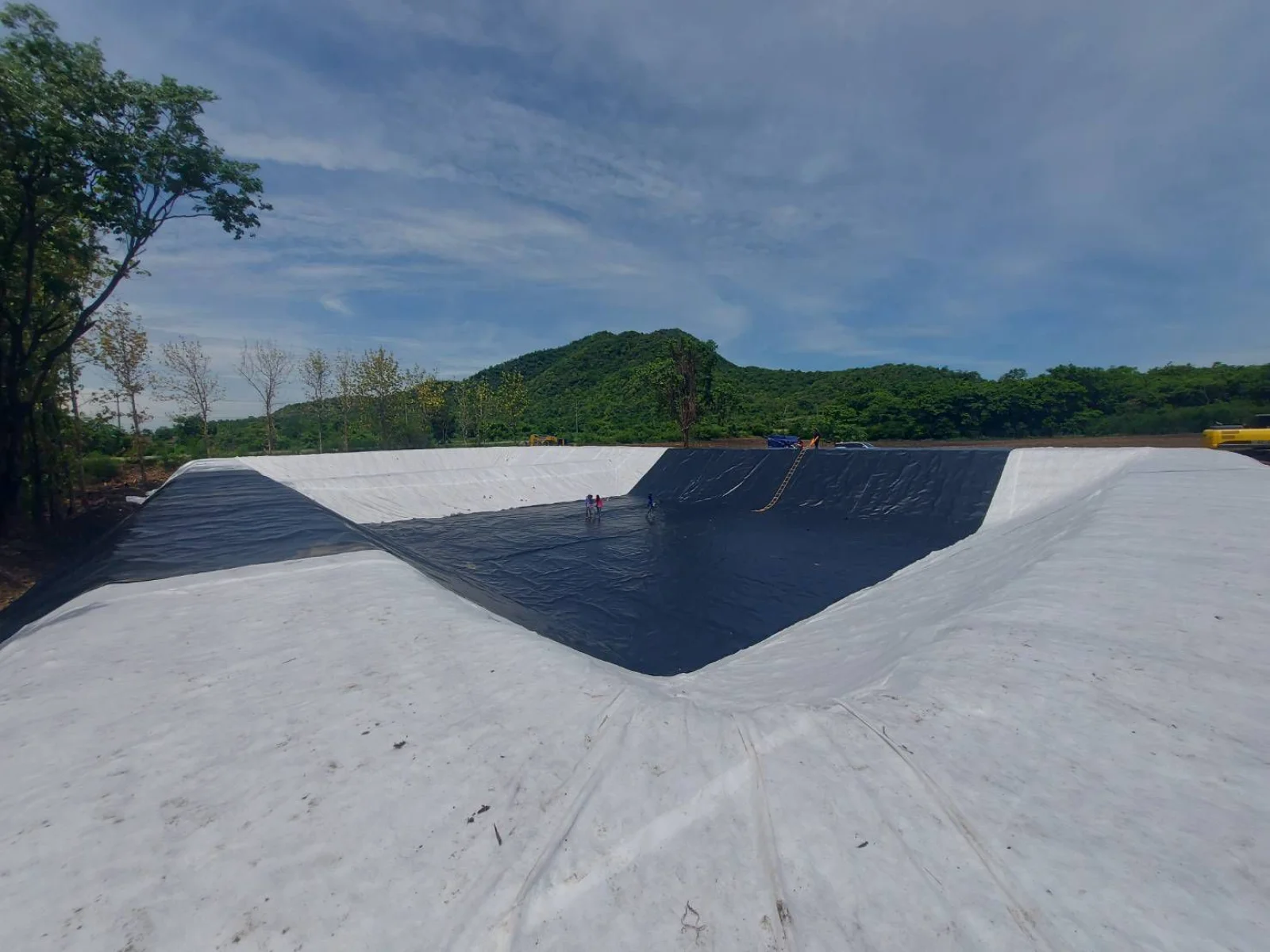
Filtration
Allows water to pass while helping retain soil particles, reducing unwanted soil migration when appropriately selected for the ground conditions.
Permeability and drainage
Provides a pathway for water flow through the fabric and may help manage water within a designed drainage system.
Soil separation
Helps keep adjacent soil and aggregate layers from mixing, supporting the intended function of each layer.
Erosion-control support
Can help retain soil in appropriately designed systems exposed to water movement, including selected slopes and hydraulic applications.
Flexible construction
The needle-punched nonwoven structure can conform to site contours and is practical to handle and place.
Puncture and environmental resistance
The source product information identifies puncture resistance and chemical stability. Verify product-specific performance and exposure limits in the approved technical data.
Practical installation
Its lightweight, flexible format can support efficient handling and installation when used according to the project requirements.
Nonwoven geotextiles perform different functions depending on where they are placed in a soil, aggregate, pavement, or hydraulic structure. The fabric’s pores allow water to pass through, while the structure can help retain soil particles. When positioned between dissimilar materials, it can also help limit their intermixing.
In drainage and filtration applications, the geotextile must be selected to suit the soil gradation, water flow, and site conditions. In separation applications, correct placement and adequate overlap are important. Product selection and installation should follow project-specific engineering details and the applicable technical data.
Innovative solutions for filtration, separation, drainage, protection, and reinforcement.
TechGeo can be placed between the subgrade and an aggregate layer to help prevent the materials from mixing. Maintaining separation can help preserve the function of the aggregate layer and support pavement or trackbed performance when the product is selected for the site conditions.
Applications
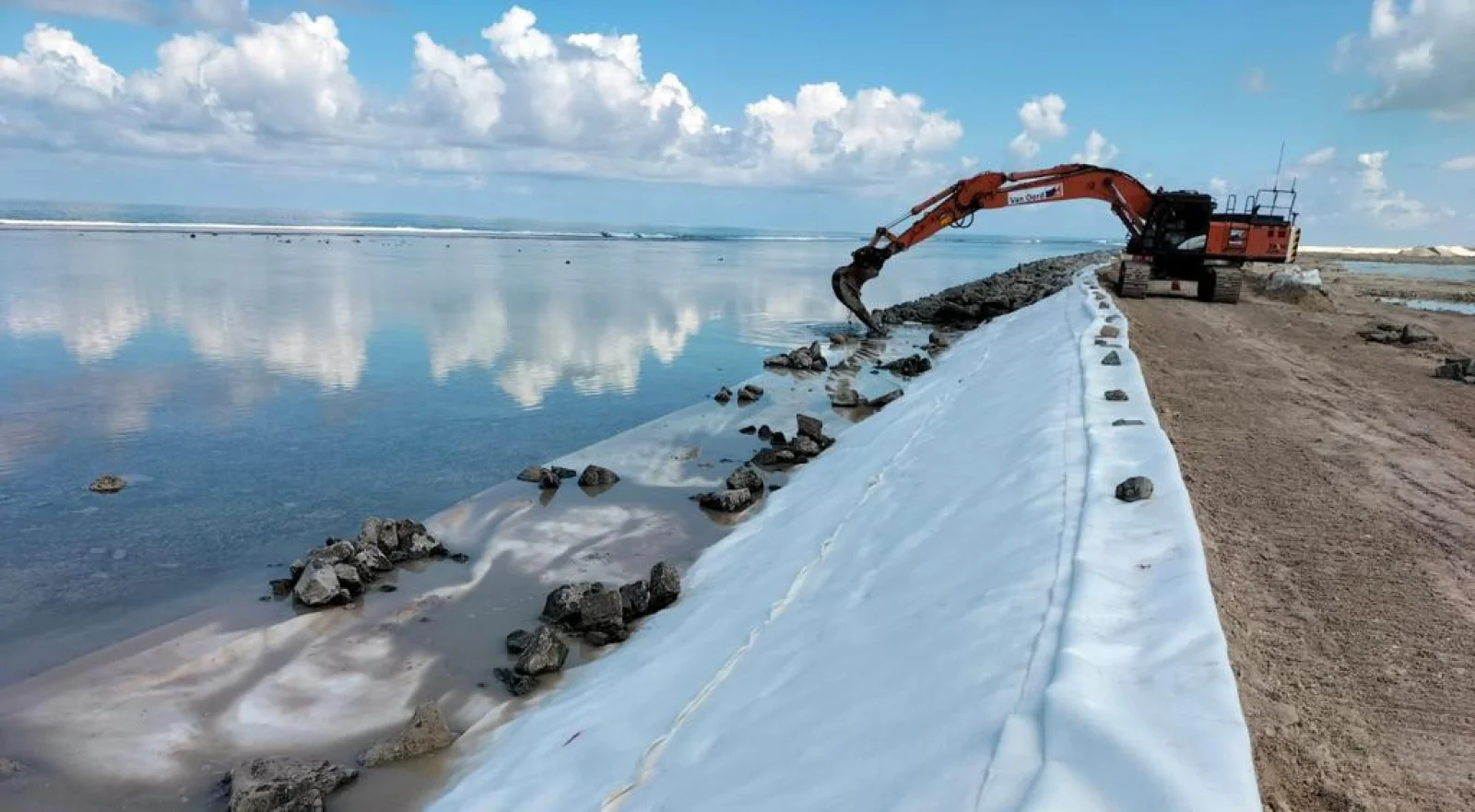
Hard armor systems, such as rock or other protective coverings, may need a filtration layer beneath them to help retain the underlying soil while allowing water to move through the system. TechGeo can be considered for this role when its filtration properties meet the project requirements.
Applications
Geotextile bags and containers are used in certain hydraulic, shoreline, and flood-protection applications. A geotextile selected for bag or container construction must meet the applicable requirements for strength, filtration, seams, filling, handling, and exposure. Confirm the intended TechGeo grade and system design before specifying it for this use.
Applications
TechGeo is listed in the source product information for paving-related applications. In pavement rehabilitation, geotextile fabrics may be incorporated into a designed paving system to address specific moisture-management or pavement-performance objectives. The exact function depends on the product grade, treatment or impregnation, pavement design, and installation method.
Applications
 European Conformity (CE)
 ISO 9001
 Bureau of Indian Standards (BIS)
 Geosynthetic Accreditation Institute (GAI-LAP)
 National Accreditation Board for Testing and Calibration Laboratories (NABL)European Conformity (CE)ISO 9001Bureau of Indian Standards (BIS)Geosynthetic Accreditation Institute (GAI-LAP)National Accreditation Board for Testing and Calibration Laboratories (NABL)


Review the applicable installation guidance for placement, overlaps, handling, and protection of the geotextile within the relevant construction system.
Link to available installation videos that demonstrate relevant geotextile handling and application procedures.
Connect with our engineering team for expert guidance
TechGeo is a permeable geosynthetic fabric made from polypropylene (PP) staple fibers bonded by needle-punching. It is designed for applications such as filtration, separation, drainage, and selected erosion-control systems.
Needle-punching is a mechanical bonding process in which barbed needles entangle fibers to form a cohesive, porous fabric. The resulting nonwoven structure is flexible and allows water to pass through.
Common functions include filtration, separation, drainage, and support for erosion-control systems. The function achieved on a project depends on the product properties, soil conditions, hydraulic demands, and installation details.
A suitable geotextile allows water to pass through while retaining soil particles. Proper selection is important because the fabric must work with the soil gradation and expected water flow to reduce soil migration without restricting the required flow.
Subgrade separation is one of the stated applications. TechGeo may be placed between the subgrade and aggregate layer when its properties meet the project design requirements. Site conditions and construction details should guide product selection and installation.
The source information lists railways among the applications for subgrade separation. The product may be considered for appropriate trackbed or earthwork applications when its filtration, separation, and mechanical properties meet the railway project specifications.
Hard armor filtration uses a filter layer beneath protective materials such as rock to help retain the underlying soil while allowing water to pass. The geotextile must be selected for the soil, water-flow conditions, and design of the protection system.
The source product page identifies coastal protection, riverbank protection, and dam or reservoir protection as applications. Use in a specific hydraulic structure depends on filtration requirements, hydraulic loading, product properties, and the overall engineered design.
Geotextile bags and containers are listed as an application category in the source material. Not every geotextile grade is suitable for every bag or container system. Confirm tensile strength, seam strength, filtration, filling, handling, and environmental requirements for the intended design before specifying the product.
The source material lists paving fabrics and a moisture-barrier application. However, a porous nonwoven geotextile does not automatically function as a waterproof barrier on its own. Confirm the intended paving system, product grade, any required treatment or impregnation, and supporting technical documentation before making this claim on the website.
Permeability describes the ability of water to flow through a material. For filtration and drainage, the geotextile must allow the required flow while working with the surrounding soil to retain particles. The required properties depend on the site’s hydraulic conditions and design.
The source product information describes TechGeo as chemically stable and resistant to biological degradation. Confirm the specific product’s test data and compatibility with the chemicals, soil, water, temperature, and exposure conditions expected at the project site.
Review the properties relevant to the intended function, as listed in the current technical data sheet. Depending on the application, these may include mass per unit area, thickness, tensile strength, puncture resistance, apparent opening size, and water-flow characteristics. The design engineer should identify the criteria that apply to the project.
Use the current TechGeo Nonwoven Geotextile technical data sheet, product brochure, installation manual, and applicable videos provided by Techfab USA. Check that the documents correspond to the product grade and application being considered.