Ports & Logistics

Ports, container terminals, logistics parks, and industrial storage facilities experience heavy static and cyclic loads from container stacks, reach stackers, rubber-tyred gantries (RTGs), trailers, and material-handling equipment. Geosynthetic engineering solutions strengthen and stabilise weak foundation soils, enabling the safe and economical development of high-load infrastructure on challenging ground conditions.

Ports & Logistics banner

Solutions

Products

Success Stories

Ports & Logistics Engineering Solutions

01

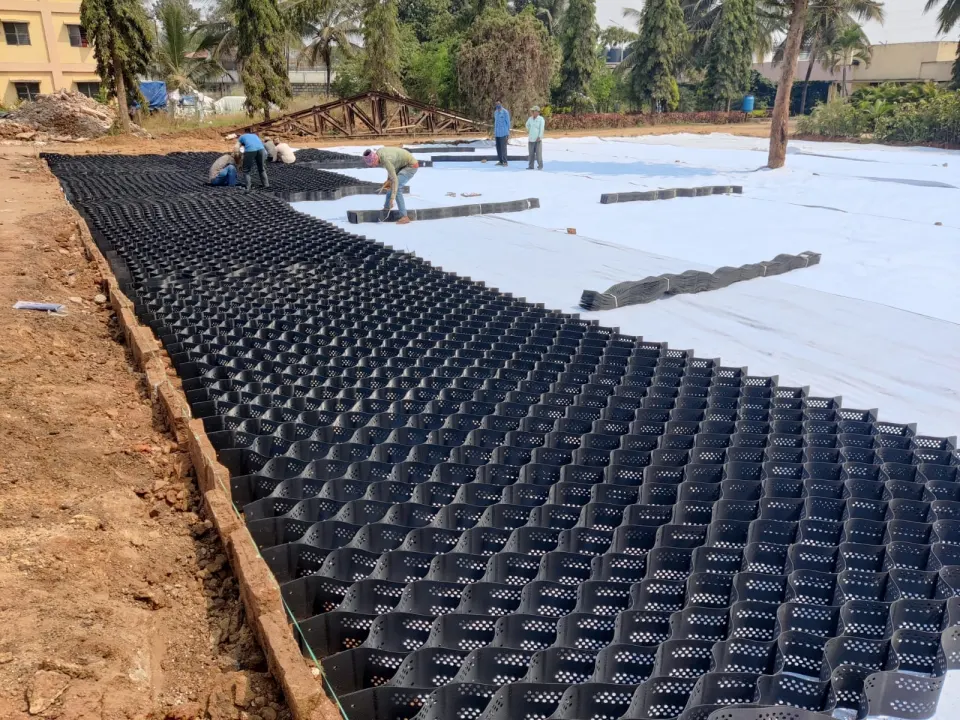
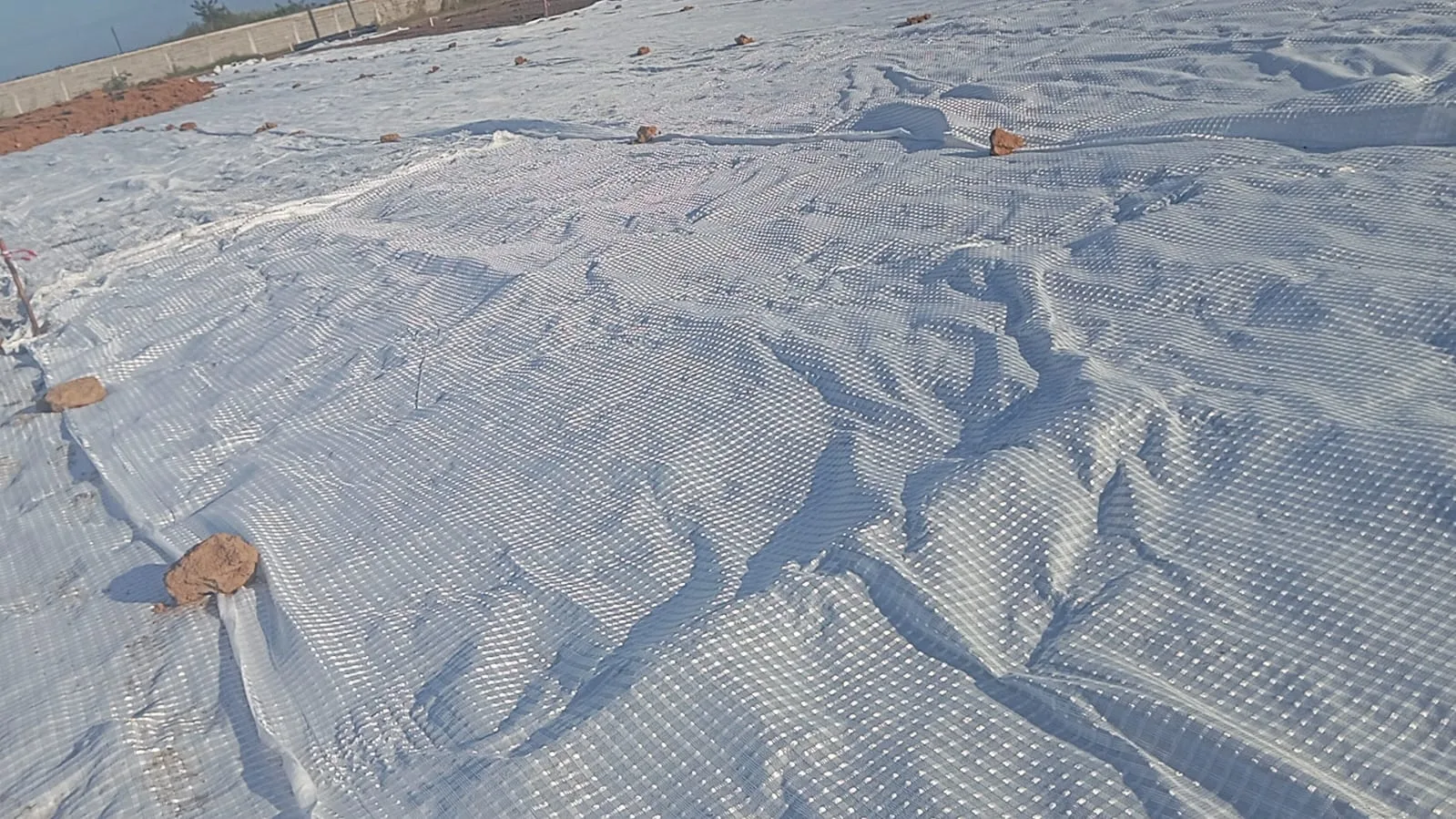
Shallow ground improvement at a ports site

Shallow Ground Improvement

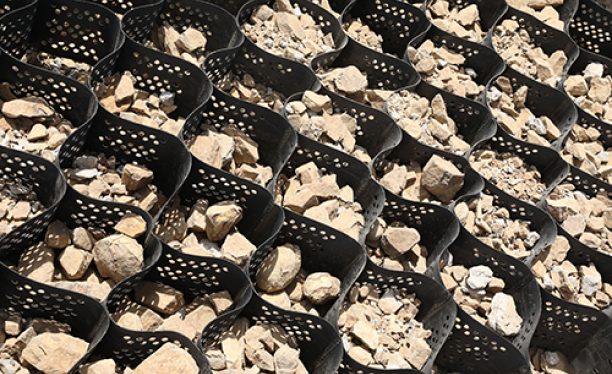
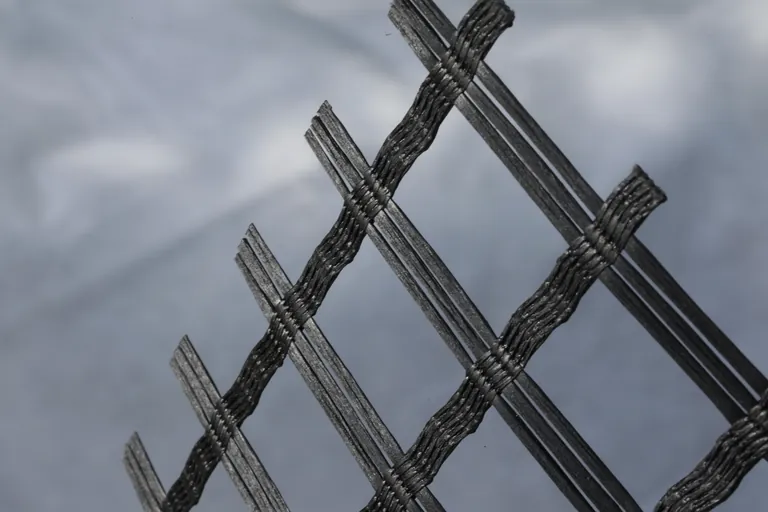
Shallow ground improvement techniques enhance the strength and stiffness of weak soils by reinforcing the ground and increasing its resistance to shear failure. These solutions are widely applied where immediate load-carrying capacity and embankment support are essential. Our expertise includes geosynthetic reinforcement solutions, such as geocells and biaxial geogrids, tailored to challenging site conditions.

Applications

  • Container Yards & Storage Areas
  • Reclaimed & Soft Ground Sites
  • Heavy-Duty Pavements
  • Embankment Support

Key Benefits

  • Increased bearing capacity for heavy container and equipment loads.
  • Enhanced performance of heavy-duty pavements.
  • Improved stability of soft and reclaimed ground.
  • Reduced differential settlement across operational areas.
  • Optimised ground improvement costs through engineered solutions.
  • Faster construction and earlier operational readiness.
Know More

02

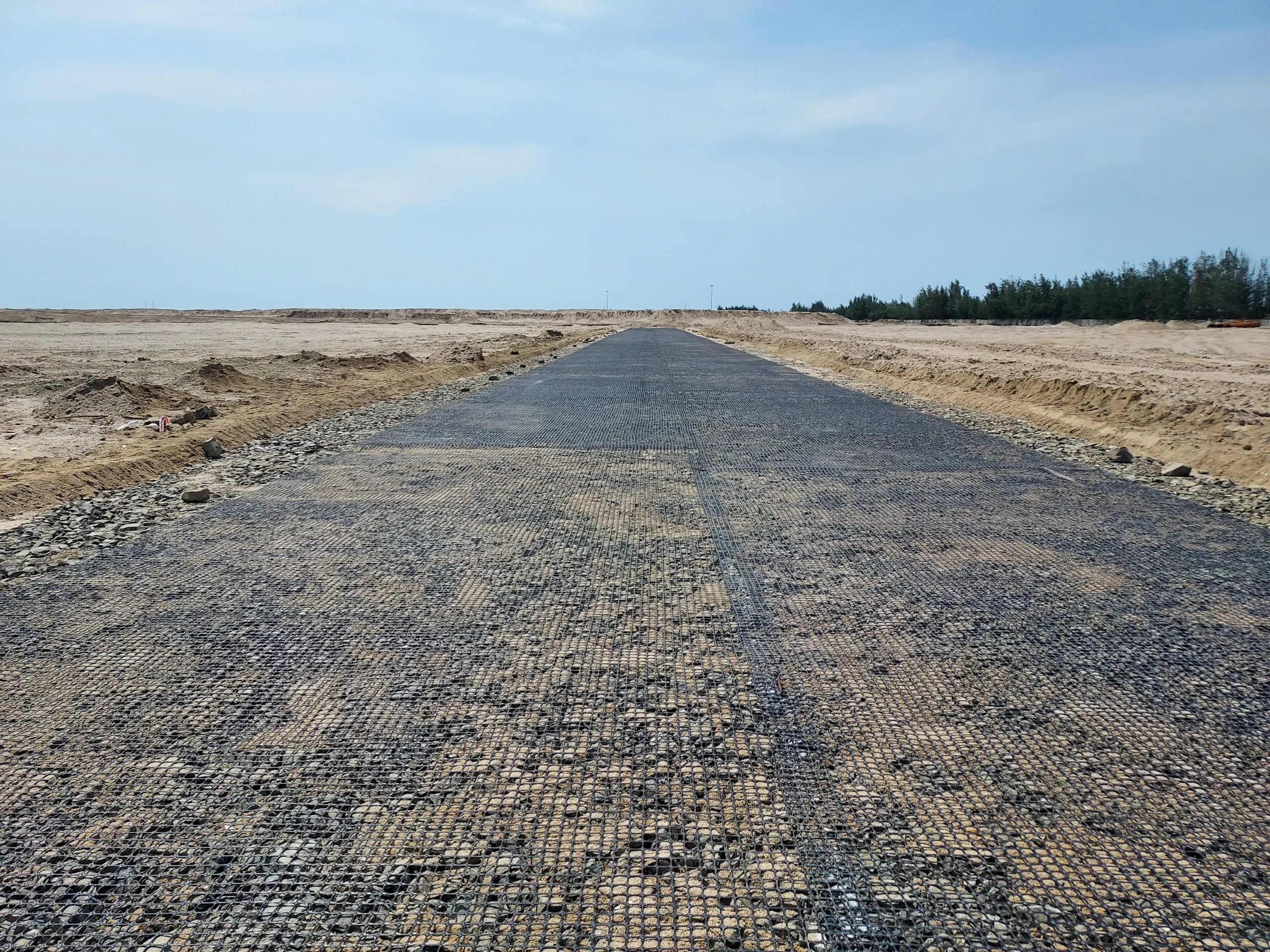
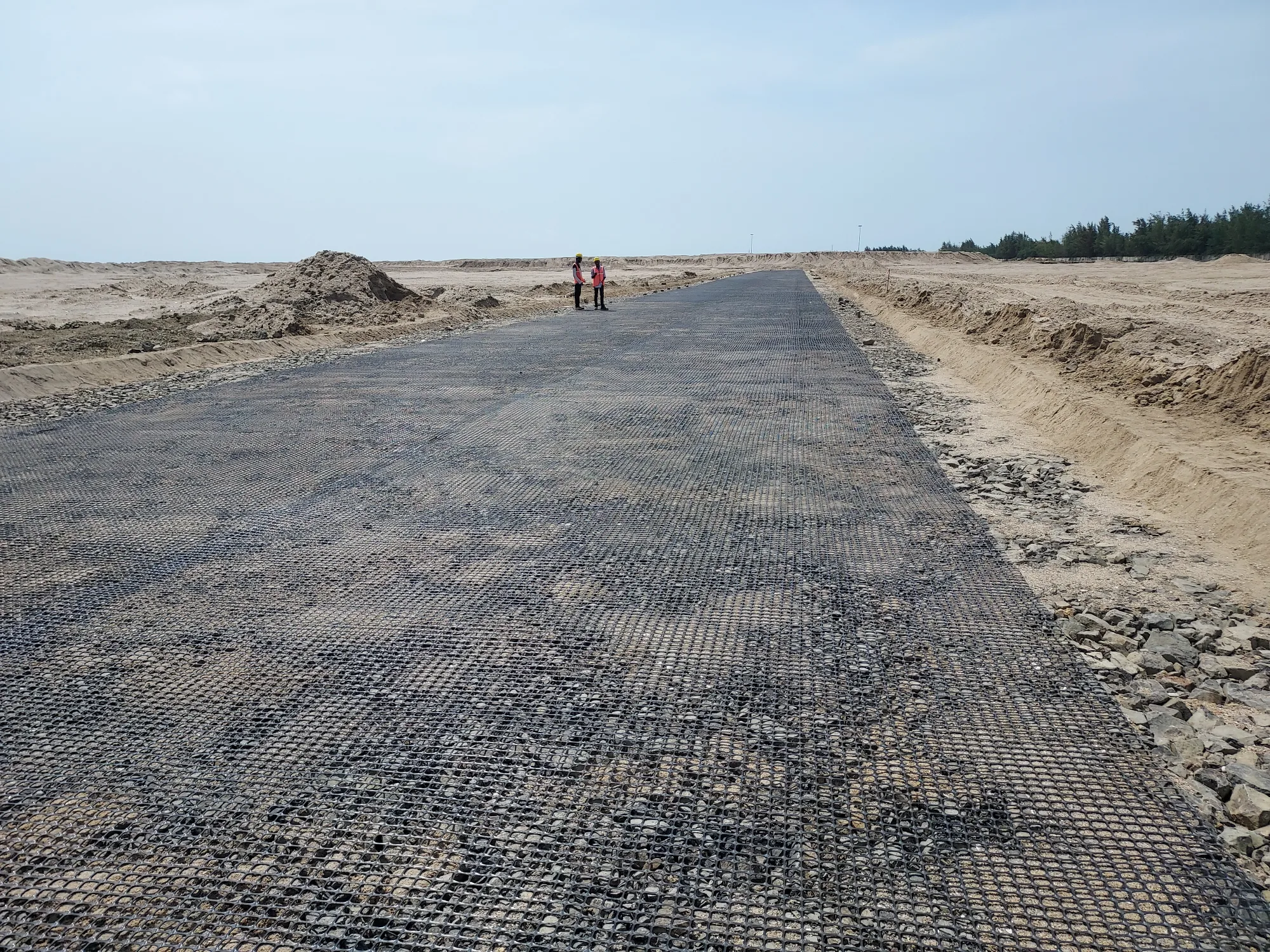
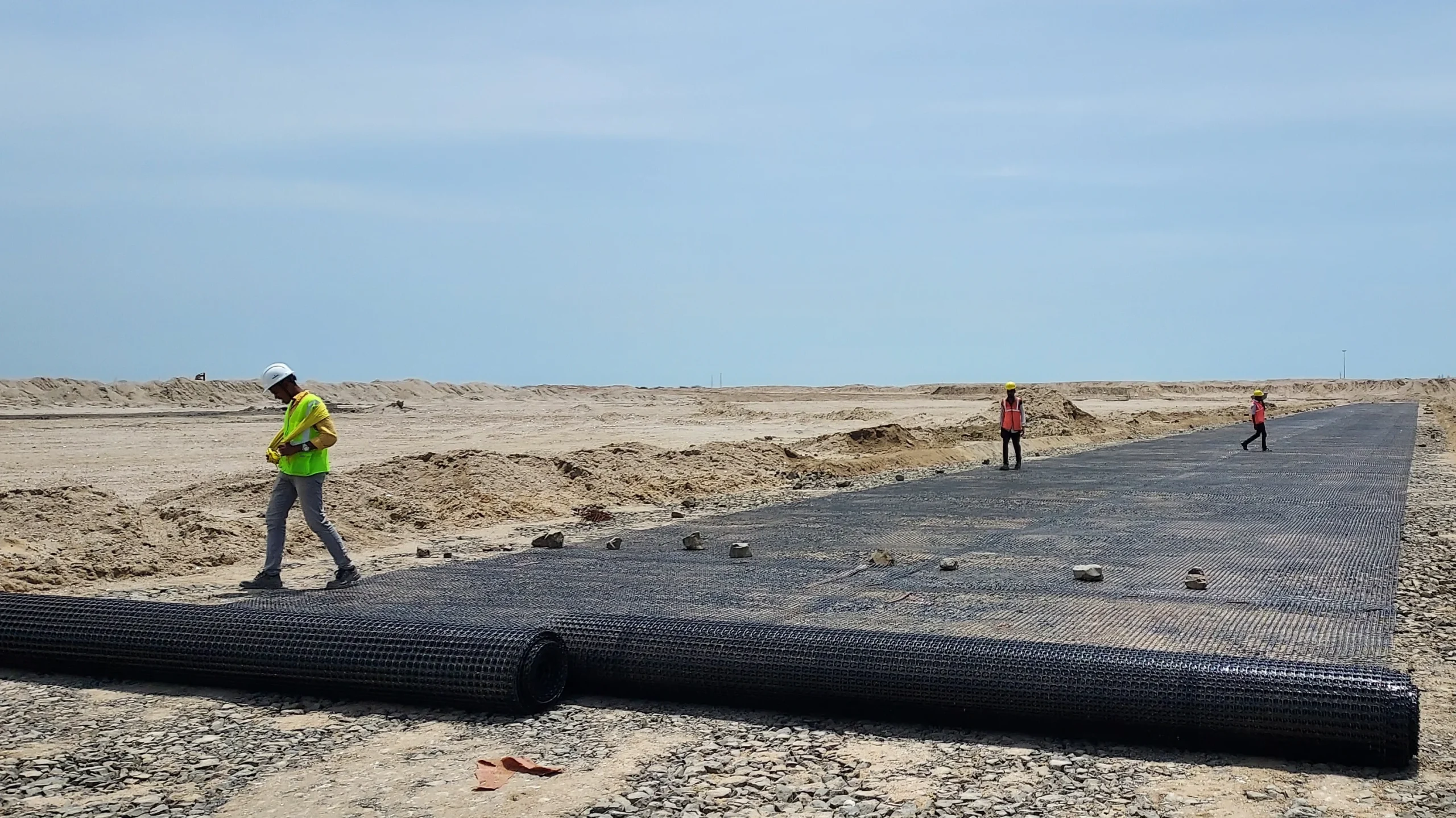
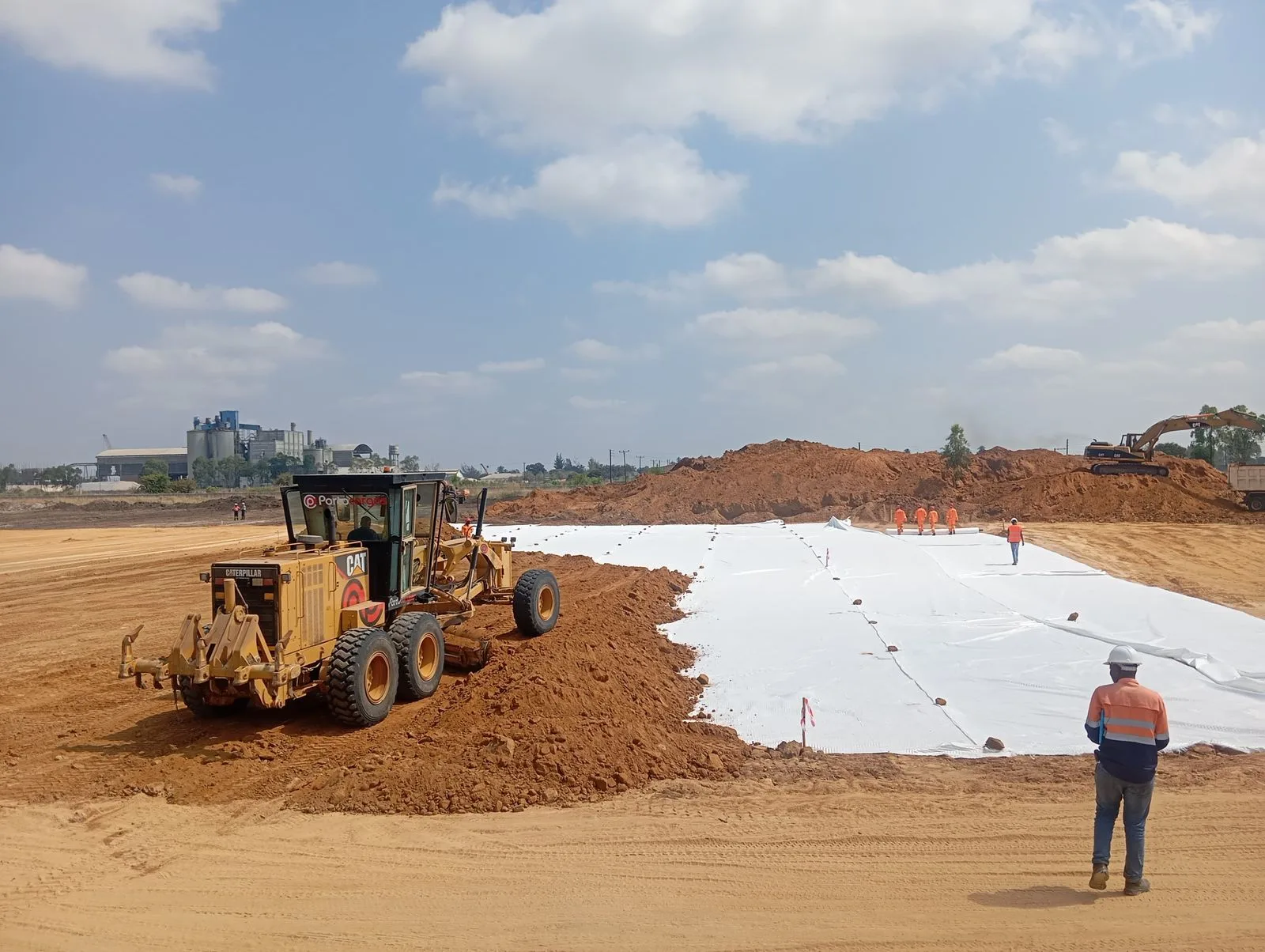
Subgrade stabilization access road at a ports site

Subgrade Stabilization

Our heavy-duty pavement and subgrade stabilisation solutions use advanced geosynthetic reinforcement systems, including geocells and biaxial geogrids, to improve load distribution, enhance pavement performance, reduce construction costs, and ensure long-term durability.

Applications

  • Container Yard Pavements
  • Internal Roads & Hardstands
  • Heavy Repetitive Traffic Areas
  • Weak & Variable Subgrades

Key Benefits

  • Improved load distribution and reduced rutting.
  • Enhanced performance on weak and variable subgrades.
  • Increased pavement life under heavy, repetitive loading.
  • Sustainable solution through reduced material consumption.
  • Faster construction with optimised pavement sections.
  • Reduced aggregate thickness and construction cost.
  • Success Stories
  • 10. Ground Improvement for Container Yard and Storage Warehouse at Dondo Logistics Terminal, Mozambique
  • 15. Ground Improvement Works for Container Yard at DP World Terminal, Kandla, Gujarat
  • 39. Ground Preparation for Construction of Oil Storage Tanks at Iran
  • 53. Ground Improvement for East Coast Road Linkage Project, Guyana
  • 74.GROUND PREPARATION FOR CONSTRUCTION OF DEDICATED FREIGHT CORRIDOR FROM JNPT TO VAITARNA, MAHARASHTRA
  • 3. Pavement Stabilization at Mundra Port, Gujarat
  • Tags
  • Solutions: Shallow Ground Improvement, Deep Ground Improvement, Subgrade Stabilization
  • Products: TechCell Geocell, TechGrid PP Biaxial Geogrid, TechGeo PP Nonwoven Geotextile, TechGeo PP Woven Geotextile, TechDrain PVD, TechGrid PET Biaxial Geogrid, Techgrid PP Tri axes Geogrid
Know More

03

Industrial & Logistics Applications

Industrial & Logistics Applications

Industrial and logistics facilities often include large warehouses, storage yards, container handling areas, and heavy-duty operating surfaces. These facilities require high load-bearing capacity, uniform ground performance, and limited settlement across large areas. Such projects are frequently constructed over soft, reclaimed, or variable subsoil. Basal reinforcement systems can improve SBC, distribute static and dynamic loads, and support the construction of stable working and pavement platforms. In logistics zones, controlled settlement is essential for maintaining pavement integrity, smooth vehicle movement, drainage performance, and operational efficiency. TechFab provides reliable and cost-effective ground improvement solutions tailored to the requirements of industrial and logistics infrastructure.

Know More

Ready to Start Your Ports & Logistics Project?

Connect with our ports and logistics infrastructure specialists for technical support and product recommendations.

Frequently Asked Questions
(FAQs)

Ports, container terminals, logistics parks, and industrial storage facilities are subjected to heavy static and cyclic loads from container stacks, reach stackers, RTGs, trailers, and material-handling equipment. Ground improvement strengthens weak soils and enables safe, economical development of high-load infrastructure on challenging ground conditions.

The main solution areas are shallow ground improvement, deep ground improvement, and subgrade stabilisation. These can be used individually or in combination, depending on soil conditions, loading requirements, and project objectives.

Shallow ground improvement enhances the strength and stiffness of weak soils by reinforcing the ground and increasing its resistance to shear failure. It is commonly used where immediate load-carrying capacity and embankment support are required.

Typical solutions include geocells and biaxial geogrids. These reinforcement systems are tailored to challenging site conditions and help distribute loads more effectively through the improved ground layer.

It is suitable for areas requiring increased bearing capacity for heavy container and equipment loads, improved stability of soft or reclaimed ground, and enhanced performance of heavy-duty pavements.

Key benefits include increased bearing capacity, improved pavement performance, reduced differential settlement, optimised ground improvement costs, faster construction, and earlier operational readiness.

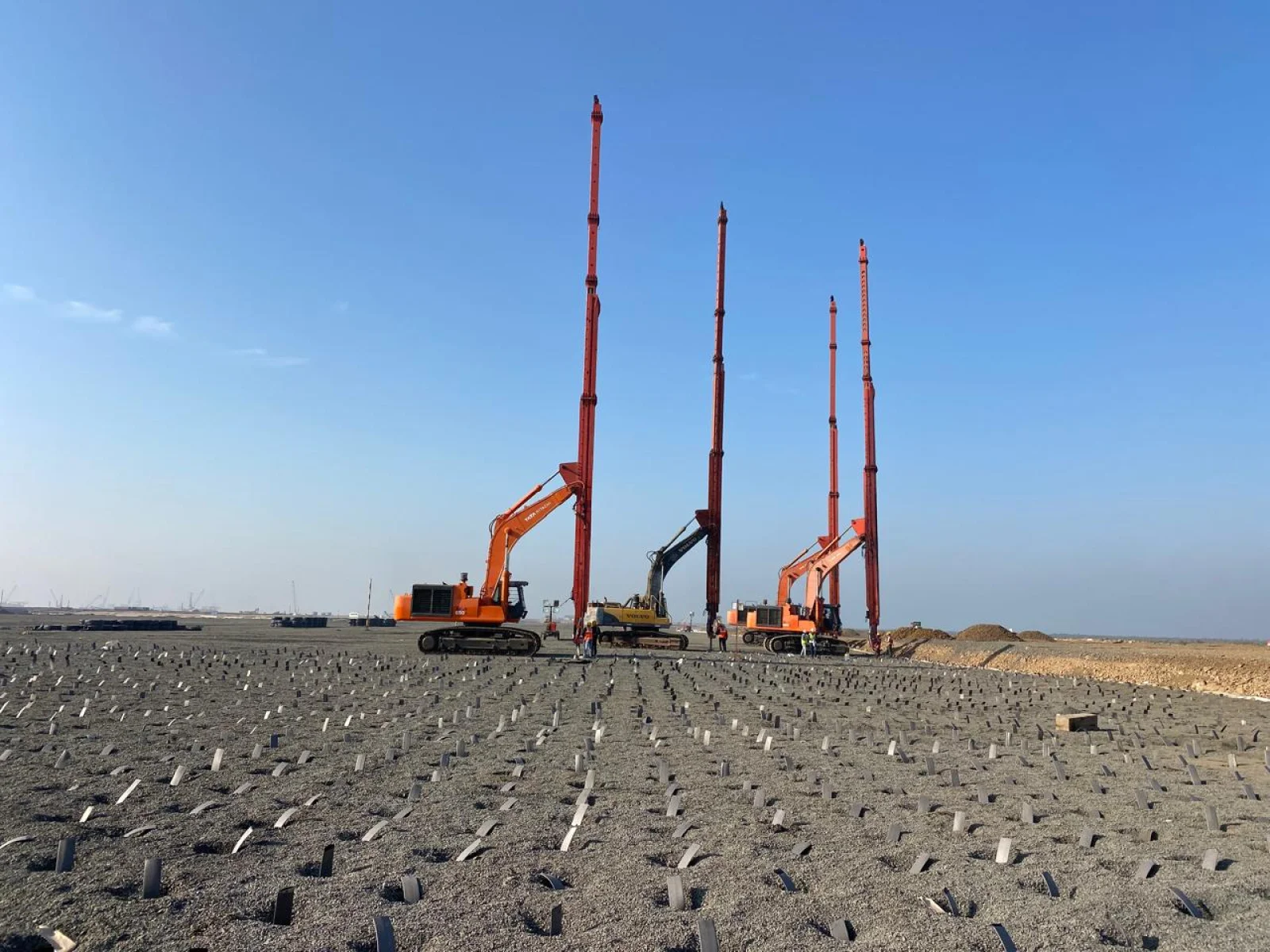
Deep and consolidation-based ground improvement techniques accelerate the settlement and strength gain of soft soils before construction. This helps ensure the long-term performance and serviceability of critical infrastructure.

A PVD is a geosynthetic drainage product installed vertically through soft, compressible soils. It provides a shorter drainage path for pore water, accelerating consolidation and increasing soil strength before construction loads are applied.

PVDs are used where soft and compressible soils require accelerated consolidation, reduced post-construction settlement, and improved load-carrying capacity prior to development.

Benefits include accelerated consolidation, reduced post-construction settlement, improved soil strength, faster project delivery, and a cost-effective alternative to deep foundations or soil replacement.

Subgrade stabilisation improves the performance of weak or variable soils beneath pavements and operational areas. Geosynthetic reinforcement helps distribute loads, reduce deformation, and create a more stable working platform.

Geocells and biaxial geogrids are commonly used. They improve load distribution, reduce rutting, and allow optimised pavement sections with reduced aggregate thickness.

By improving load distribution and pavement performance, geosynthetics can reduce the required aggregate thickness, lower material consumption, and shorten construction time—resulting in overall cost savings.

Yes. Shallow and deep ground improvement solutions can be engineered for soft, variable, and reclaimed ground conditions to improve stability and support heavy operational loads.

Yes. Subgrade stabilisation systems are specifically designed to enhance pavement performance under heavy, repetitive loading from container handling equipment, trailers, and industrial vehicles.

Yes. Ground improvement solutions can be engineered around project-specific soil conditions, loading requirements, settlement criteria, drainage needs, and construction programme constraints.