Geosynthetic interlayer systems strengthen asphalt overlays, control reflective cracking, and improve the structural performance of airport pavements. By distributing stresses more effectively and delaying crack propagation, these systems extend pavement service life, reduce maintenance needs, and minimize operational disruptions.
They are widely used for runway rehabilitation, taxiway stabilization, apron rehabilitation, and asphalt overlay reinforcement, delivering durable and high-performance pavement solutions for airport infrastructure.
Overview
Products
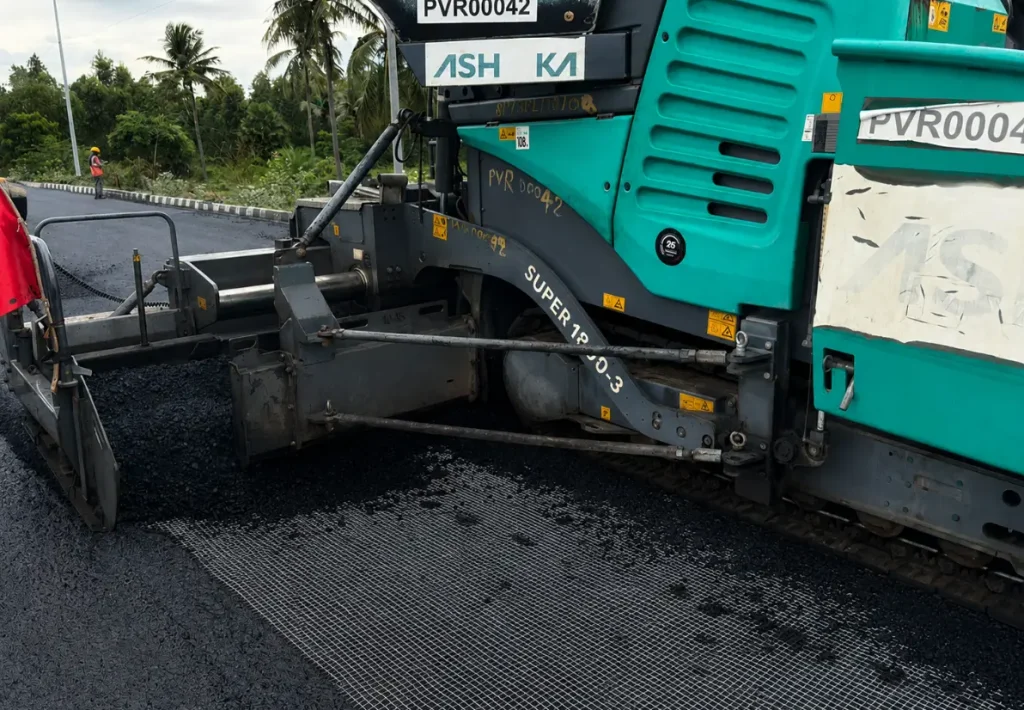
Overlay stabilization is a proven pavement rehabilitation approach for restoring the performance of aging airport surfaces while minimizing disruption to airport operations. TechFab provides engineered geosynthetic interlayer systems that enhance asphalt overlay durability, optimize pavement performance, and reduce lifecycle maintenance costs.
These solutions are suitable for the rehabilitation of:
By improving structural performance, distributing traffic and aircraft-induced stresses, delaying crack propagation, and extending pavement service life, TechFab ‘s overlay stabilization systems provide reliable, cost-effective, and sustainable solutions for modern airport infrastructure.
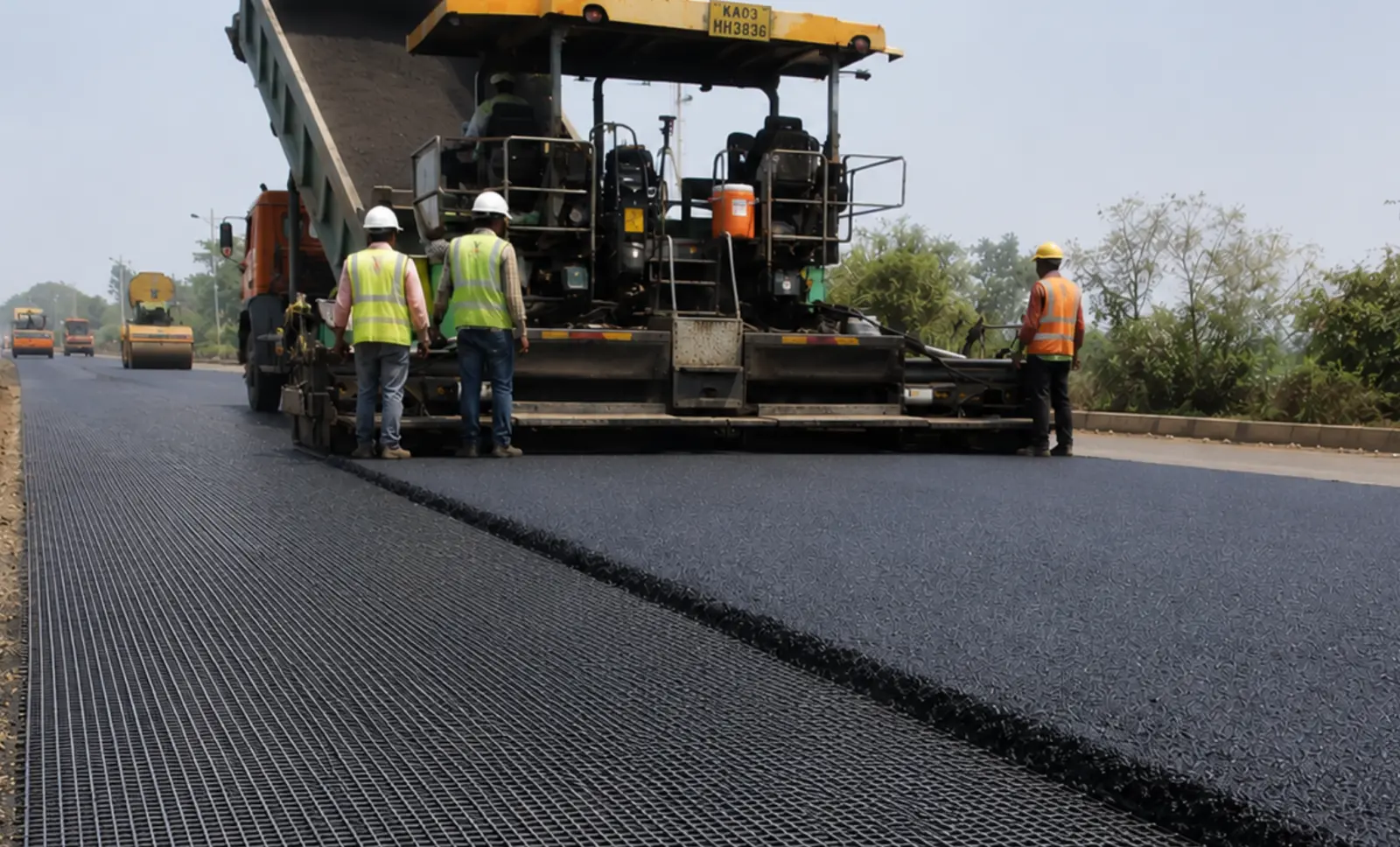
Overlay stabilization is a pavement rehabilitation approach that uses geosynthetic interlayer systems within asphalt overlays to strengthen the pavement, control reflective cracking, and improve long-term structural performance.
Airport pavements are exposed to heavy aircraft loads, repeated traffic, braking forces, fuel exposure, and demanding operating conditions. Overlay stabilization helps improve pavement durability while minimizing maintenance-related disruptions to airport operations.
They distribute traffic and aircraft-induced stresses more effectively, reinforce the asphalt overlay, delay crack propagation, and reduce the development of pavement distress.
Reflective cracking occurs when cracks in an existing pavement layer propagate upward through a newly placed asphalt overlay. Geosynthetic interlayers help slow or control this crack movement.
The interlayer acts as a reinforcing and stress-absorbing layer between the existing pavement and the new asphalt overlay. It helps distribute stresses and delays the upward propagation of cracks.
Overlay stabilization systems can be used for:
The key benefits include:
By reducing crack propagation, improving stress distribution, and limiting pavement distress, the system helps the asphalt overlay remain functional for a longer period.
Yes. By reducing cracking and extending pavement service life, the system can lower the frequency and cost of maintenance and rehabilitation activities.
It supports efficient pavement rehabilitation by improving overlay performance and reducing the need for frequent repairs. This can help airports maintain smoother operations and reduce closures or maintenance-related interruptions.
It is installed as an interlayer beneath a new asphalt overlay to reinforce the pavement, control reflective cracking, and improve resistance to repeated aircraft loading.
The system helps improve the structural performance of taxiways exposed to repeated aircraft movements, turning forces, and heavy wheel loads.
It can be used beneath asphalt overlays on aprons to control pavement distress and improve durability in areas subjected to aircraft parking, maneuvering, and service vehicle traffic.
Yes. It is specifically intended to restore and improve the performance of aging airport surfaces while reducing the need for complete pavement reconstruction.
The related products are:
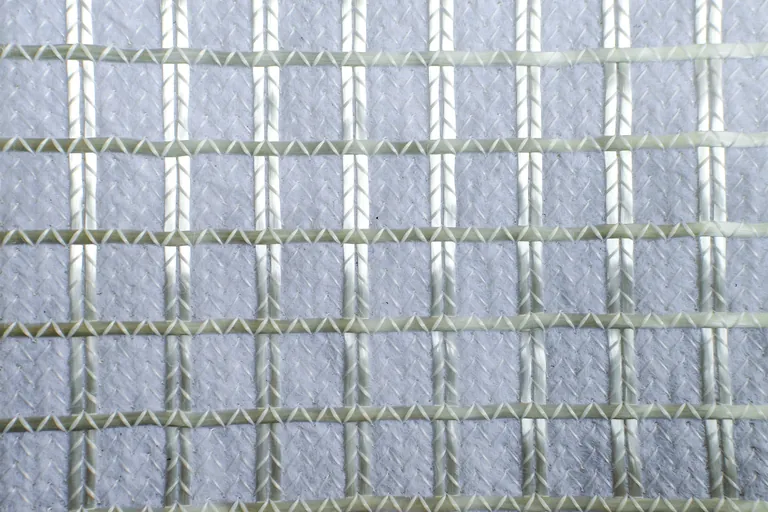
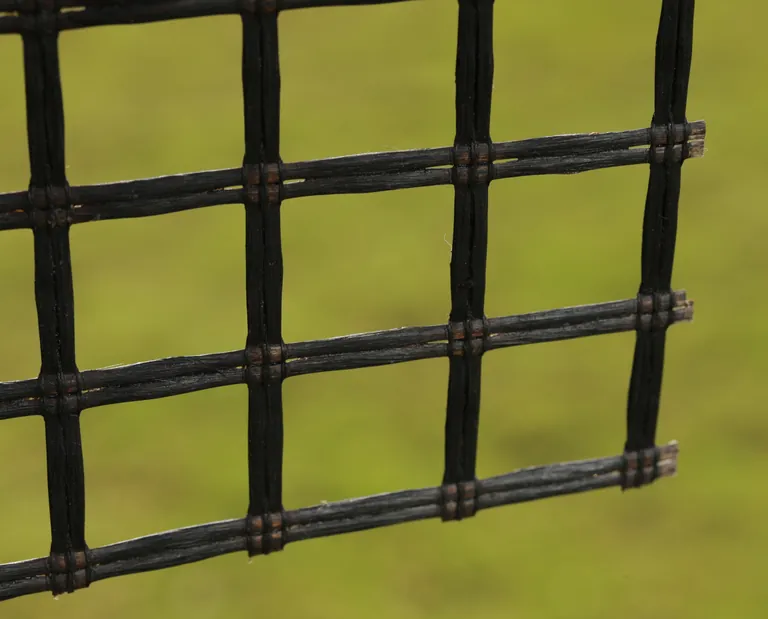
TechGlass AIC is an Asphalt Interlayer Composite designed to reinforce asphalt overlays, distribute stresses, and help control reflective cracking.
TechGlass Grid is a geosynthetic reinforcement product used to improve asphalt pavement performance and help manage traffic-induced stresses and cracking.
Product selection depends on:
It can extend the service life of existing pavement, reduce the need for full reconstruction, minimize material consumption, and lower long-term maintenance requirements.