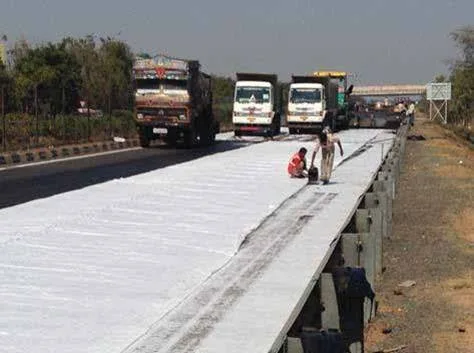
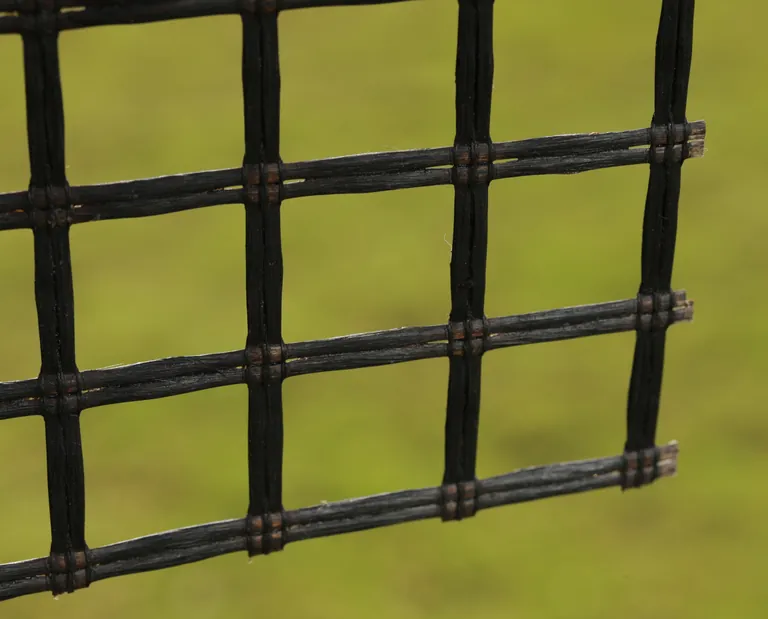
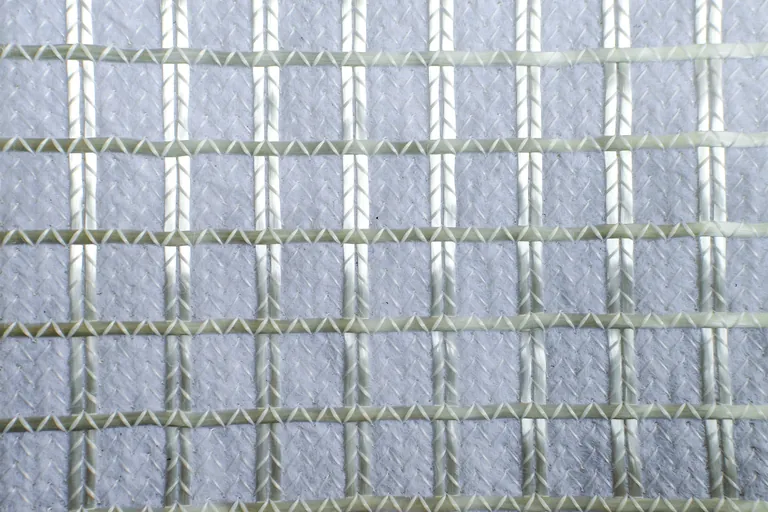
Geosynthetic reinforcement improves the performance of bituminous pavements and overlays by controlling reflective cracking, limiting moisture infiltration, and extending pavement service life. These systems distribute stresses more effectively within the asphalt layer, improve resistance to fatigue, and protect underlying pavement layers from environmental deterioration.
They are widely used for asphalt overlay reinforcement, reflective crack mitigation, moisture protection, and improving the long-term performance of pavement rehabilitation projects.
Overview
Success Stories
Products
Resources
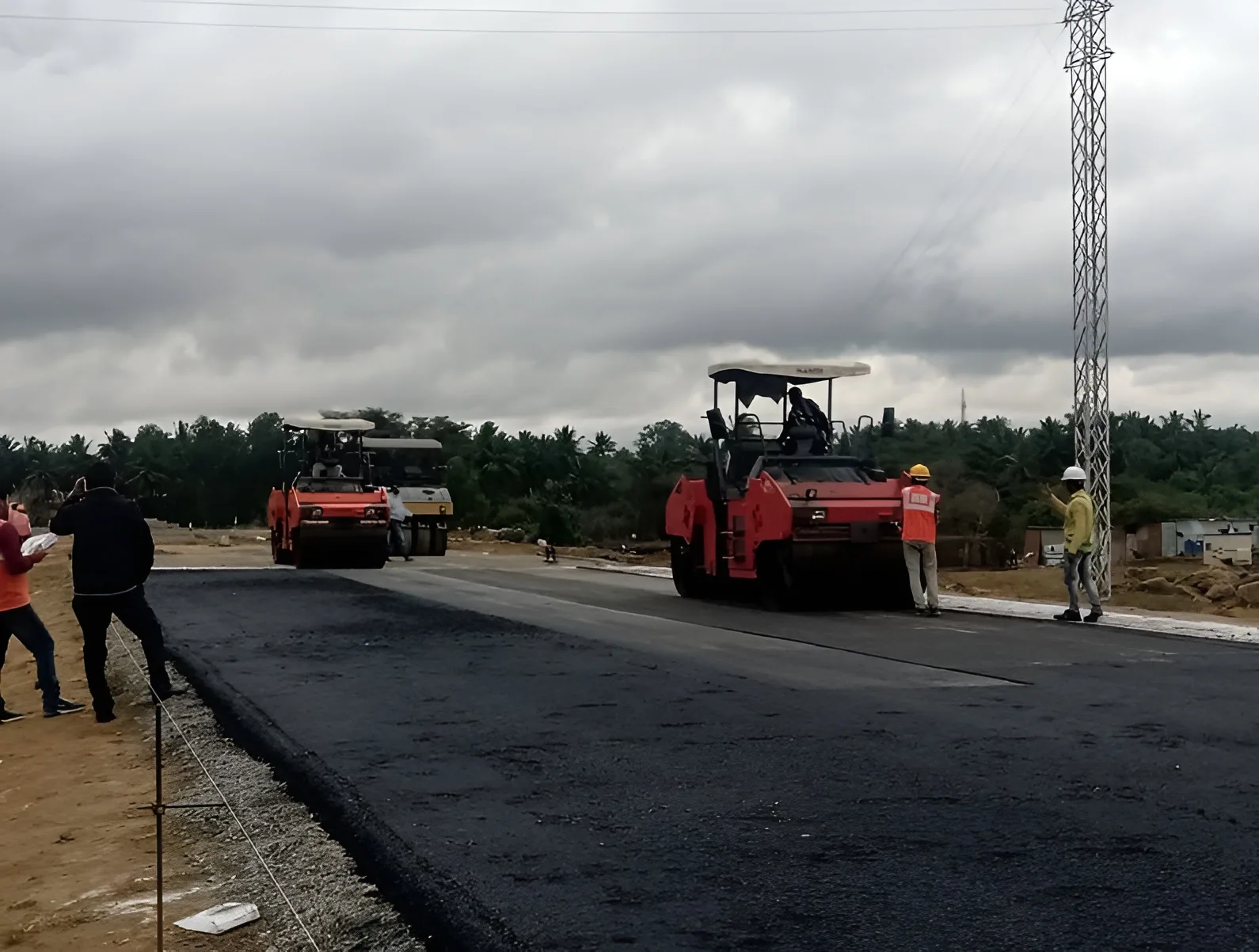
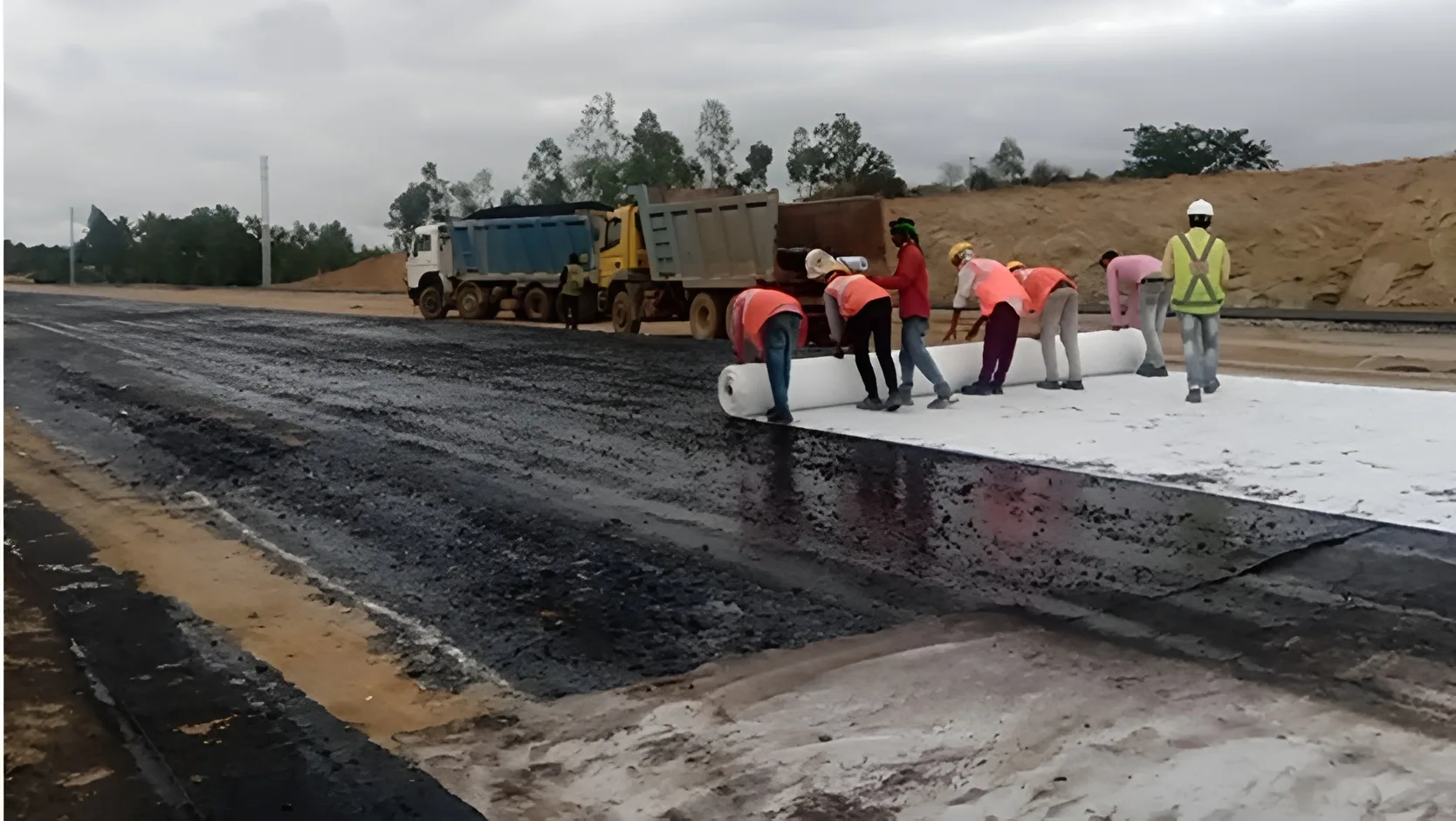
Bituminous overlays are commonly used to rehabilitate existing pavements and extend their service life. However, reflective cracking, repeated traffic loading, fatigue damage, and moisture ingress can reduce the performance and durability of overlay systems.
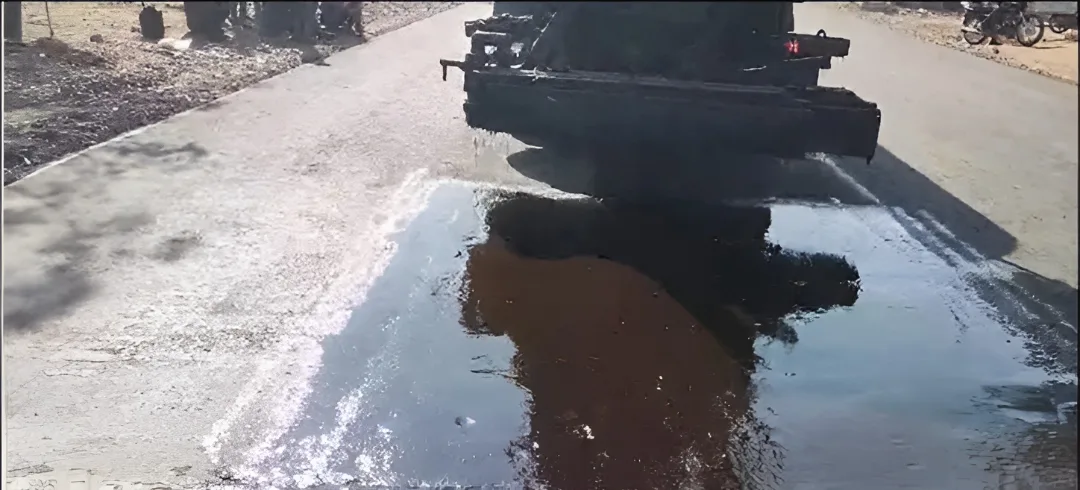
Geosynthetic reinforcement helps address these challenges by strengthening the asphalt layer, improving stress distribution, and controlling crack propagation under repeated loading. These systems can also act as moisture barriers, reducing water penetration and protecting the underlying pavement structure from premature deterioration.
TechFab provides advanced asphalt reinforcement solutions designed to improve overlay performance, increase fatigue resistance, and support long-term pavement durability. These systems are suitable for highways, expressways, airport pavements, urban roads, and pavement rehabilitation projects.
By extending pavement service life and reducing the frequency of repairs, these solutions support more reliable, cost-effective, and sustainable infrastructure management.
Bituminous pavements use asphalt-based materials as the primary surface or structural layer. A bituminous overlay is a new asphalt layer placed over an existing pavement to restore performance, improve ride quality, and extend service life.
Overlays are used to rehabilitate existing pavements, improve structural performance, restore damaged surfaces, and extend the service life of roads, runways, and other paved areas.
Common challenges include:
Geosynthetic reinforcement strengthens the asphalt layer, distributes stresses more efficiently, controls crack propagation, and improves resistance to repeated traffic loading. It can also help limit moisture penetration into the underlying pavement structure.
Reflective cracking occurs when cracks or joints in an existing pavement migrate upward into a newly placed asphalt overlay. This can reduce the durability, appearance, and service life of the rehabilitated pavement.
Geosynthetic interlayers help distribute tensile stresses and restrict the movement of cracks from the existing pavement into the new overlay. This can delay crack propagation and improve overlay performance.
Yes. Reinforcement improves stress distribution within the asphalt layer and helps the overlay withstand repeated traffic loading. This can reduce fatigue-related distress and contribute to a longer service life.
Water infiltration can weaken the asphalt, base, subbase, and subgrade layers. Moisture may reduce material strength, increase deterioration, and accelerate cracking, deformation, and other pavement failures.
Certain geosynthetic interlayers act as moisture barriers by limiting water penetration through the overlay. This helps protect underlying pavement layers from moisture-related weakening and premature deterioration.
The main benefits include:
These systems are suitable for:
TechFab’s related products include:
Yes. Geosynthetic reinforcement systems are widely used in pavement rehabilitation to improve overlay performance, control reflective cracking, reduce moisture-related deterioration, and extend the service life of existing pavements.
Yes. By controlling cracking, improving fatigue resistance, and limiting moisture infiltration, reinforced overlays can reduce the frequency and extent of pavement repairs. Actual maintenance benefits depend on the existing pavement condition, design, construction quality, traffic, and environmental exposure.
Yes. Reinforcement can help delay crack propagation, improve resistance to repeated loading, and protect underlying layers from moisture. These benefits can contribute to longer overlay service life.
Yes. They can be designed for highways, expressways, industrial corridors, and other surfaces subject to repeated or heavy traffic. The reinforcement system must be selected based on traffic loading, pavement condition, and design requirements.
Yes. Reinforced asphalt systems can be used for airport pavements where fatigue resistance, crack control, moisture protection, and reliable long-term performance are important.
They may be used to control or delay reflective cracking, depending on the type, severity, and movement of existing cracks. Severe structural failures, unstable areas, or active movement may require additional repairs before overlay installation.
No. They are part of an engineered pavement rehabilitation or overlay system. The overall pavement design must consider existing conditions, traffic, materials, drainage, overlay thickness, and project-specific performance requirements.
They can support more sustainable pavement management by extending service life, reducing repair frequency, limiting material consumption, and reducing the need for reconstruction. Their environmental benefits depend on correct design, installation, and maintenance.
TechFab can provide support for product selection, pavement assessment, overlay design, installation recommendations, construction guidance, and project-specific technical coordination.