Home / Solutions / Retaining Structures / Reinforced Soil Walls
TechFab’s Reinforced Soil (RS) and Mechanically Stabilized Earth (MSE) Wall systems are engineered earth-retention solutions that integrate carefully selected granular backfill with high-strength geosynthetic or metallic reinforcement and durable facing systems. The interaction between the soil and reinforcement forms a stable composite structure designed to withstand lateral earth pressures, differential settlement, surcharge loads, and other external forces.
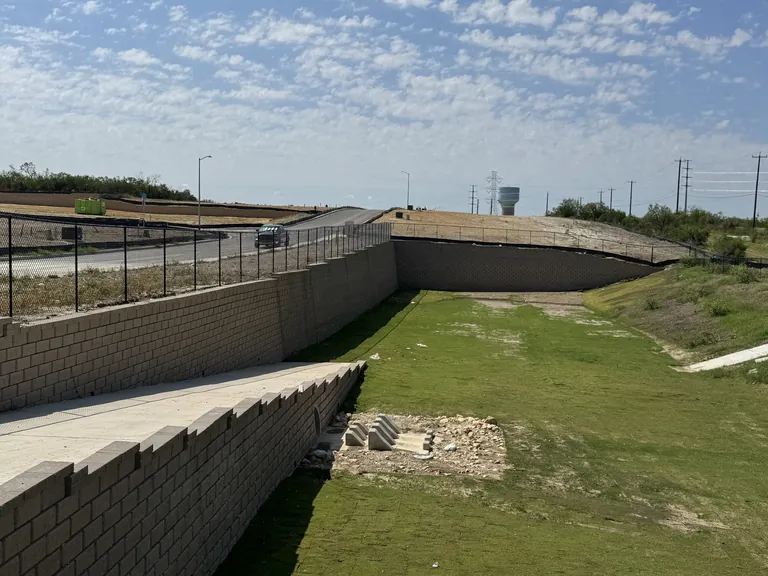
Developed in line with international standards and project-specific geotechnical requirements, TechFab’s MSE wall systems deliver excellent structural performance, construction flexibility, and long-term durability. They are well suited for critical infrastructure applications, including highways, railways, bridge approaches, airports, industrial developments, ports, and urban infrastructure.
Overview
Success Stories
Products
Resources
TechFab offers engineered Reinforced Soil and Mechanically Stabilized Earth systems for efficient, durable, and economical earth-retention applications. These systems combine high-performance geosynthetic reinforcement with engineered backfill and suitable facing elements to form stable retaining structures capable of effectively resisting lateral earth pressures and surcharge loads.
With extensive expertise in geosynthetics and reinforced earth technologies, TechFab develops customized retaining solutions for a wide range of applications, including highways, railways, bridge approaches, flyovers, industrial developments, ports, urban infrastructure, mining projects, and embankment support works. Each system is engineered to provide long-term structural stability while improving construction efficiency and reducing project costs.
Compared with conventional reinforced concrete retaining structures, Reinforced Soil Wall systems offer several advantages:
The modular construction approach allows these systems to be installed efficiently and adapted to different site conditions. TechFab’s Reinforced Soil Wall solutions are available with a range of facing options to meet both structural and architectural requirements. These systems combine high performance, durability, aesthetic flexibility, environmental compatibility, and cost efficiency.
Supported by quality products, technical expertise, and comprehensive engineering assistance, TechFab provides dependable reinforced soil wall solutions for transportation, industrial, commercial, mining, and urban development projects.
Available Systems
1. Discrete Panel Fascia Reinforced Soil Wall System
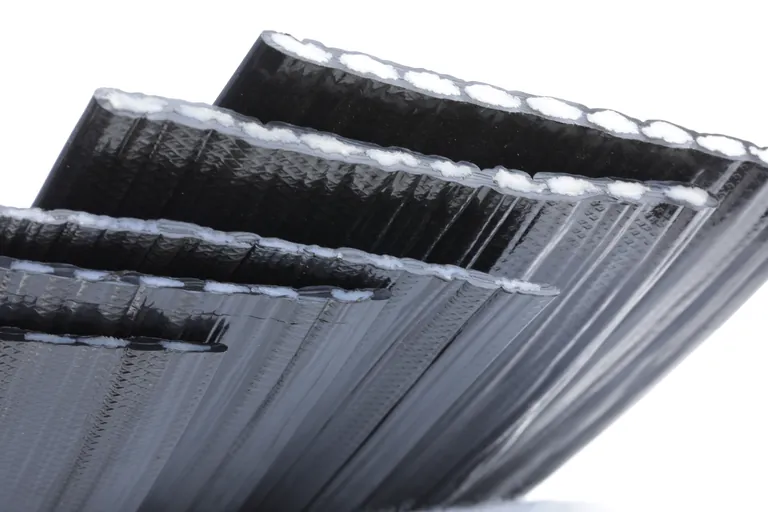
The Discrete Panel Fascia Reinforced Soil Wall System consists of precast concrete facing panels connected using Techcore connectors and mechanically integrated with high-strength TechStrap or TechGrid reinforcement layers. The reinforcement is installed within compacted engineered backfill to create a stable, durable, and efficient reinforced soil structure.
Typical applications: Highway retaining walls, bridge approaches, railway embankments, flyovers, industrial developments, ports, and other infrastructure projects.
2. Segmental Block Fascia Reinforced Soil Wall System
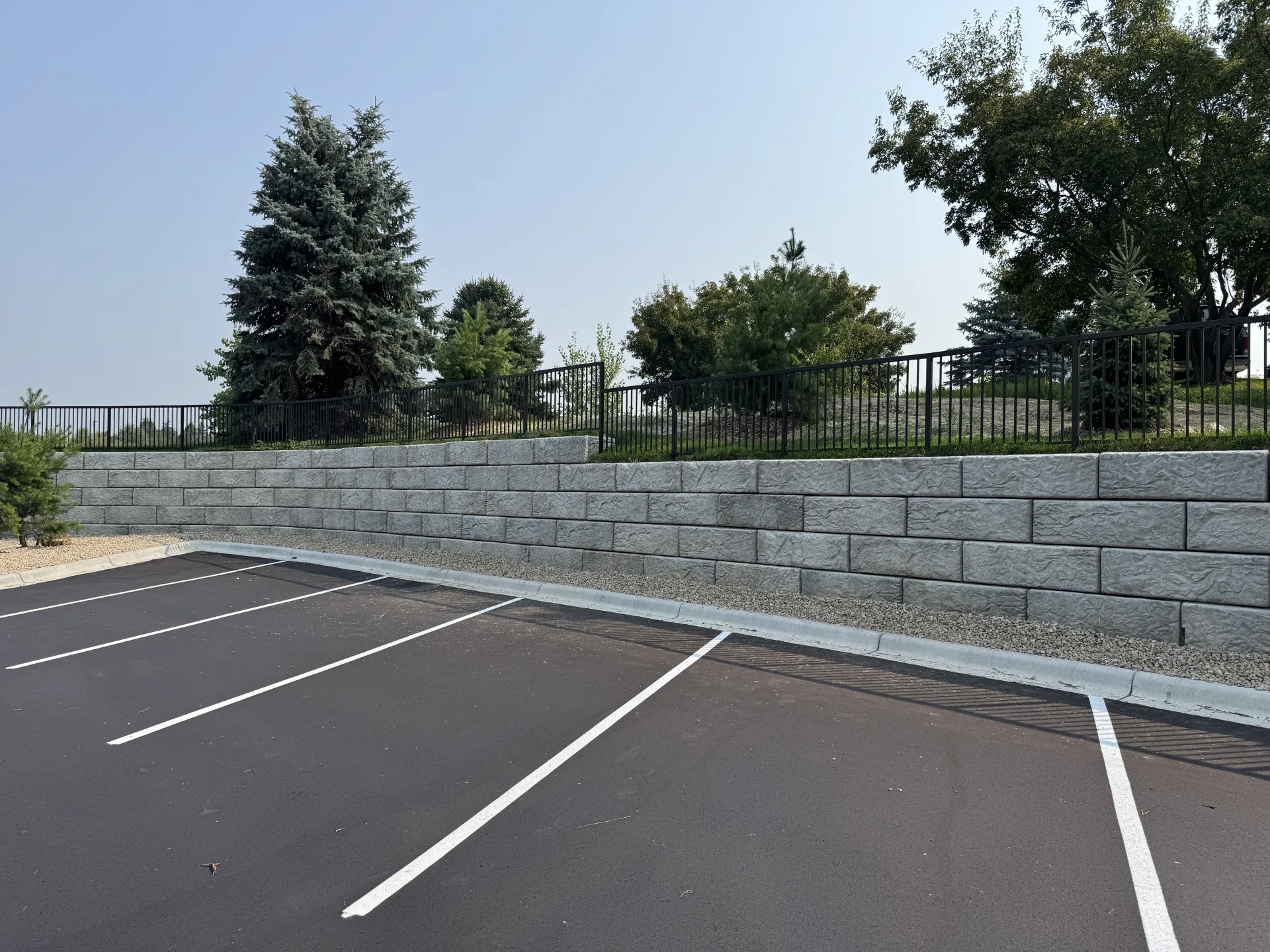
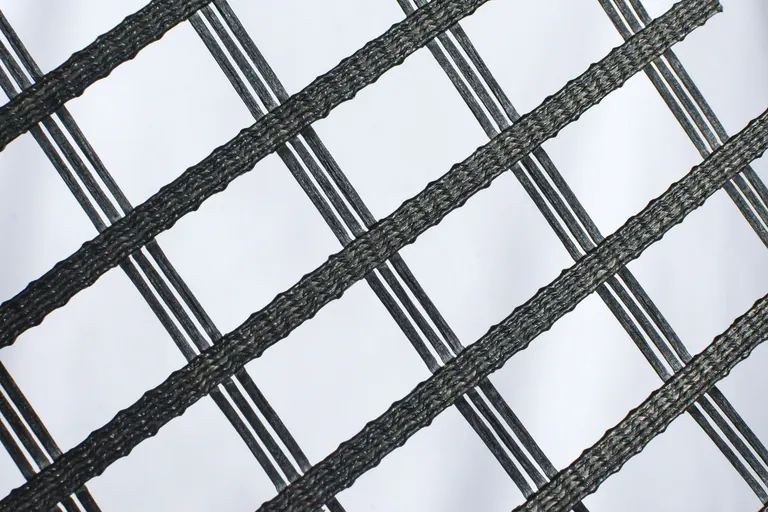
The Segmental Block Fascia Reinforced Soil Wall System combines modular concrete segmental blocks, engineered backfill, and high-strength TechGrid reinforcement layers. These components work together to form a stable, durable, and economical earth-retention structure.
Typical applications: Highway retaining walls, bridge approaches, railway embankments, flyovers, industrial developments, ports, and related infrastructure projects.
3. TechFab Gabion Fascia Reinforced Soil Wall System
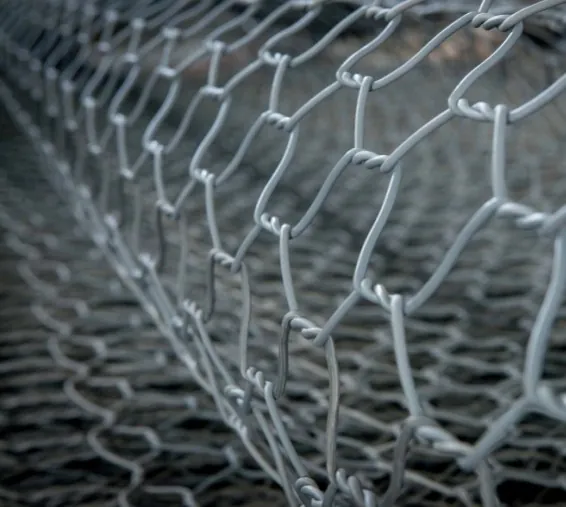
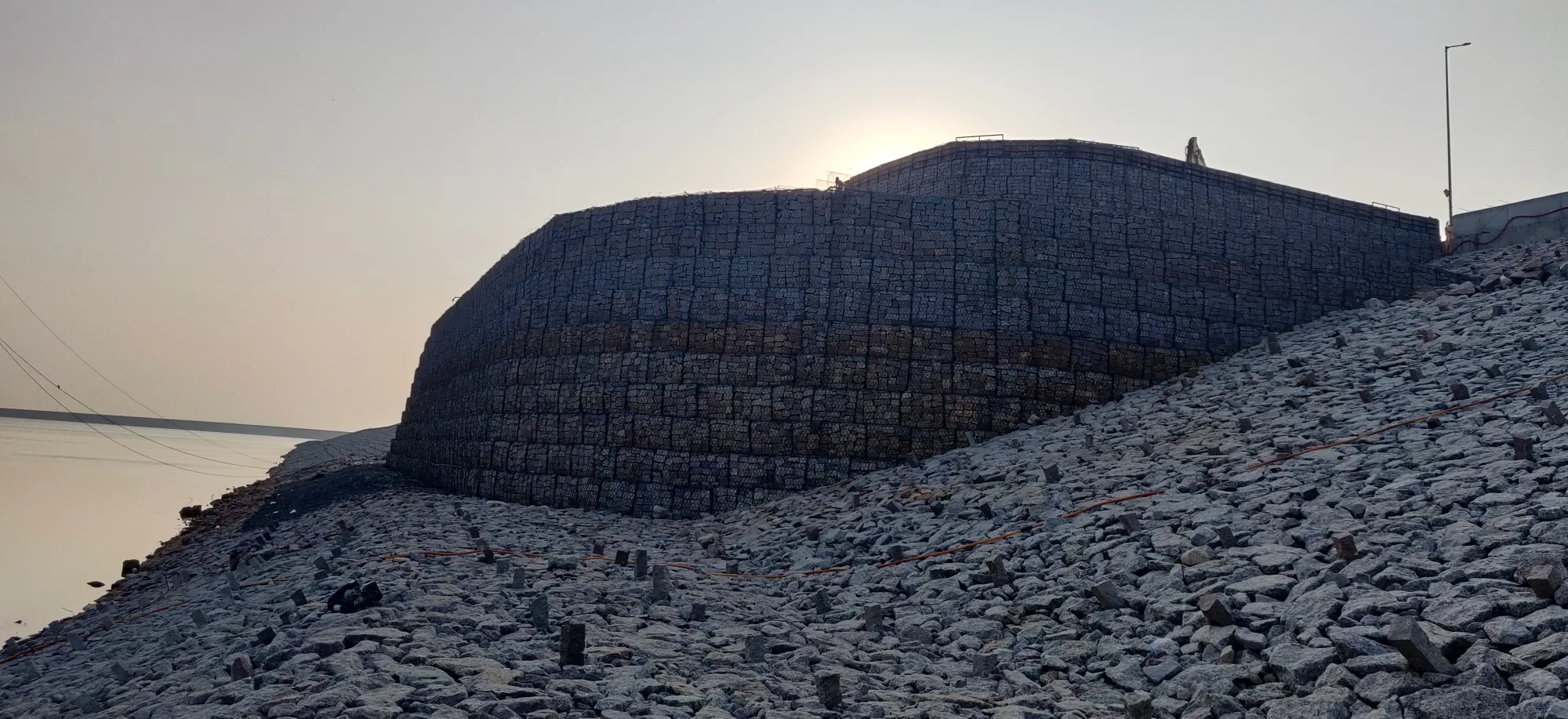
The TechFab Gabion Fascia Reinforced Soil Wall System uses high-quality, double-twisted, mechanically woven steel wire mesh baskets, with or without integrated tails. The baskets are filled with graded stones and combined with TechGrid, TechLink, or TechStrap geosynthetic reinforcement layers to create a stable, flexible, and permeable retaining structure.
Typical applications: Road embankments, railway corridors, hydraulic works, industrial projects, urban developments, hilly terrain, high-seismic zones, areas prone to significant settlement, mining projects, river training, and erosion protection works.
4. Wrap-Around Reinforced Soil Wall System
The Wrap-Around Reinforced Soil Wall System is constructed using high-strength TechGrid reinforcement layers wrapped around the wall face, together with geobags. This configuration creates a flexible, stable, and economical earth-retention system.
The system provides effective soil confinement, improved stability, and rapid construction. It is particularly suitable for temporary retaining structures and slope stabilization applications.
Typical applications: Road infrastructure, embankment support, industrial projects, temporary and permanent retaining walls, and urban development works.
5. TechFab Welded Wire Mesh Reinforced Soil Wall System
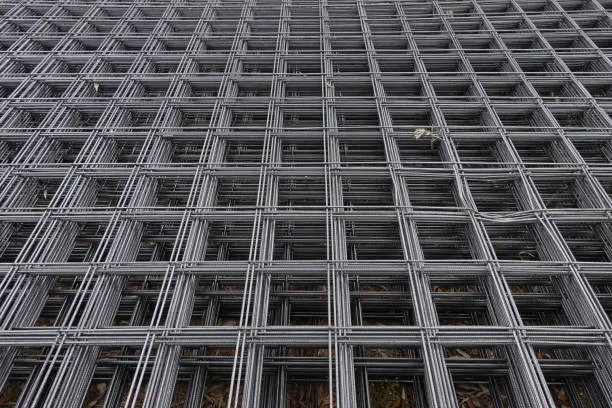
The TechFab Welded Wire Mesh Reinforced Soil Wall System combines welded wire mesh facing units with TechGrid or TechStrap reinforcement layers. It provides structural stability, flexibility, and effective drainage.
Typical applications: Highways, railway infrastructure, steep slope stabilization, high retaining walls, industrial developments, mining projects, and other earth-retention applications.
6. TechCell Geocell Fascia Reinforced Soil Wall System
The TechCell Geocell Fascia Reinforced Soil Wall System incorporates three-dimensional cellular confinement panels at the exposed wall face. These panels are integrated with high-strength TechGrid reinforcement layers installed within compacted engineered backfill to create a stable, flexible, and erosion-resistant retaining structure.
The geocell fascia confines the infill material, improves face stability, supports vegetation, and helps control surface erosion. Its flexible construction also accommodates differential settlement and deformation without significant structural distress.
Typical applications: Soil retention, green retaining walls, temporary works, and flexible earth-retention applications where adaptability, rapid construction, and erosion control are key requirements.
Reinforced Soil Wall systems are engineered earth-retention structures that combine selected granular backfill, high-strength reinforcement, and a suitable facing system. The interaction between the soil and reinforcement creates a stable composite mass capable of resisting lateral earth pressures, surcharge loads, differential settlement, and other external forces.
MSE stands for Mechanically Stabilized Earth. An MSE wall is a reinforced soil structure in which reinforcement elements are placed within compacted backfill to improve soil strength and create a stable retaining system.
Depending on the system, TechFab Reinforced Soil Wall systems may include:
Reinforcement layers are installed within compacted backfill at specified intervals. These layers interact with the soil through friction and interlocking, creating a stable reinforced mass. The facing system supports the exposed wall surface and helps maintain the required geometry.
When properly designed and constructed, Reinforced Soil Wall systems can resist lateral earth pressures, surcharge loads, external loading, differential settlement, and other project-specific forces. Design performance depends on factors such as wall geometry, soil properties, drainage, reinforcement type, loading conditions, seismic requirements, and foundation conditions.
Key advantages include:
Compared with conventional reinforced concrete retaining walls, Reinforced Soil Wall systems generally offer faster installation, reduced foundation and excavation requirements, greater flexibility, and improved tolerance to ground movement. They can also provide greater adaptability to different site geometries and may reduce overall project costs.
Yes. These systems can be adapted to challenging terrain, restricted sites, variable foundation conditions, steep slopes, embankments, and areas with settlement or seismic concerns. A project-specific geotechnical assessment is required to determine the appropriate system and design.
Yes. The flexible and modular nature of reinforced soil systems enables them to accommodate a degree of differential settlement and ground movement with less structural distress than many rigid retaining structures. The allowable movement depends on the design and site conditions.
They can be designed for projects in seismic environments. Their flexibility and ability to accommodate deformation can provide advantages under seismic loading. However, seismic design must be based on project-specific geotechnical investigations, loading conditions, and applicable design standards.
TechFab offers several facing configurations, including:
The appropriate option depends on structural requirements, drainage, appearance, environmental conditions, and construction constraints.
A drainage composite, such as TechDrain, helps collect and convey water through or behind the retaining structure. Effective drainage reduces water pressure behind the facing and supports the long-term stability and performance of the wall.
Engineered backfill provides the required strength, drainage, compaction, and interaction with the reinforcement. Its gradation, friction properties, moisture content, and compaction quality are essential to the performance of the reinforced soil structure.
These systems are used in a wide range of infrastructure and development projects, including:
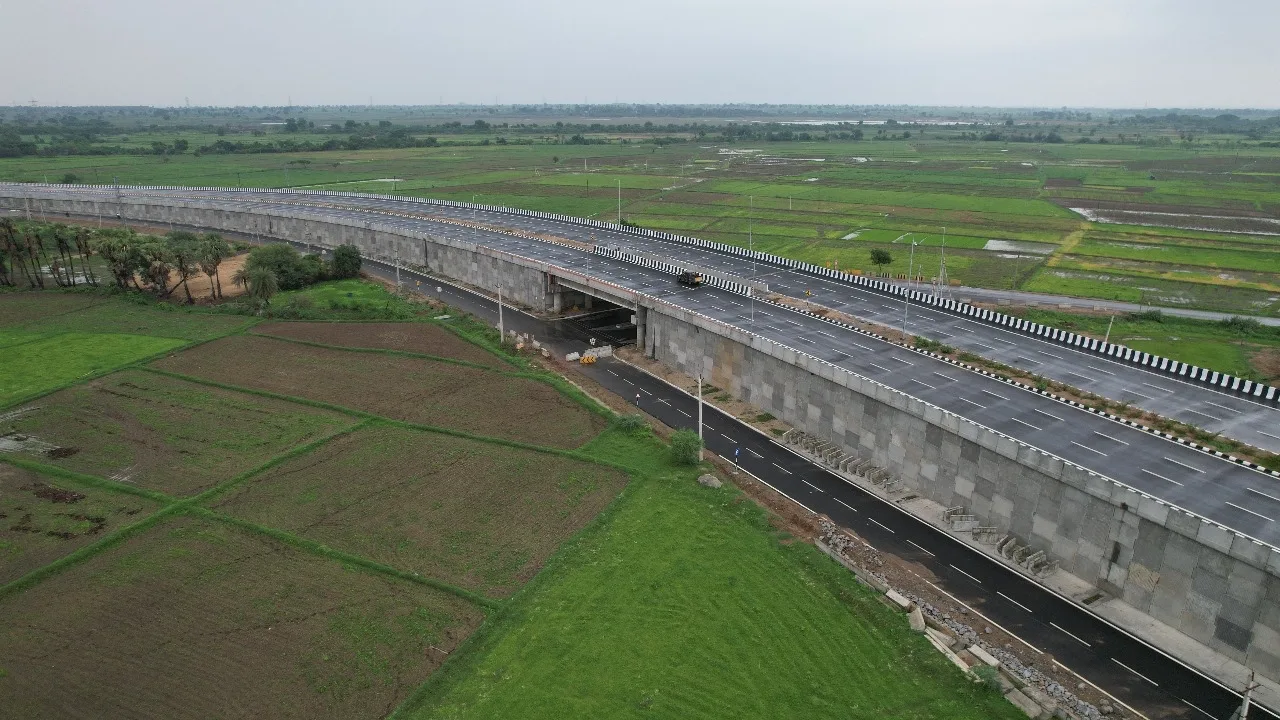
Yes. Reinforced Soil Wall systems can provide stable support for road and railway embankments, bridge approaches, flyovers, access roads, and other elevated infrastructure.
System selection depends on:
A detailed geotechnical and structural assessment should be completed before finalizing the system.
Yes. TechFab provides technical and engineering assistance, including system selection, preliminary assessments, detailed design support, construction guidance, product recommendations, and project-specific technical assistance.
Yes. The range of facing options allows the systems to meet both structural and architectural requirements. Segmental blocks, concrete panels, gabions, welded mesh, geocells, and vegetated facings can be selected according to the desired appearance and site context.
Many of the systems support efficient material use, reduced excavation, lower foundation demands, and vegetation-friendly applications. Gabion and geocell facings can also provide permeability, erosion control, and opportunities for natural vegetation.
Important design considerations include:
These systems are designed for long-term performance with relatively low maintenance requirements. Periodic inspections should nevertheless check the facing, drainage components, surface erosion, vegetation, joints, and surrounding ground conditions.
Useful project information includes:
TechFab’s systems are suitable for: