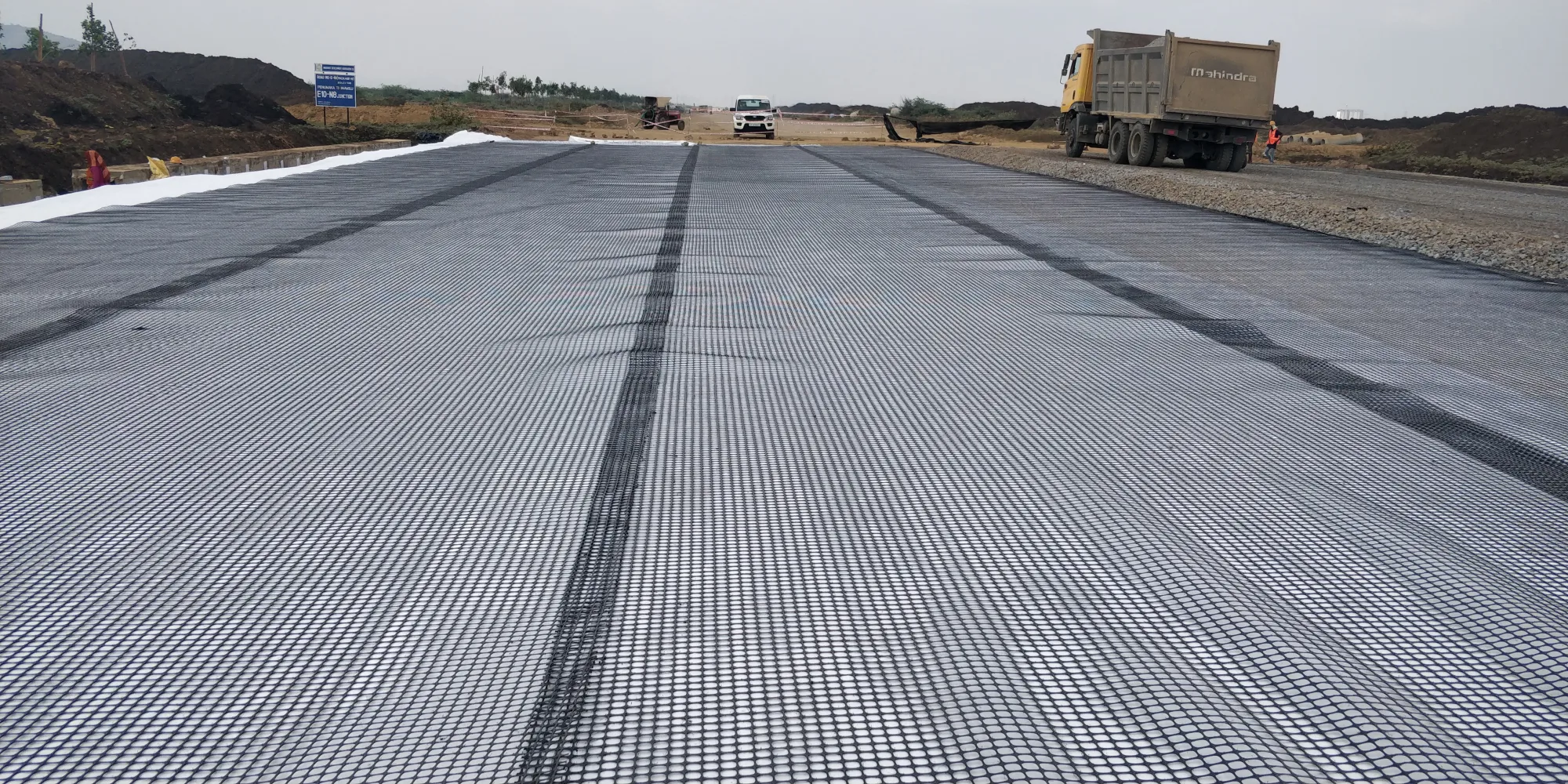
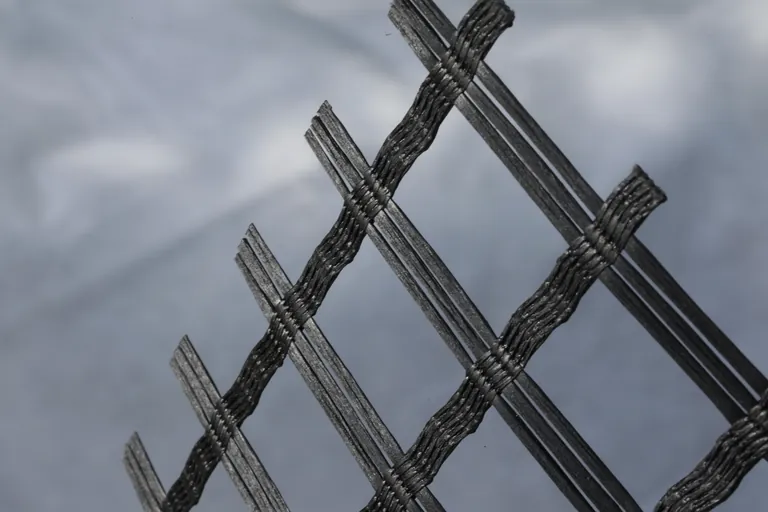
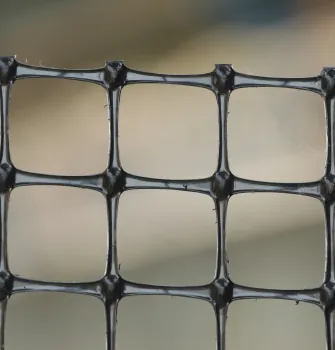
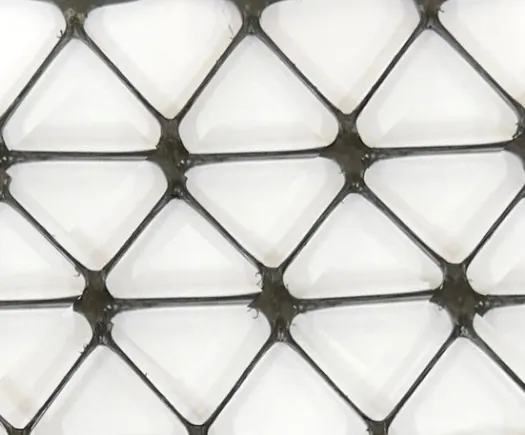
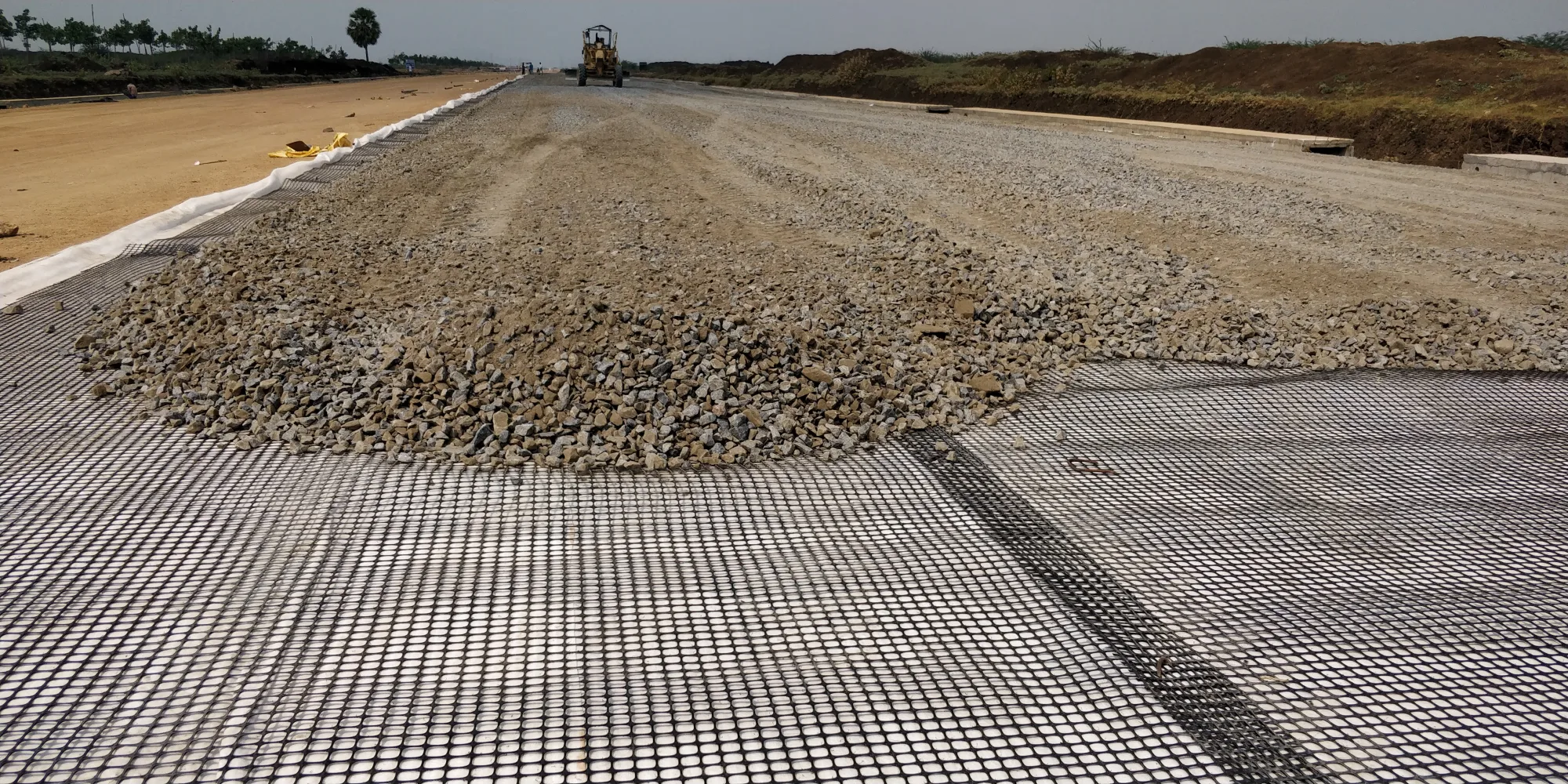
Geosynthetic subgrade stabilization improves the resilient modulus of weak foundation soils, helping extend pavement service life and optimize overall pavement thickness. By strengthening the subgrade and improving load distribution under repeated traffic loading, these systems enhance pavement performance, particularly over poor or variable ground conditions.
They are widely used to improve weak and low-CBR subgrades, increase resistance to rutting, distribute traffic loads more efficiently, and reduce differential settlement within pavement structures.
Overview
Success Stories
Products
Resources
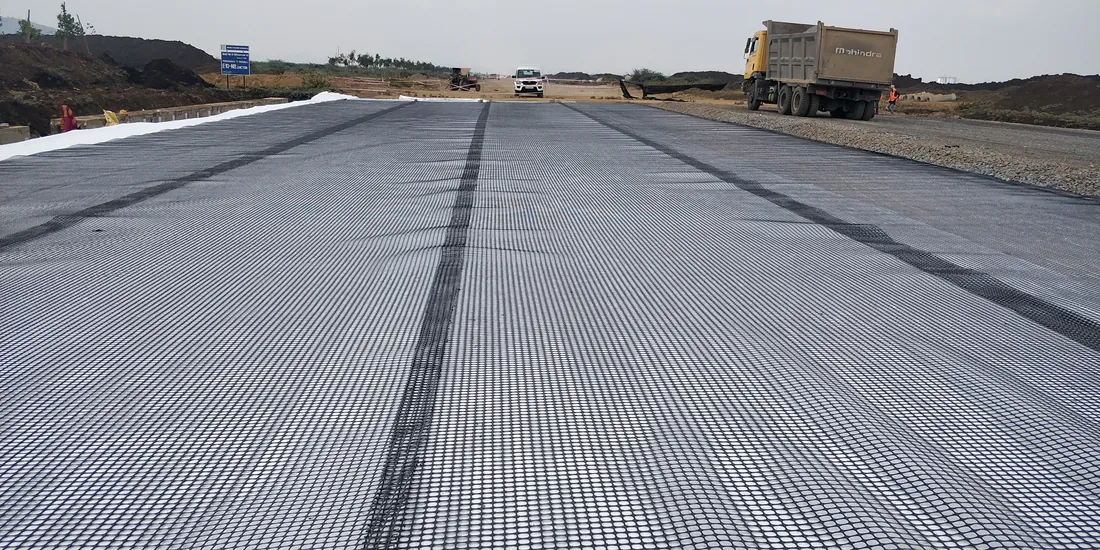
Subgrade stabilization is essential where naturally weak soils cannot adequately support pavement loads. By improving soil stiffness, confinement, and structural response, stabilization systems help reduce pavement distress and improve long-term performance.
TechFab provides engineered geosynthetic solutions that improve subgrade conditions without requiring extensive soil replacement. This enables faster, more economical, and resource-efficient construction over weak ground.
These systems are suitable for infrastructure projects involving soft soils, variable fill materials, low-CBR subgrades, and moisture-sensitive ground conditions where conventional construction methods may be less effective.
The result is improved interaction between the soil and pavement layers, enhanced structural stability, better resistance to traffic-induced deformation, and increased durability of road infrastructure.
Subgrade stabilization is the process of improving the strength, stiffness, confinement, and load-bearing capacity of weak soil beneath a pavement. Geosynthetic materials are used to improve the interaction between the soil and pavement layers.
Subgrade stabilization is required when natural soil cannot adequately support pavement loads. It helps reduce pavement distress, control deformation, improve load distribution, and enhance long-term pavement performance.
These systems are suitable for:
Geosynthetics reinforce and confine the soil, improve load distribution, and reduce lateral movement under repeated traffic loading. This increases the effective structural response of the subgrade and helps support pavement layers more efficiently.
Resilient modulus is a measure of a soil’s ability to recover after repeated loading. Improving the resilient modulus of the subgrade helps the pavement withstand repeated traffic stresses and reduces deformation over time.
The key benefits include:
Yes. Geosynthetic stabilization can improve the effective load-bearing performance of weak subgrades and may result in an improved design CBR, depending on the soil, reinforcement, drainage, and project conditions.
The reinforcement helps confine the soil and distribute traffic loads over a wider area. This reduces lateral spreading and repeated deformation, thereby improving resistance to rutting.
By improving the stiffness and load distribution of weak soil layers, stabilization helps reduce uneven deformation beneath the pavement. The system can also bridge localized weak zones and moderate variations in ground support.
Yes. Improved subgrade performance and load distribution may allow the pavement structure to be optimized and, in some cases, reduce the required thickness of aggregate layers. The final thickness must be established through project-specific pavement design.
Not always. Geosynthetic stabilization can reduce or avoid extensive soil replacement in suitable conditions, but the need for excavation or replacement depends on soil properties, groundwater, settlement risk, loading, and design requirements.
They are commonly used for:
TechFab’s related products include:
Yes. These systems are widely used for low-CBR and weak subgrades. They improve load distribution and reduce deformation, helping create a more stable foundation for pavement construction.
Yes. Subgrade stabilization can improve performance over moisture-sensitive soils, particularly when combined with suitable drainage and separation measures. Water management remains an important part of the overall pavement design.
Yes. By improving subgrade support, reducing rutting, limiting deformation, and distributing traffic stresses more effectively, stabilization can contribute to longer pavement service life.
Improved structural stability and reduced deformation can help lower the frequency and extent of pavement maintenance. Actual maintenance savings depend on design quality, construction, traffic, drainage, and environmental conditions.
In suitable applications, geosynthetic stabilization can be more economical than extensive excavation and replacement. It can reduce material quantities, construction time, disposal requirements, and project disruption.
Important factors include:
Yes. Proper placement and compaction of the soil and aggregate layers are essential for achieving the intended reinforcement and load-distribution benefits. Construction quality has a direct impact on system performance.
Yes. Geosynthetic subgrade stabilization systems can be designed for heavy traffic applications, including highways, industrial logistics pavements, mining roads, and heavy haul routes.
Yes. They can be used for airport pavements and associated infrastructure where subgrade uniformity, load-bearing performance, settlement control, and durability are important.
Yes. Stabilization can reduce the need for soil excavation, aggregate consumption, material transportation, and disposal. These benefits can reduce project impacts while supporting more efficient and durable pavement construction.
TechFab can support projects through product selection, stabilization system evaluation, design assistance, material recommendations, construction guidance, and project-specific technical coordination.