Pavements

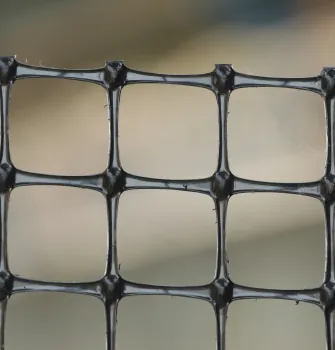
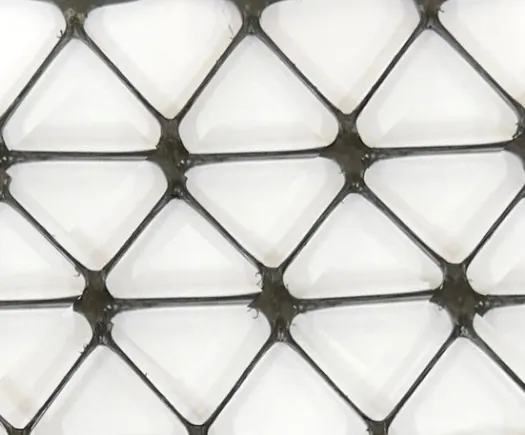
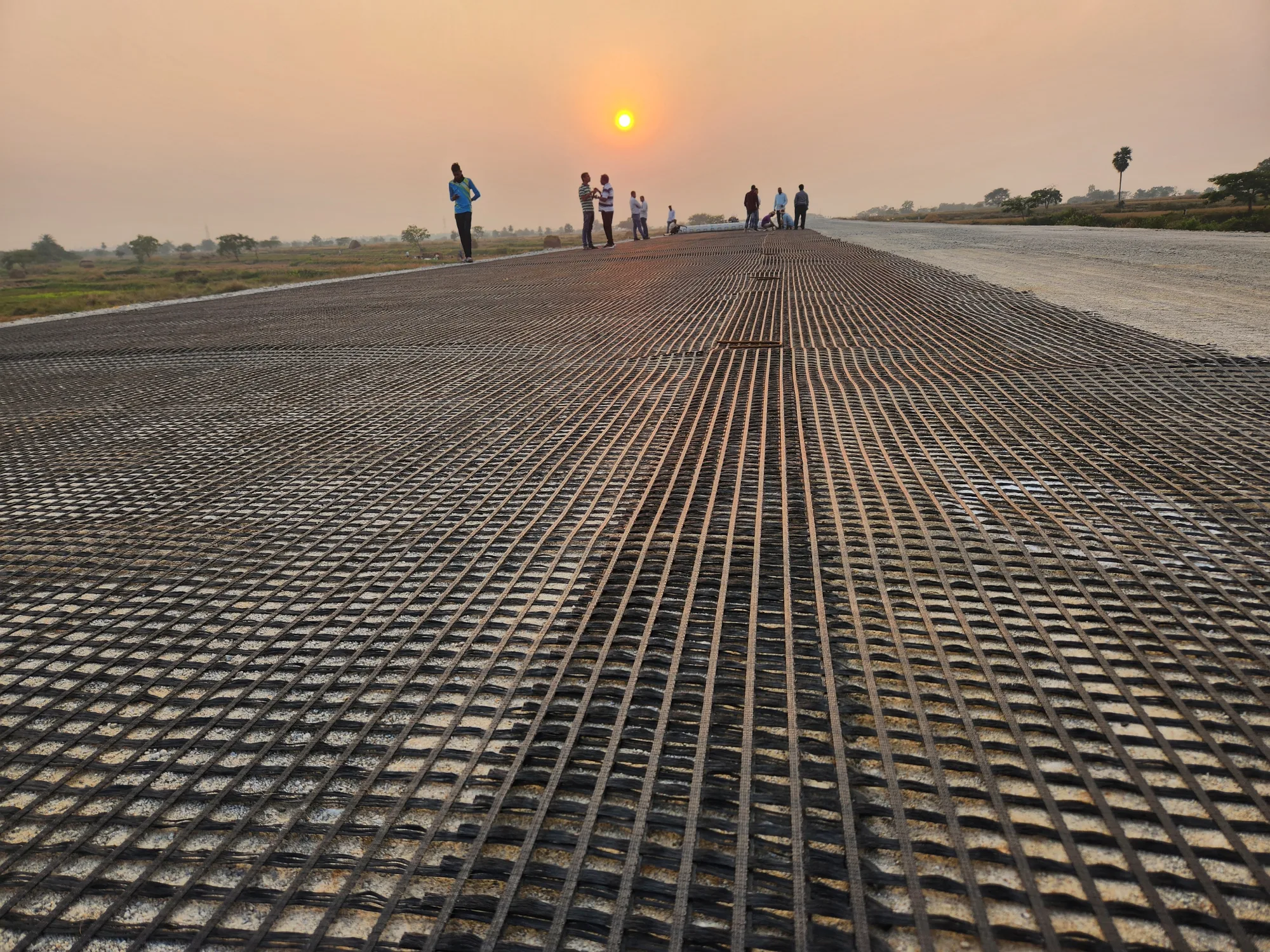
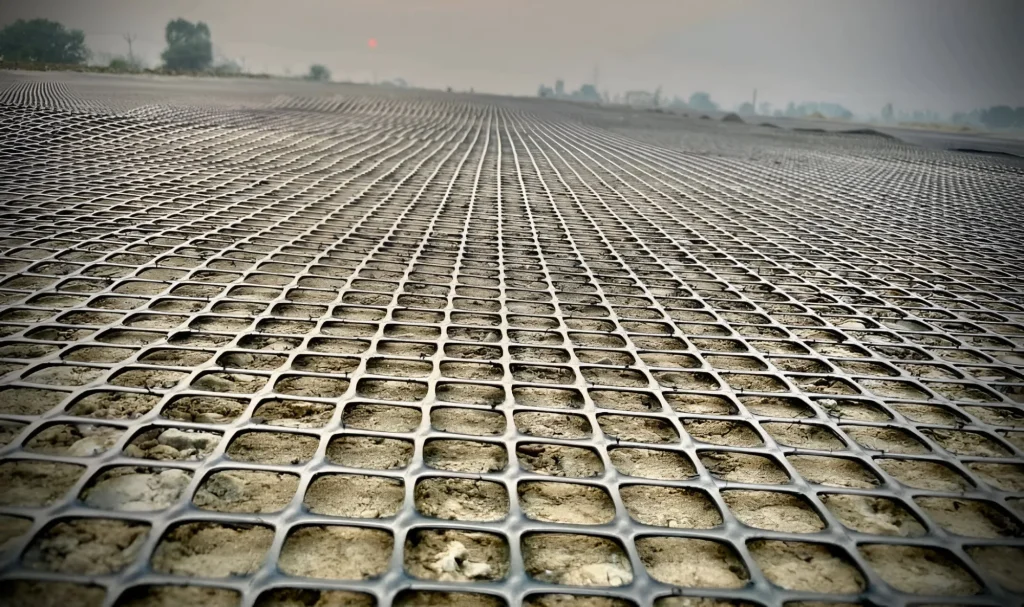
Engineered pavement reinforcement solutions that enhance structural integrity and improve the long-term performance of road networks. By strengthening weak subgrades and optimizing load transfer mechanisms, these systems help pavements withstand repeated traffic loading and challenging ground conditions.

Designed for use in highways, expressways, rural roads, industrial logistics corridors, and heavy-duty operational surfaces where performance and durability are critical.

Pavement Stabilization - Full Width Banner

Overview

Available Systems

Success Stories

Products

Pavement Stabilization Overview

Overview

Pavement stabilization plays a critical role in enhancing the strength, performance, and service life of road infrastructure under varying traffic and environmental conditions. The integration of advanced geosynthetic materials and engineering techniques helps improve load distribution, reduce deformation, and control subgrade failures.

TechFab offers innovative pavement stabilization solutions designed to improve subgrade strength, minimize maintenance requirements, and extend pavement durability.

These systems are suitable for highways, rural roads, industrial yards, and heavy-duty pavements.

Our engineering expertise ensures optimized design support, material selection, and construction guidance, delivering cost-effective and sustainable solutions for long-term pavement performance and infrastructure reliability.

Pavement Stabilization Solutions

01

Subgrade Stabilization

Subgrade Stabilization

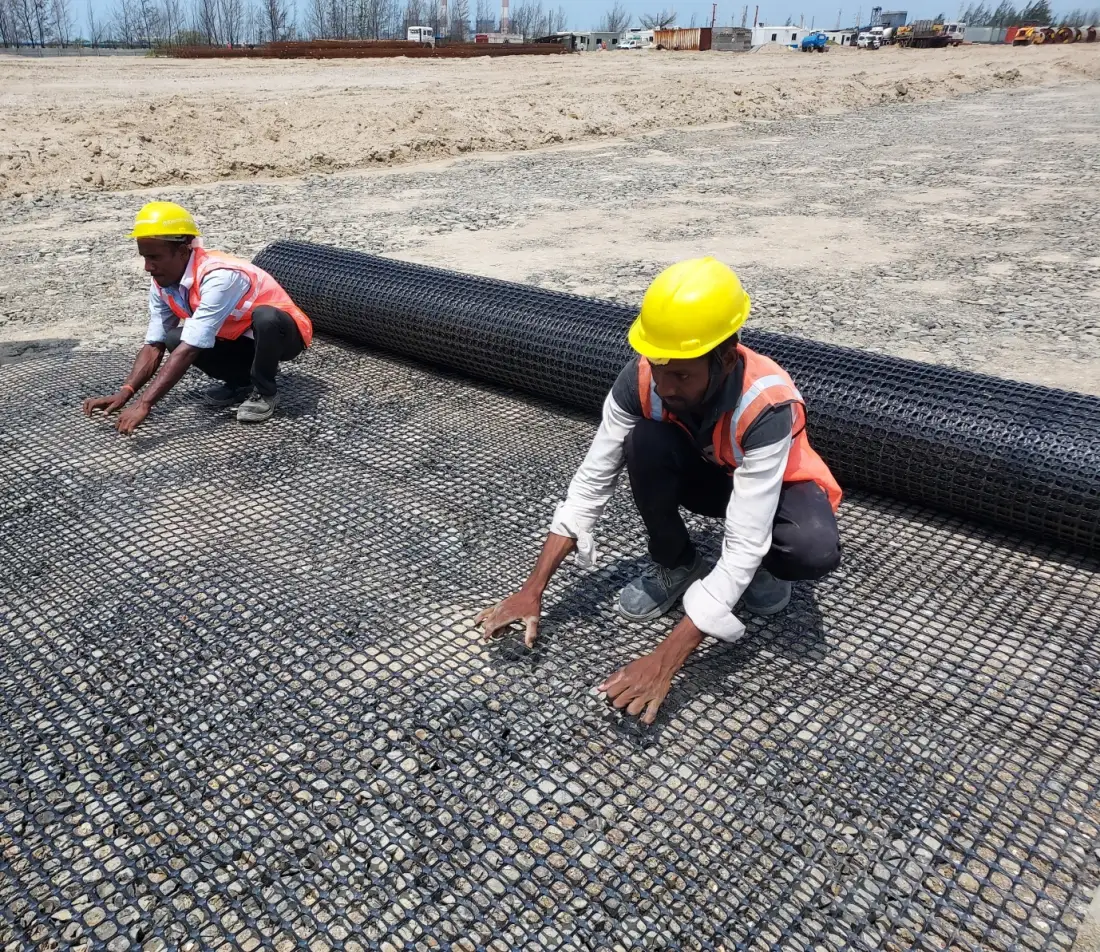
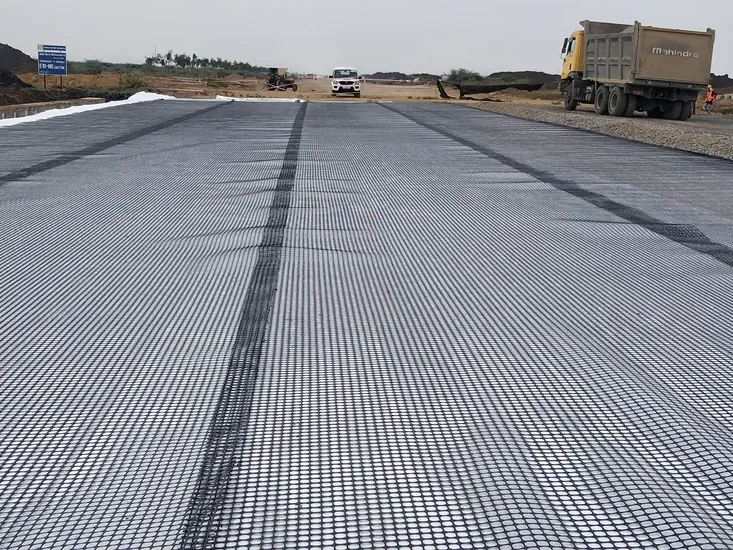
Subgrade Stabilization using geosynthetics enhances the resilient modulus of weak soil layers, resulting in improved pavement performance and extended service life. By reinforcing the foundation layer, it helps optimize pavement thickness while ensuring better load distribution under traffic stresses. This solution is widely used for improving low CBR subgrades, increasing rutting resistance, and minimizing differential settlements in road structures. It enables significant material savings while improving durability and structural efficiency of pavements, delivering benefits such as 30–50% reduction in aggregate thickness, extended pavement service life, lower maintenance requirements, and reduced carbon emissions through optimized construction materials.

Applications

  • Low CBR Subgrade Improvement
  • Rutting Resistance
  • Differential Settlement Control
  • Optimized Pavement Thickness

Key Benefits

  • 30–50% reduction in aggregate thickness
  • Extended pavement service life
  • Lower maintenance requirements
  • Reduced carbon emissions through optimized materials
Know More

02

Reinforcement of Granular Base & Subbase

Reinforcement of Granular Base & Subbase

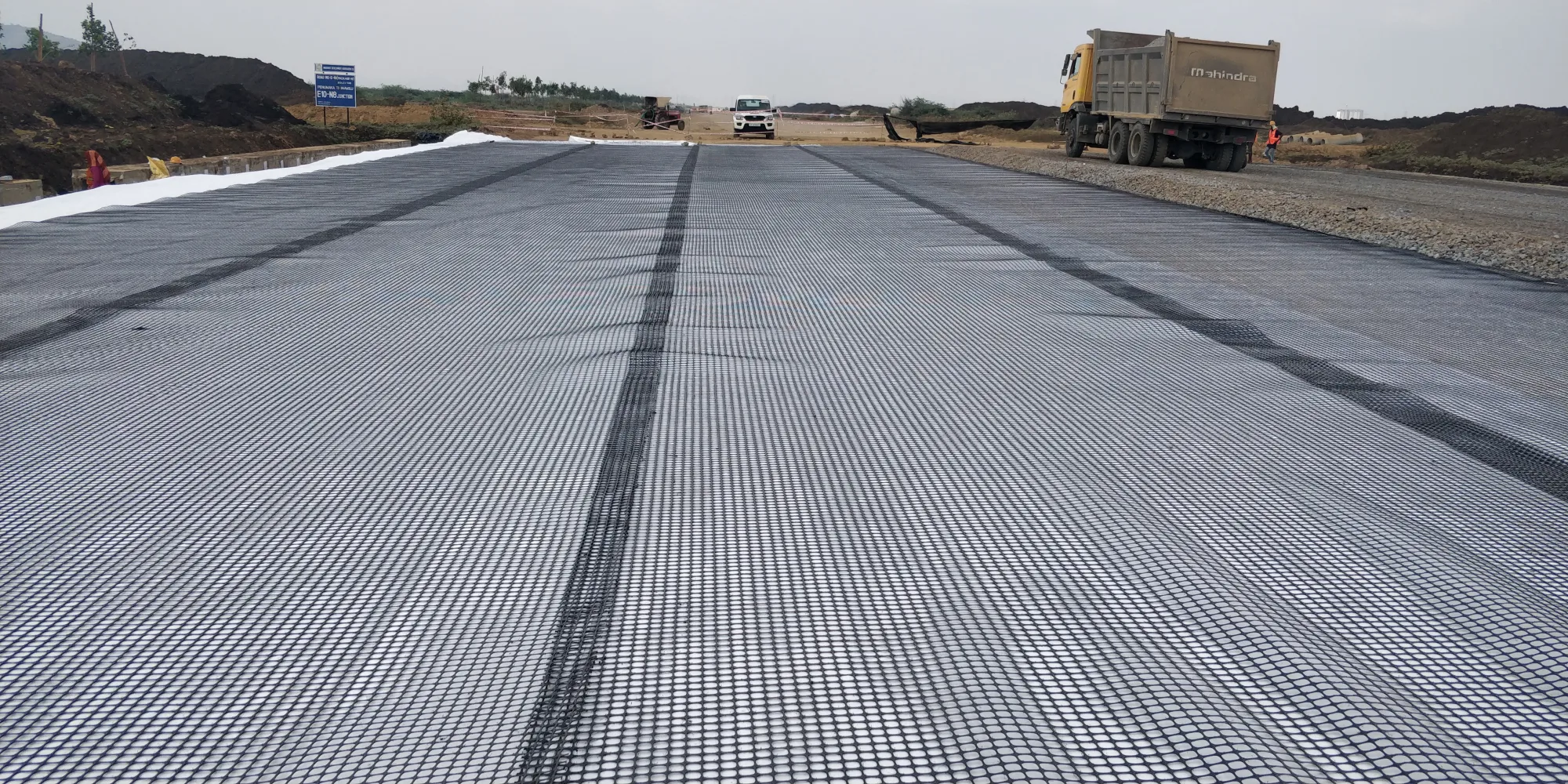
Reinforcement of granular base and subbase layers using geosynthetics improves the resilient modulus and structural integrity of pavement systems. It enhances load distribution, reduces deformation, and optimizes overall pavement thickness requirements, ensuring better performance under heavy traffic conditions. This technique enables effective utilization of marginal aggregates while improving stability and resistance against shear failure and differential settlements. It contributes to longer pavement life, improved serviceability, and more efficient construction practices by reducing material consumption and maintenance needs, ultimately supporting cost-effective and sustainable road infrastructure development.

Applications

  • Granular Layer Reinforcement
  • Marginal Aggregate Utilization
  • Shear Failure Resistance
  • Differential Settlement Control

Key Benefits

  • Longer pavement life
  • Improved serviceability
  • Reduced material consumption
  • More efficient construction practices
Know More

03

Bituminous Pavements and Overlays

Bituminous Pavements and Overlays

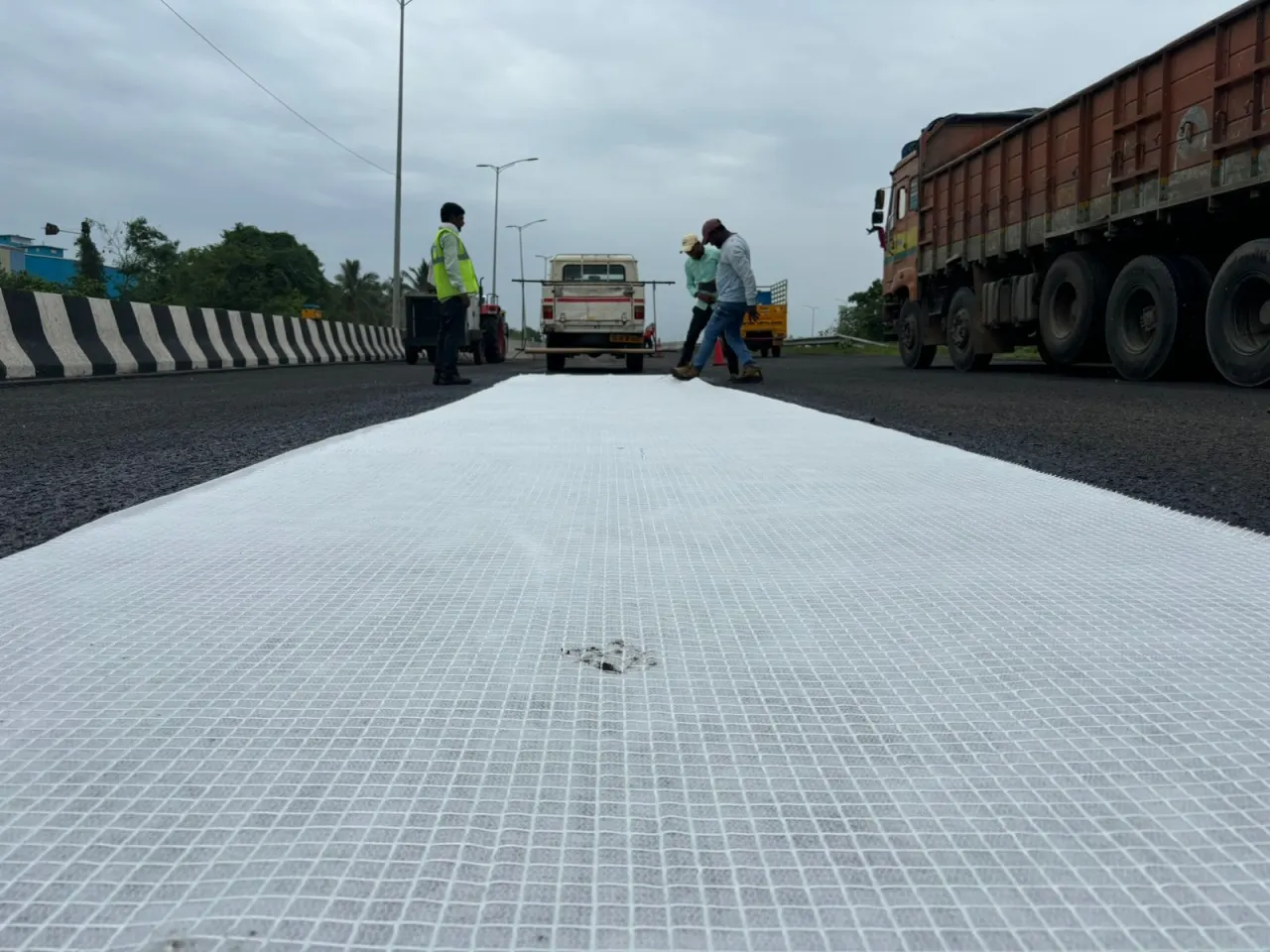
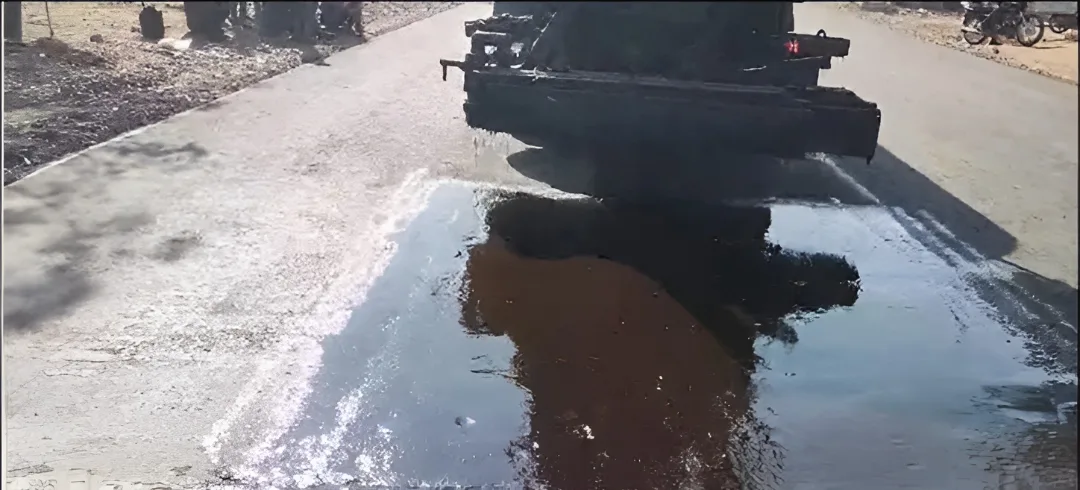
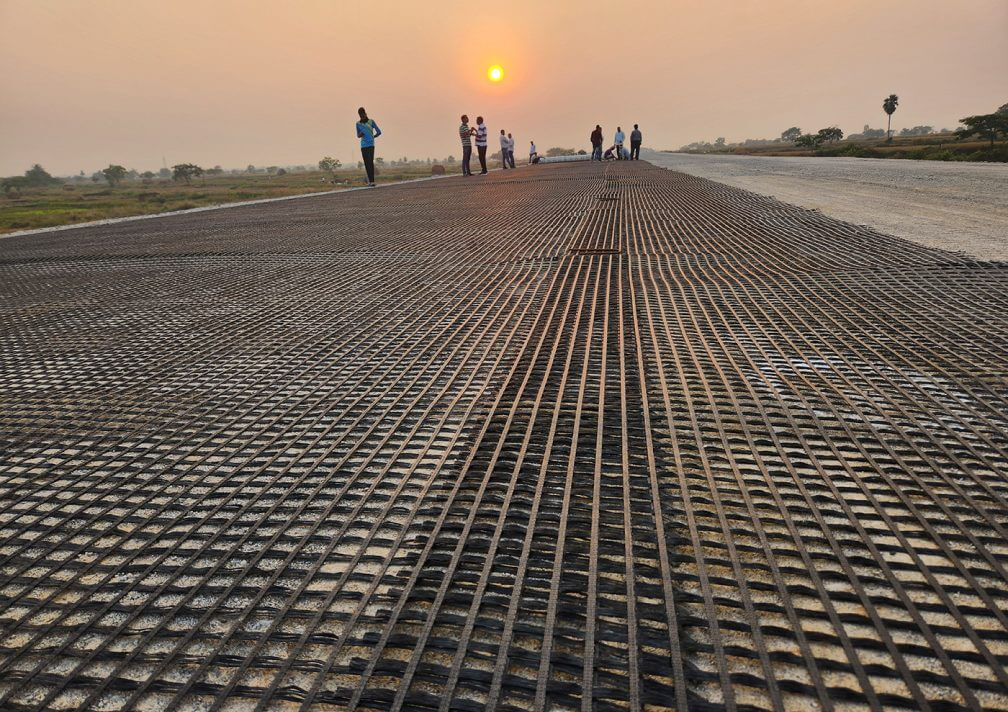
Bituminous pavements and overlays reinforced with geosynthetics improve the structural performance and durability of road surfaces by controlling reflective cracking and enhancing resistance to fatigue damage. These systems act as an effective barrier against moisture ingress, preventing weakening of underlying pavement layers and slowing overall deterioration. By distributing stresses more efficiently within the asphalt layer, they extend the service life of overlays and improve long-term performance under repeated traffic loading. This solution reduces maintenance frequency and supports cost-effective rehabilitation of existing pavement infrastructure.
Applications

  • Reflective Crack Control
  • Overlay Reinforcement
  • Moisture Barrier Protection
  • Fatigue Damage Resistance

Key Benefits

  • Extended overlay service life
  • Improved long-term performance under traffic loading
  • Reduced maintenance frequency
  • Cost-effective pavement rehabilitation
Know More

Available Pavement Stabilization Systems

Frequently Asked Questions
(FAQs)

Pavement stabilization is the use of engineered materials and geosynthetic systems to improve the strength, load distribution, drainage, and durability of pavement structures. These solutions help roads withstand repeated traffic loading, weak subgrades, moisture, and challenging ground conditions.

Pavement stabilization helps improve structural performance, reduce deformation, control subgrade failures, and extend pavement service life. It can also reduce maintenance requirements and optimize the use of construction materials.

TechFab pavement stabilization systems are suitable for:

  • Highways and expressways.
  • Rural roads.
  • Industrial logistics corridors.
  • Industrial yards.
  • Heavy-duty pavements.
  • Haul roads.
  • Airport runways.
  • Railway tracks.
  • Pavement rehabilitation projects.
  • Working platforms and embankments.

Yes. Optimized pavement design and efficient material usage can enable potential reductions of up to 25% in overall project costs. Actual savings depend on site conditions, pavement design, material availability, traffic loading, and construction requirements.

Key benefits include:

  • Improved subgrade and pavement strength.
  • Better distribution of traffic loads.
  • Reduced rutting and deformation.
  • Improved resistance to differential settlement.
  • Reduced pavement thickness requirements.
  • Lower aggregate consumption.
  • Improved moisture management.
  • Reduced maintenance needs.
  • Extended pavement service life.
  • More sustainable construction.

Subgrade stabilization improves the performance of weak soil layers beneath the pavement. Geosynthetic reinforcement enhances the resilient modulus of the subgrade, improves load distribution, and reduces deformation under traffic stresses.

Subgrade stabilization is particularly useful for:

  • Low-CBR soils.
  • Weak or soft subgrades.
  • Rutting-prone areas.
  • Sites susceptible to differential settlement.
  • Areas with variable soil conditions.
  • Projects where aggregate thickness needs to be optimized.

In suitable applications, geosynthetic subgrade stabilization can reduce aggregate thickness by approximately 30–50%. The final reduction should be determined through project-specific pavement design and engineering analysis.

Geosynthetics interact with the soil and aggregate layers to improve confinement, tensile resistance, and load distribution. This helps reduce lateral movement, rutting, shear failure, and deformation under repeated traffic loading.

Granular base and subbase reinforcement involves incorporating geosynthetic materials within or beneath aggregate layers. The reinforcement improves aggregate interlock, load distribution, structural integrity, and resistance to deformation.

Benefits include:

  • Increased resilient modulus.
  • Improved load-bearing performance.
  • Reduced pavement deformation.
  • Better resistance to shear failure.
  • Reduced differential settlement.
  • Optimized pavement thickness.
  • More efficient use of marginal aggregates.
  • Reduced material consumption and maintenance.

Yes. Geosynthetic reinforcement can improve the performance of suitable marginal aggregates by enhancing confinement, load distribution, and resistance to shear failure. The aggregates must still satisfy the relevant project requirements.

These systems use geosynthetic interlayers within or beneath asphalt overlays to improve structural performance. They help control reflective cracking, improve fatigue resistance, distribute stresses, and limit moisture penetration.

The reinforcement layer helps distribute tensile stresses and reduce the transfer of cracks from an existing pavement into a new asphalt overlay. This can slow crack propagation and extend the service life of the rehabilitated pavement.

Yes. Geosynthetic reinforcement helps distribute stresses more evenly within the asphalt layer, improving resistance to repeated traffic loading and fatigue-related deterioration.

Subsurface drainage systems collect and remove excess water from pavement structures. They help prevent moisture accumulation, reduce pore-water pressure, and protect the subgrade from weakening under saturated conditions.

Water can reduce soil strength, increase pore-water pressure, cause deformation, and accelerate pavement deterioration. Effective drainage helps preserve structural stability, reduce moisture-related damage, and extend pavement service life.

TechFab geosynthetic drainage systems can be used in:

  • Pavement drainage layers.
  • Highway edge drains.
  • French drains.
  • Capillary cut-off systems.
  • Subsurface drainage applications.
  • Drainage behind retaining structures.
  • Water-management layers beneath roads and industrial yards.

TechCell forms a cellular structure that provides lateral confinement to the infill material. This confinement improves load distribution, limits lateral spreading, reduces deformation, and increases the performance of the stabilized layer.

Yes. Different systems can be combined to address multiple pavement requirements. For example, a project may use TechGeo for separation, TechGrid for reinforcement, TechCell for subgrade confinement, and TechDrain for subsurface water management.

Yes. By improving load distribution, strengthening weak layers, reducing deformation, controlling cracking, and managing moisture, pavement stabilization systems can contribute to longer pavement service life.

Yes. Improved structural strength, better drainage, reduced rutting, and improved crack control can reduce the frequency and extent of maintenance. Actual maintenance savings depend on the design, materials, construction quality, traffic, and environmental conditions.

They can support sustainable construction by reducing aggregate requirements, optimizing pavement thickness, minimizing excavation, extending pavement life, and lowering maintenance needs. Reduced material usage may also help lower construction-related carbon emissions.

The related product range includes:

  • TechGrid PET Biaxial Geogrid.
  • TechGrid PP Biaxial Geogrid.
  • TechGrid PP Triaxial Geogrid.
  • TechCell Geocell.
  • TechGeo Nonwoven Geotextile.
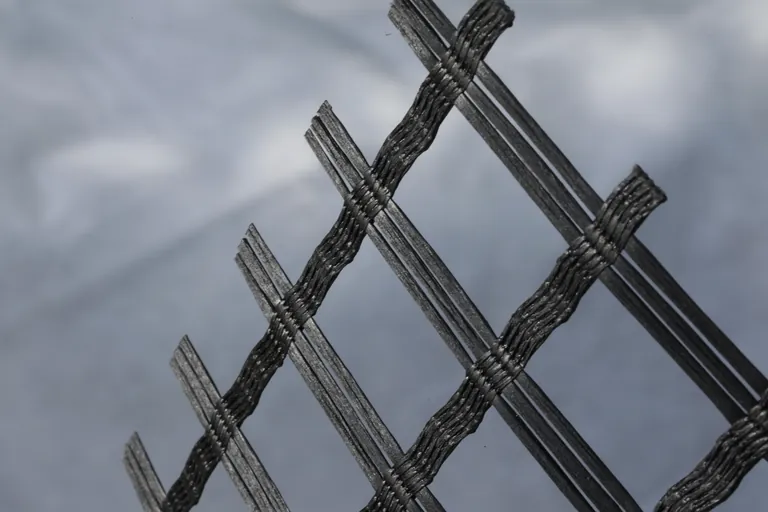
  • TechGlass Grid TGG.
  • TechGlass Grid Composite.
  • TechGlass AIC.
  • TechDrain Drainage Composite.

Important project information includes:

  • Existing subgrade and soil properties.
  • CBR or resilient modulus values.
  • Traffic volume and axle loading.
  • Pavement type and thickness.
  • Groundwater and drainage conditions.
  • Aggregate availability and quality.
  • Rutting and settlement risks.
  • Environmental and climatic conditions.
  • Construction access and schedule.
  • Required design life.

Yes. TechFab provides end-to-end support, including engineering design assistance, system selection, product recommendations, material optimization, construction guidance, and on-site implementation support.

Yes. TechFab pavement stabilization systems are suitable for highways, expressways, industrial logistics corridors, haul roads, industrial yards, airport runways, railway tracks, and other surfaces exposed to heavy or repeated loading.

Performance depends on:

  • Correct system selection.
  • Soil and aggregate properties.
  • Reinforcement strength and placement.
  • Pavement thickness and design.
  • Drainage provisions.
  • Compaction quality.
  • Construction sequencing.
  • Traffic loading.
  • Environmental exposure.
  • Maintenance practices.