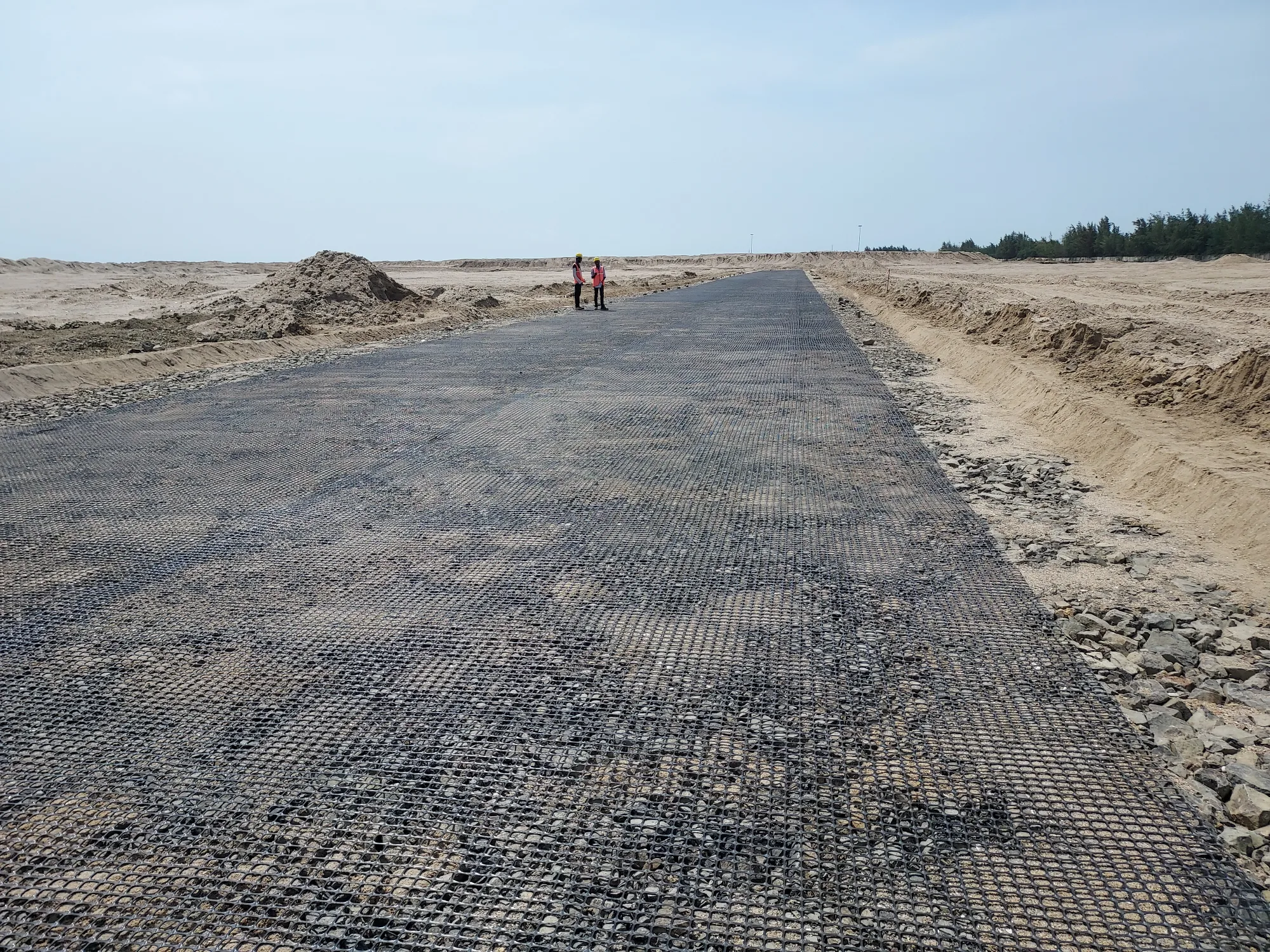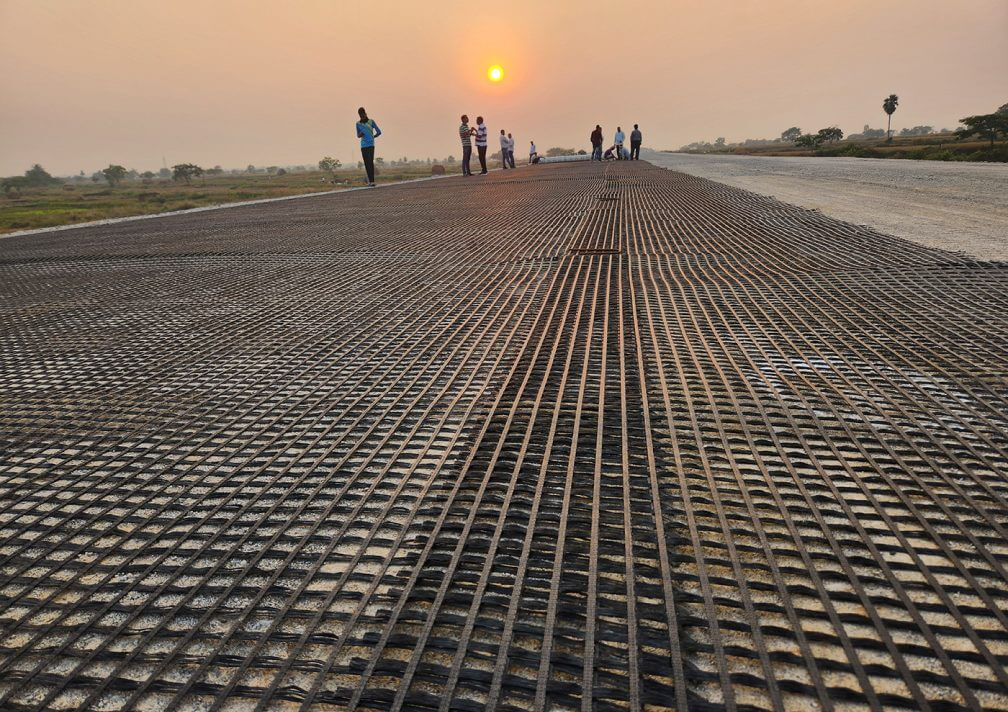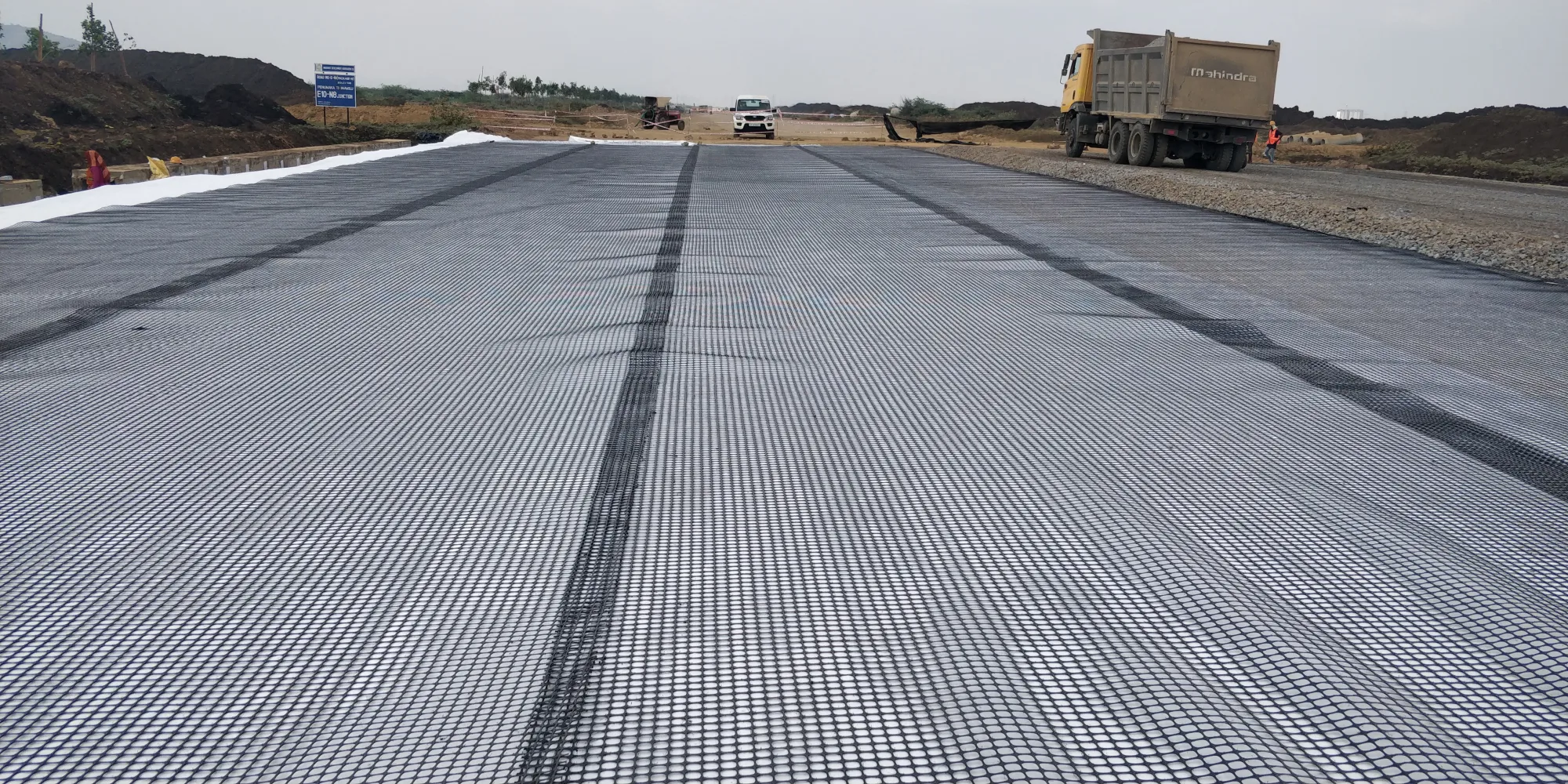
Geosynthetic reinforcement stabilizes granular base and subbase layers by improving their resilient modulus and optimizing the overall thickness of pavement structures. These systems enhance aggregate confinement and improve load-transfer efficiency, resulting in better structural performance and long-term pavement durability under varying traffic loads and ground conditions.
They are widely used to optimize pavement thickness, extend service life, support the use of suitable marginal aggregates, control differential settlement, and improve resistance to shear failure and deformation.
Overview
Success Stories
Products
Resources
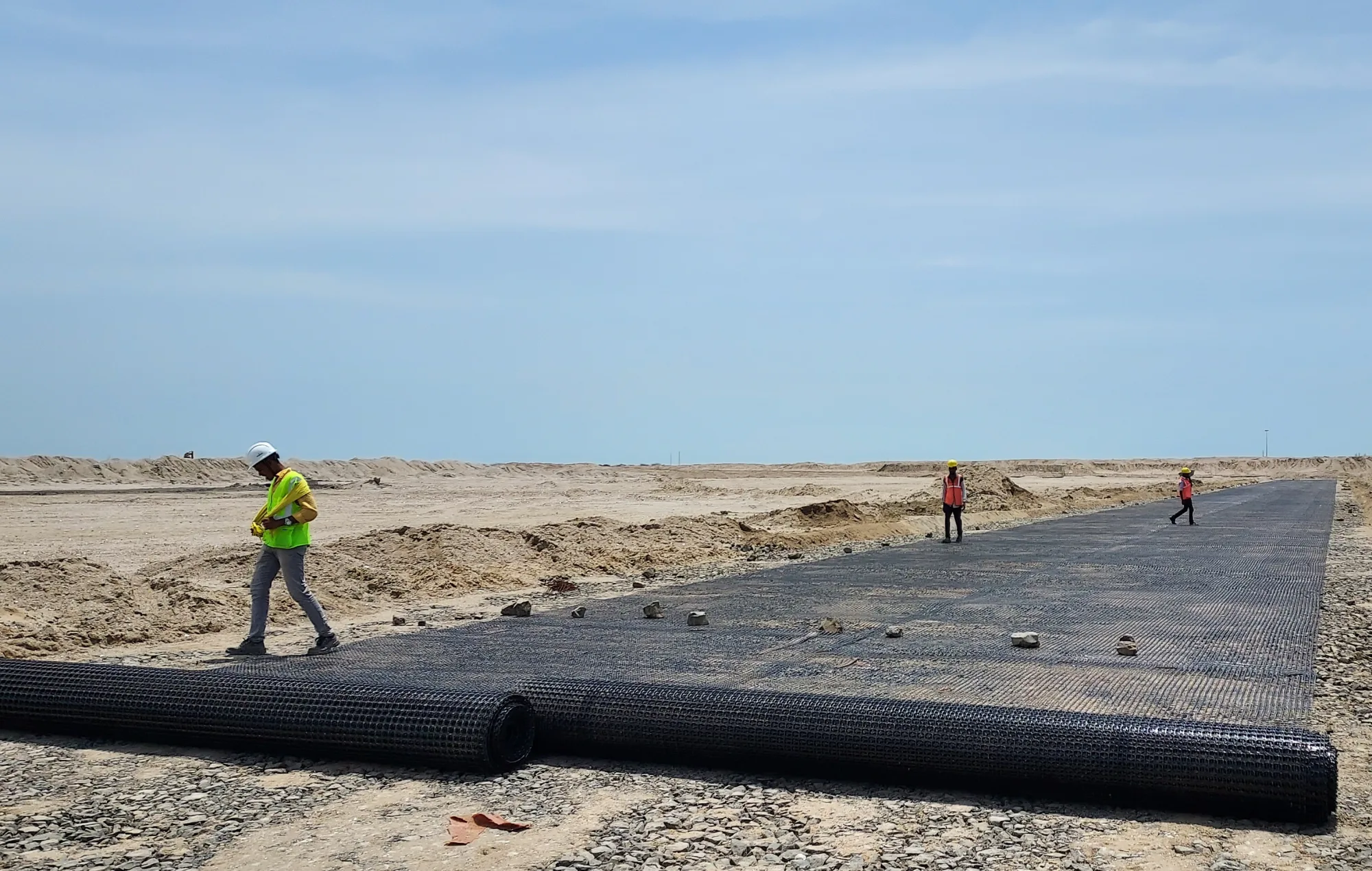
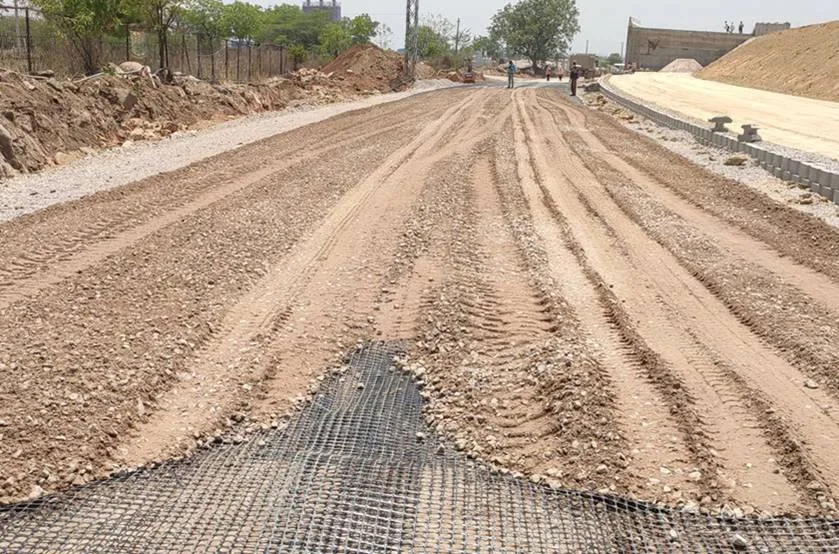
Granular base and subbase layers are essential for distributing traffic loads and maintaining the structural integrity of pavement systems. Reinforcing these layers with geosynthetics improves aggregate interlock, increases stiffness, and limits deformation under repeated loading.
TechFab provides advanced geosynthetic solutions that strengthen granular pavement layers, improve load distribution, and help optimize pavement design. These systems support more efficient use of construction materials while enhancing pavement performance and service life.
Widely used in highways, industrial and logistics pavements, airport infrastructure, mining roads, and heavy-duty transportation corridors, these solutions contribute to cost efficiency, reduced maintenance requirements, and more sustainable infrastructure development.
Granular base and subbase reinforcement is the use of geosynthetic materials to improve the strength, stiffness, confinement, and load-transfer performance of aggregate pavement layers. It helps create a more stable pavement structure under repeated traffic loading.
These layers distribute traffic loads from the pavement surface to the subgrade. They also provide structural support and help maintain pavement integrity. Reinforcing them improves their performance under heavy traffic and variable ground conditions.
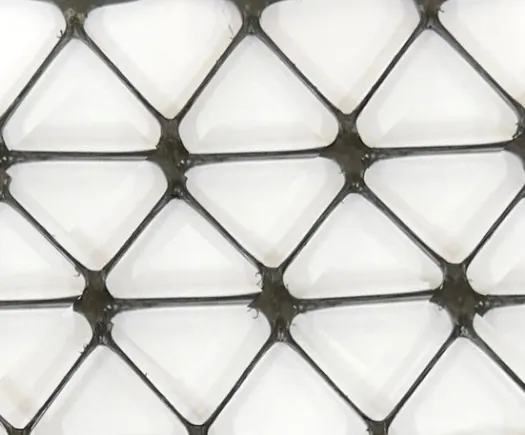
Geosynthetics interact with aggregate particles through interlocking, friction, and confinement. This improves load distribution, increases stiffness, reduces lateral movement, and limits deformation under repeated loading.
Resilient modulus is a measure of how well a pavement material withstands repeated loading and recovers after each load cycle. Improving the resilient modulus of granular layers helps enhance pavement performance and durability.
Key benefits include:
Yes. Improved aggregate confinement and load distribution may allow the overall pavement thickness to be optimized and, in some cases, reduced. The final thickness must be determined through project-specific pavement design.
Yes. By reducing deformation, improving structural integrity, and distributing traffic loads more efficiently, geosynthetic reinforcement can contribute to longer pavement service life.
Suitable marginal aggregates may be used when reinforcement improves confinement and load distribution. However, the aggregate must meet the project’s engineering, durability, drainage, and construction requirements.
Geosynthetics help distribute loads across weak or variable areas and reduce localized deformation. This can help limit uneven settlement within the pavement structure.
The reinforcement provides tensile resistance and improves aggregate interlock. This helps control lateral movement and increases resistance to shear failure and deformation.
The base course is generally closer to the pavement surface and carries a significant portion of traffic-induced stresses. The subbase lies beneath the base and provides additional structural support, load distribution, drainage, and separation. Both layers can be reinforced according to project requirements.
Typical applications include:
TechFab’s related products include:
Yes. These systems are suitable for heavy-duty pavements when appropriately designed for traffic volume, axle loads, subgrade conditions, drainage, and required service life.
Yes. Reinforced granular base and subbase systems can be used in airport infrastructure where high load-bearing capacity, deformation control, and long-term durability are required.
Yes. Geosynthetic reinforcement can improve the performance of mining roads and heavy haul routes by enhancing aggregate confinement, reducing deformation, and improving load distribution under high and repeated axle loads.
Reinforced granular layers can help industrial and logistics pavements withstand heavy vehicle movements, concentrated loading, frequent trafficking, and variable ground conditions. They may also reduce aggregate requirements and maintenance needs.
Reinforcement can reduce aggregate consumption, support the use of suitable marginal materials, minimize construction thickness, extend pavement life, and lower maintenance requirements. These benefits can reduce material transportation, resource use, and overall environmental impact.
Selection depends on:
Yes. Proper placement and compaction of the aggregate layers are essential to achieve effective interlock, confinement, and load transfer. Construction quality directly affects the performance of the reinforced pavement.
TechFab can provide technical assistance for product selection, pavement reinforcement design, material recommendations, construction guidance, and project-specific coordination.